
 Save
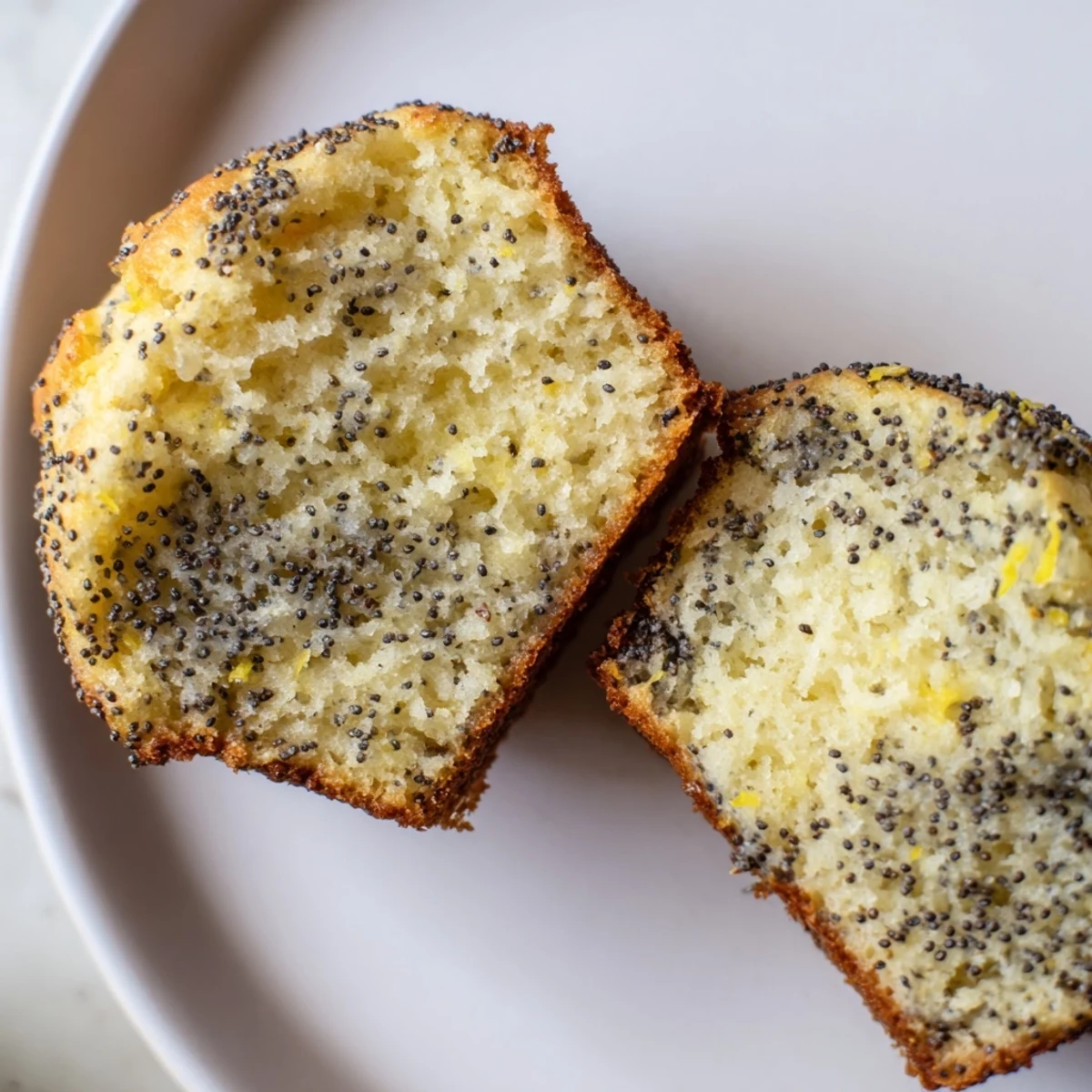
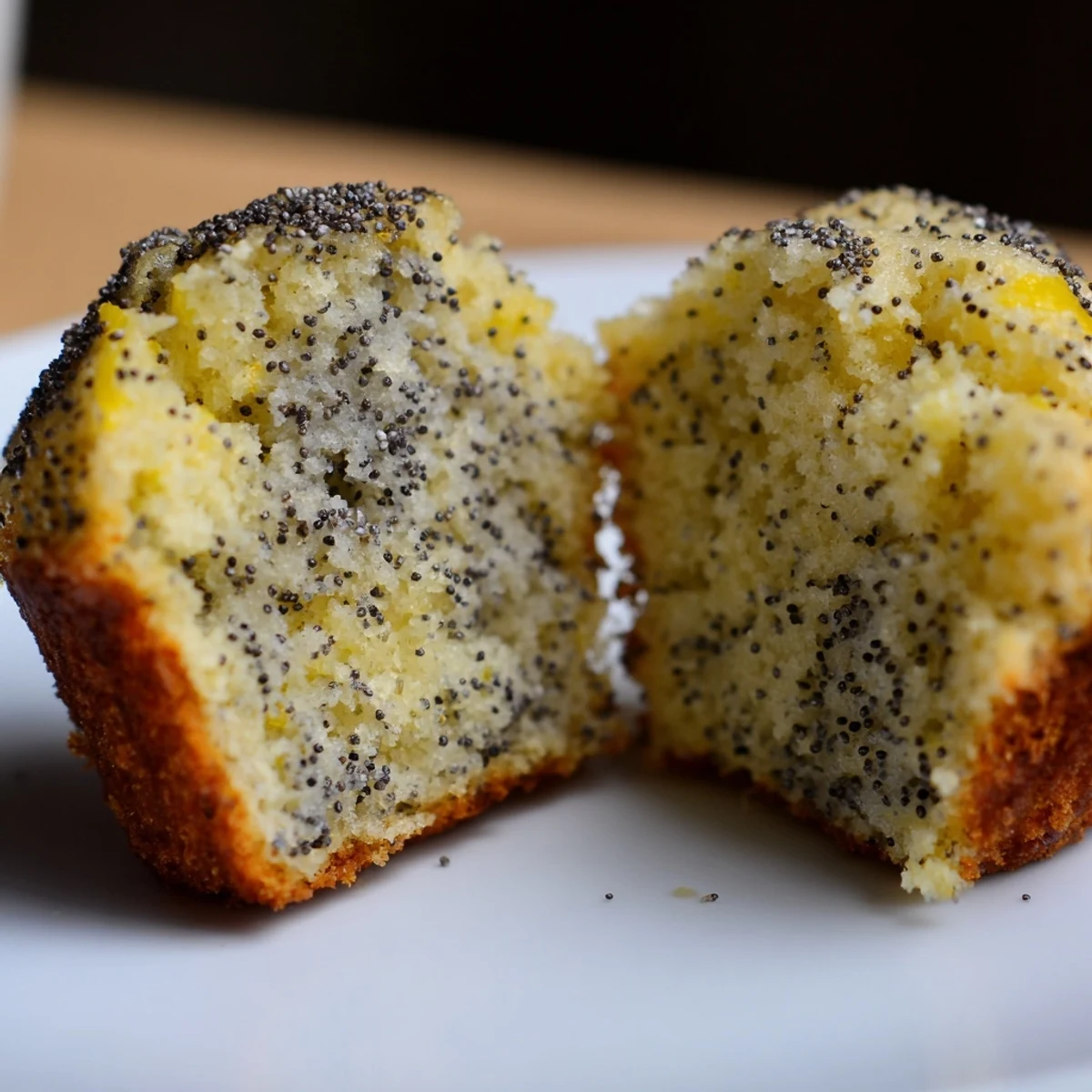
Save These lemon poppy seed muffins blend fresh lemon zest and juice with crunchy poppy seeds and creamy Greek yogurt, delivering moist and tangy bites perfect for breakfast or a snack. The batter quickly comes together with dry ingredients including flour, baking powder, and soda balanced by wet elements like sugar, eggs, oil, and vanilla. Baking yields a tender crumb with bright citrus notes, ideal when enjoyed warm or cooled. Optional lemon glaze enhances the fresh flavor. These easy muffins make a delightful vegetarian treat, using simple pantry staples and minimal prep time.
There's something about the smell of lemon zest hitting a hot oven that makes a Tuesday morning feel like a celebration. I discovered these muffins by accident, really—I had half a container of Greek yogurt sitting in the fridge and a bag of poppy seeds from a baking project that never happened, and I thought, why not combine them? The result was so bright and tender that my partner actually asked for the recipe before finishing the first one.
I made these for a neighbor's book club and watched them disappear in about fifteen minutes, which told me everything I needed to know about whether they were worth keeping in regular rotation. Someone asked if they were store-bought, which is maybe the highest compliment a homemade muffin can receive.
Ingredients
- All-purpose flour (2 cups): The foundation—make sure it's spooned and leveled, not scooped directly from the bag, or you'll end up with dense, heavy muffins.
- Poppy seeds (1 tablespoon): These tiny dark specks do more than look pretty; they add a subtle nuttiness that balances the brightness of the lemon.
- Baking powder and baking soda (1 teaspoon and 1/2 teaspoon): The yogurt is acidic, so the baking soda helps neutralize it while the baking powder gives you lift—skip either one and you'll notice.
- Salt (1/4 teaspoon): Just a whisper of it to enhance the lemon without making anything taste salty.
- Granulated sugar (2/3 cup): Dissolves cleanly into the wet ingredients and keeps the crumb tender.
- Lemon zest (from 2 lemons): The secret weapon—zest has all the flavor oils without the juice's acidity, so don't skip it or use the bottled stuff.
- Eggs (2 large): They bind everything together and add richness that keeps these from tasting diet-like.
- Plain Greek yogurt (1 cup): Thicker and tangier than regular yogurt, it makes these muffins extraordinarily moist and adds a subtle tang that feels intentional, not accidental.
- Vegetable oil (1/2 cup): Oil stays liquid at room temperature, giving you a more tender crumb than butter alone would.
- Fresh lemon juice (1/4 cup): Use real lemons—bottled juice tastes flat and one-dimensional by comparison.
- Vanilla extract (1 teaspoon): A small amount that rounds out the flavor without announcing itself.
Instructions
- Set your stage:
- Preheat the oven to 375°F and line your muffin tin with paper liners—they'll peel away cleanly when the muffins cool, and cleanup becomes almost painless. If you don't have liners, a light greasing works fine, though you'll need to be more patient when unmolding.
- Build your dry mixture:
- Whisk together the flour, poppy seeds, baking powder, baking soda, and salt in a large bowl. This is where you distribute the leavening agents evenly, so they do their job properly.
- Release the lemon oils:
- Combine the sugar and lemon zest in another bowl and rub them together with your fingers for about a minute. You'll feel the zest soften and smell the most wonderful thing—that's the essential oils releasing, and it's exactly what you want.
- Combine the wet team:
- Add the eggs, yogurt, oil, lemon juice, and vanilla to your sugar-zest mixture and whisk until everything is smooth and pale. This should take about a minute of steady whisking.
- Bring it together gently:
- Pour the wet ingredients into the dry ingredients and stir with a spatula just until you don't see streaks of flour anymore—about ten to fifteen gentle folds. Stop as soon as you can, because overmixing activates the gluten and toughens the crumb irreversibly.
- Fill and bake:
- Divide the batter evenly among the muffin cups so they bake at the same rate, filling each about three-quarters full. Slide them into the oven for 18 to 20 minutes, until a toothpick inserted in the center comes out clean or with just a few moist crumbs clinging to it.
- Cool with intention:
- Let them sit in the pan for about five minutes so they set up slightly, then transfer them to a wire rack to cool completely. If you try to eat them straight from the pan, they'll fall apart; give them ten minutes and they'll hold together perfectly while still being warm.
 Save
Save These muffins became the thing I made whenever someone was going through something—a breakup, a stressful week, a new job—because there's something so uncomplicated about offering homemade lemon muffins. They say, I was thinking of you without being dramatic about it.
Flavor Notes and Variations
The tartness of the Greek yogurt and lemon juice is balanced by the sweetness of the sugar and the subtle vanilla, which means every bite tastes intentional rather than one-note. If you want to push the lemon flavor further, add a tablespoon of lemon zest instead of two, or drizzle the cooled muffins with a simple glaze made from powdered sugar and a squeeze of fresh lemon juice. You can also swap the Greek yogurt for regular sour cream if that's what you have on hand—the texture will be slightly less dense, but the flavor will be just as good.
Storage and Make-Ahead Tips
These muffins keep well at room temperature in an airtight container for up to three days, which means you can bake them on Sunday and have breakfast sorted for half the week. If you want to freeze them, wrap each muffin individually in plastic wrap and store them in a freezer bag for up to three months—just thaw them at room temperature for about an hour, or warm them wrapped in foil in a 300°F oven for ten minutes. The batter itself can be made ahead and refrigerated for up to twelve hours before baking, which is handy if you want fresh muffins for breakfast without the early morning work.
Why This Recipe Became a Favorite
What makes these muffins special isn't any single ingredient or technique—it's the way they hit that sweet spot between indulgent and wholesome, fancy enough for a brunch but easy enough for a Tuesday morning. They've become the recipe I reach for when I want to feel like I've done something thoughtful without the elaborate setup of a full dessert.
- The yogurt keeps them moist for days, so they're just as good on day two as they are hot from the oven.
- Fresh lemon zest makes all the difference and is worth taking the thirty seconds to zest your own lemons rather than using the bottled stuff.
- If you're out of fresh lemon juice, you could substitute bottled in a pinch, but honestly, fresh is worth the extra trip to the market.
 Save
Save These muffins taught me that the best recipes aren't the ones with the most steps or the fanciest ingredients—they're the ones that come together naturally and taste like someone made them with you in mind. I hope they become something you reach for when you want breakfast to feel a little bit special.
Questions & Answers
- → What makes these muffins moist?
-
The inclusion of plain Greek yogurt and vegetable oil contributes to a tender, moist texture in the muffins.
- → Can I substitute any ingredients?
-
You can replace Greek yogurt with sour cream for a similar texture and tang, maintaining the moist crumb.
- → How do I enhance the lemon flavor?
-
Adding a lemon glaze made from powdered sugar and lemon juice melts over warm muffins to boost citrus brightness.
- → What is the role of poppy seeds here?
-
Poppy seeds add a subtle nutty crunch that complements the tart lemon flavor and moist crumb.
- → How to avoid overmixing the batter?
-
Stir gently just until dry and wet ingredients combine to prevent dense or tough muffins.