
 Save
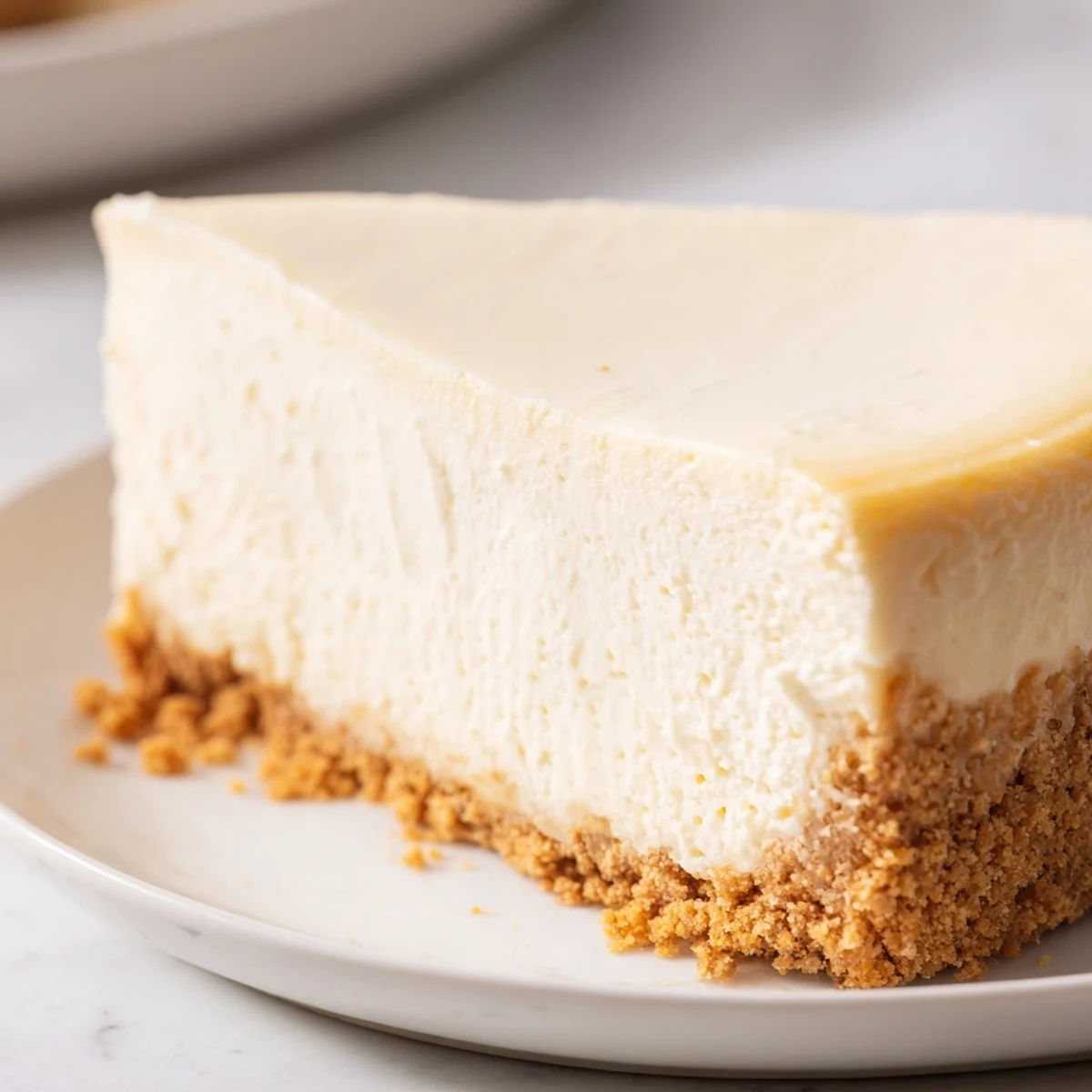
Save This classic American baked cheesecake features a buttery graham cracker crust pressed into a springform pan, topped with a luxuriously smooth cream cheese filling made with sour cream, vanilla, and a hint of lemon zest.
The secret to achieving that perfect crack-free surface lies in baking low and slow at 160°C, then letting it cool gently inside the oven with the door cracked open. After a minimum of six hours chilling in the refrigerator, you'll be rewarded with clean, beautiful slices.
An optional sour cream topping adds a pleasant tangy finish. Serve with fresh berries, fruit compote, or a drizzle of chocolate sauce for an unforgettable dessert.
The summer my oven thermostat broke was the summer I learned to truly respect cheesecake. I kept opening the door to check, letting all the heat escape, and ended up with a cracked, sunken disaster that tasted fine but looked absolutely defeated. That cracked mess taught me more about patience than any perfect bake ever could.
My neighbor Judith once knocked on my door holding a bowl of freshly picked strawberries just as I was pulling a cheesecake out of the fridge. We sat on the porch steps eating sloppy slices with her berries on top, and she told me about the bakery her grandmother ran in Brooklyn.
Ingredients
- Crust: 200 g graham crackers or digestive biscuits, 100 g unsalted butter melted, and 2 tbsp sugar. Crush the biscuits finely because large chunks make the crust crumble when you slice.
- Cream cheese: 900 g, softened to room temperature. Cold cream cheese will leave you with lumps no amount of beating can fix.
- Sugar: 200 g granulated for the filling.
- Eggs: 4 large eggs, added one at a time so the batter stays silky.
- Sour cream: 200 ml for the filling, plus 250 g for the topping if you choose to make one.
- Flour: 40 g all purpose flour, which helps stabilize the filling and prevents cracking.
- Vanilla extract: 2 tsp for the filling, plus 1 tsp for the topping. Use the real stuff if you have it.
- Lemon zest: From 1 lemon, optional but it brightens the whole thing beautifully.
- Powdered sugar: 2 tbsp for the topping.
Instructions
- Prep the pan and oven:
- Preheat your oven to 160 degrees Celsius (325 degrees Fahrenheit). Line a 23 cm springform pan with parchment paper and wrap the outside in foil if you want to use a water bath later.
- Build the crust:
- Crush the biscuits into fine crumbs and mix with sugar and melted butter until everything feels like damp sand. Press the mixture firmly into the bottom of the pan, bake for 10 minutes, then let it cool slightly while you make the filling.
- Make the filling:
- Beat the softened cream cheese and sugar together until completely smooth, scraping the bowl twice. Add eggs one at a time, mixing just until each disappears, then fold in sour cream, flour, vanilla, and lemon zest.
- Assemble and bake:
- Pour the filling over the warm crust and tap the pan gently on the counter to coax out any trapped air bubbles. Bake for 50 to 60 minutes until the edges are set but the center still has a gentle wobble when you shake the pan.
- The patience step:
- Turn off the oven, crack the door open, and leave the cheesecake inside for a full hour to cool gradually. This slow cooling is what saves you from cracks.
- Optional sour cream topping:
- Mix 250 g sour cream with powdered sugar and vanilla, then spread it over the cooled cheesecake in an even layer.
- Chill overnight:
- Refrigerate for at least 6 hours, though overnight is best. Run a warm knife around the edge before releasing the springform pan, then slice and serve.
 Save
Save The first time I served this at a dinner party, everyone went quiet after the first bite, and that silence told me everything.
Choosing the Right Cream Cheese
Full fat block cream cheese is nonnegotiable here. The spreadable kind in tubs contains more water and less fat, which means a softer, wetter filling that never quite sets properly. I learned this the hard way with a cheesecake that oozed across the plate like a sad puddle.
The Water Bath Question
A water bath creates steam that keeps the cheesecake moist and promotes even baking, but it is fussy and not strictly necessary for this recipe. If you skip it, just be extra careful not to overbake. The foil wrapped pan method works well if you decide to go for it.
Serving and Storing
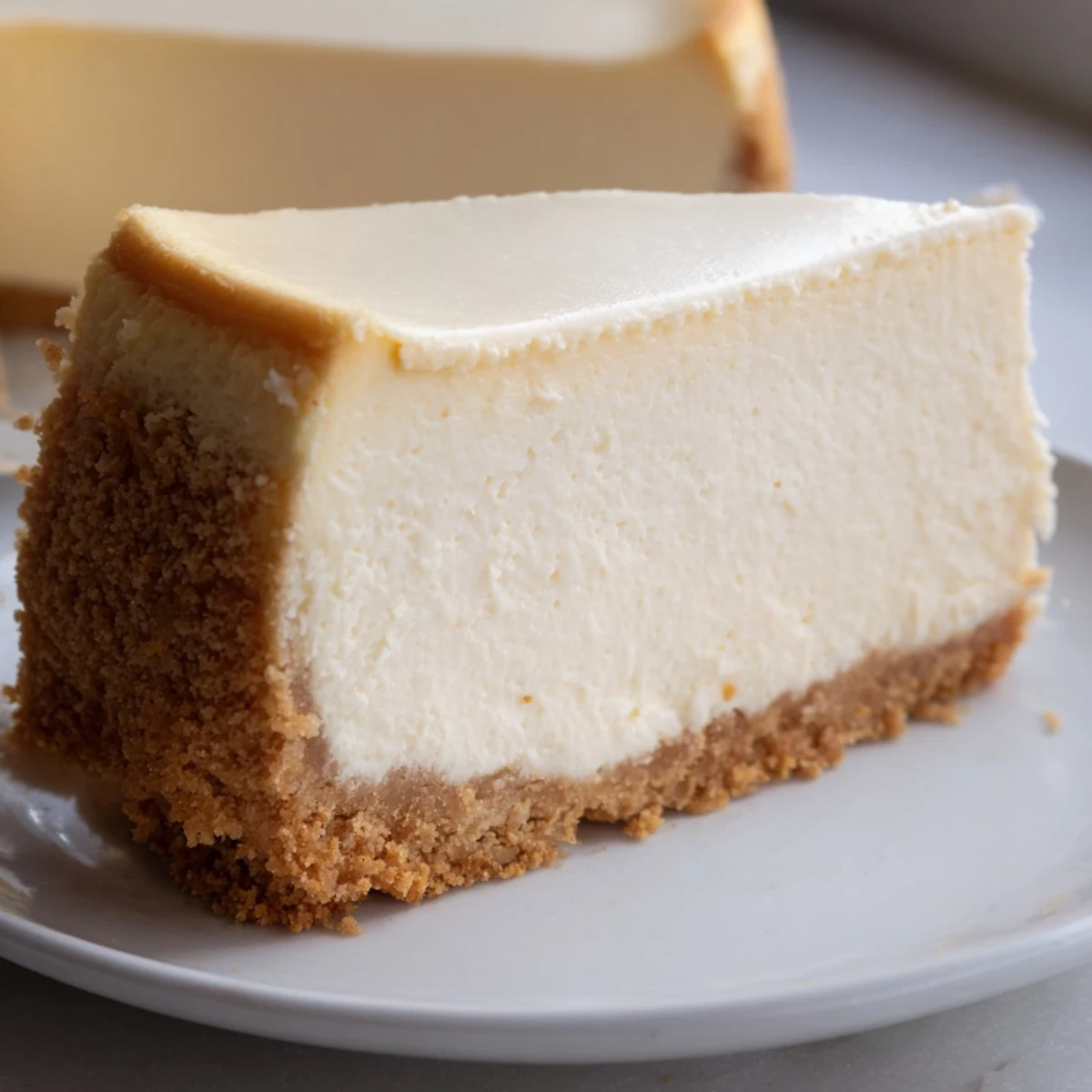
This cheesecake actually tastes better on the second day when the flavors have had time to settle and the texture becomes dense and creamy. It keeps in the refrigerator for up to five days, covered tightly.
- Use a hot clean knife for each slice and wipe it between cuts for bakery style edges.
- Freeze individual slices wrapped in plastic for up to two months for emergency dessert situations.
- Always let refrigerated slices sit at room temperature for about 15 minutes before serving so the flavors wake up.
 Save
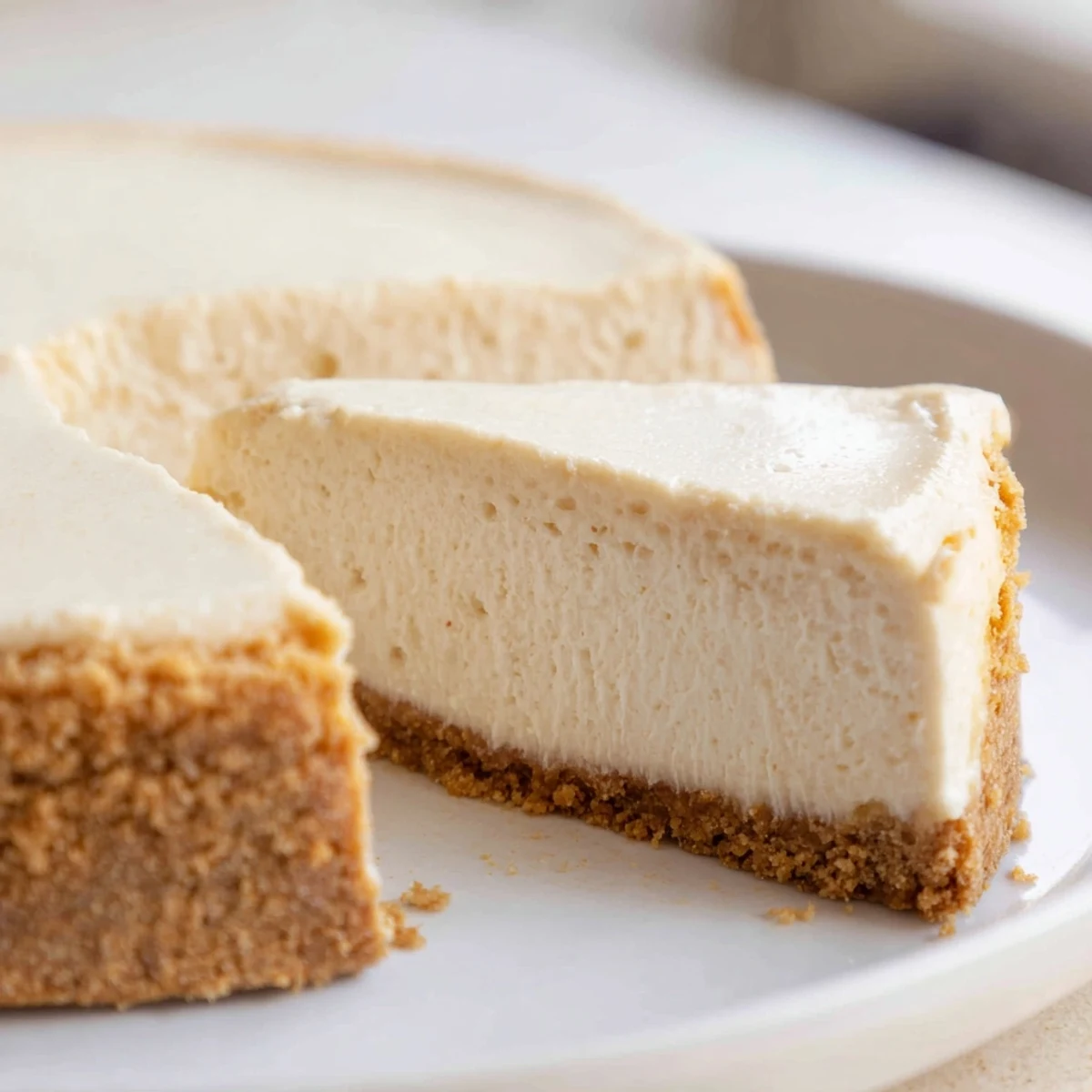
Save Some desserts are showy, but cheesecake earns its place through quiet confidence and the kind of richness that makes people close their eyes. Share it generously.
Questions & Answers
- → Why did my cheesecake crack on top?
-
Cracks usually form from overmixing the batter, which incorporates too much air, or from sudden temperature changes. Beat the filling on low speed, add eggs one at a time, and always cool the cheesecake gradually inside the oven with the door slightly open.
- → Can I make this cheesecake without a springform pan?
-
A springform pan is strongly recommended because it allows you to remove the sides without flipping or disturbing the delicate cheesecake. If you don't have one, use a deep cake pan lined with enough parchment overhang to lift the cheesecake out gently.
- → How long should I chill the cheesecake before slicing?
-
Plan for at least 6 hours of refrigeration, though overnight is ideal. This resting time allows the filling to fully set and develop its signature dense, creamy texture. Cutting too early will result in a soft, messy slice.
- → Can I freeze leftover cheesecake?
-
Yes, cheesecake freezes exceptionally well. Wrap individual slices tightly in plastic wrap, then place them in an airtight container or freezer bag. Freeze for up to 3 months. Thaw overnight in the refrigerator before serving.
- → How do I get clean slices when cutting the cheesecake?
-
Use a sharp, thin-bladed knife dipped in hot water and wiped clean between each cut. The warm blade glides through the chilled filling smoothly, giving you bakery-worthy, presentable slices every time.
- → Can I substitute the graham crackers for the crust?
-
Absolutely. Digestive biscuits, Oreo cookies (with or without the filling), gingersnaps, or even vanilla wafers all work beautifully. For a gluten-free version, simply use your favorite gluten-free cookie and confirm the other ingredients are certified gluten-free.