
 Save
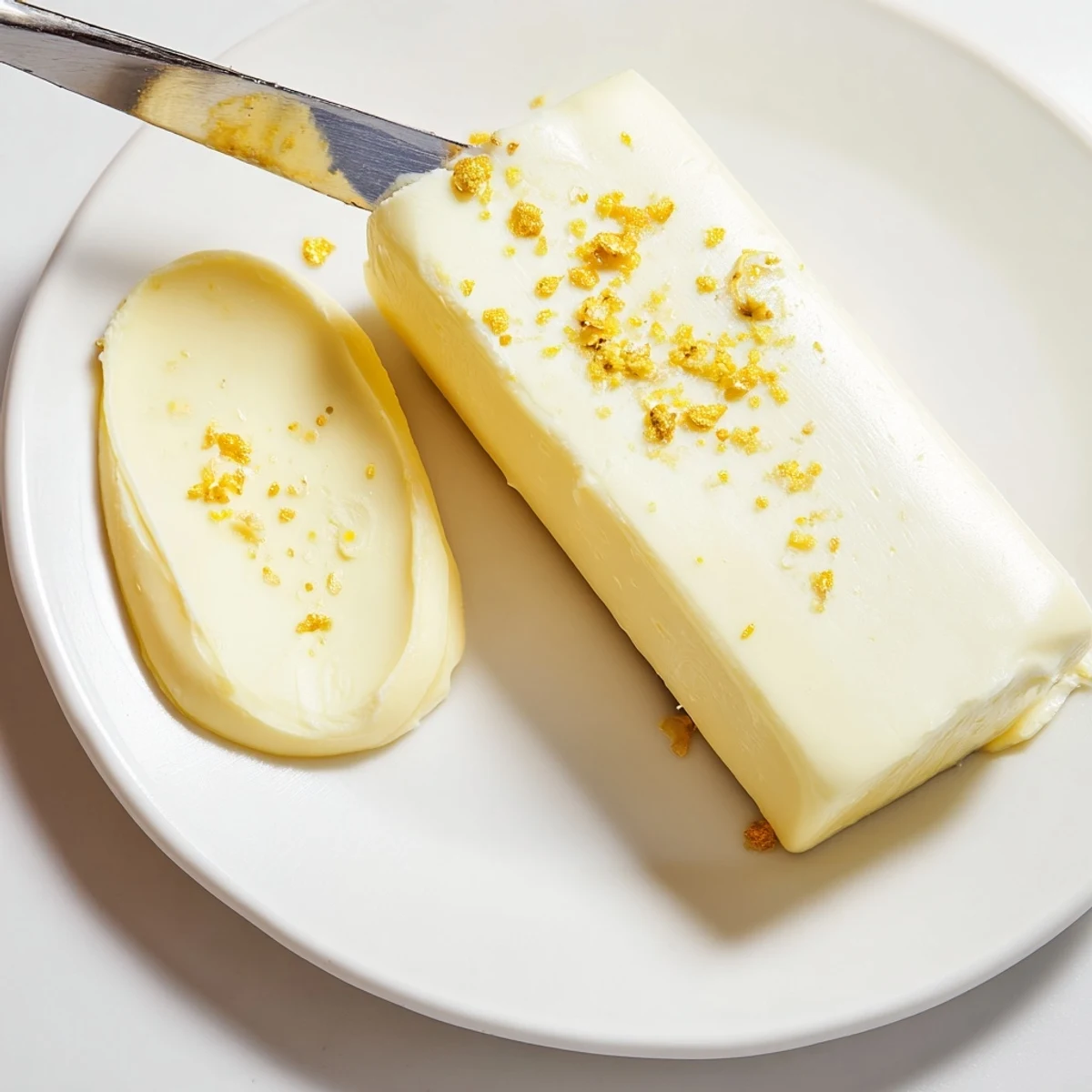
Save This rich, creamy vegan dairy-free butter blends melted refined coconut oil, a neutral oil, and plant milk with apple cider vinegar, salt and lecithin; nutritional yeast and turmeric are optional. Blend until fully emulsified, pour into a mold and chill until firm (about 2 hours). Keeps refrigerated up to two weeks; soften briefly at room temperature before spreading. Great for toasting, baking and cooking.
The first time I made this vegan dairy free butter, I wasn’t expecting to be so delighted watching it turn from simple oils into a silky golden spread. There was a quiet satisfaction hearing the soft whir of the blender and seeing the pale yellow mixture come together, almost like culinary magic. Curiosity got the best of me in the dead of winter, when toast called out for something rich but dairy was off the table. I loved how quickly this came together, the anticipation building as it chilled in the fridge.
I ended up making a double batch the morning a friend was visiting, and she actually paused her story just to ask what was on the toast. Her eyes widened in disbelief when I told her it was homemade vegan butter, not anything store-bought. We both laughed over the little flecks of turmeric, and talked about foods we missed but didn’t anymore. That morning, toast felt a little more celebratory than usual.
Ingredients
- Refined coconut oil, melted: This gives your butter its solid-yet-creamy texture; I learned to always melt and let it cool to just-warm for the smoothest blend.
- Neutral oil (sunflower or grapeseed): A good neutral oil keeps the butter from being overwhelming; experiment and see which one you prefer.
- Unsweetened soy milk (or almond/oat milk): The non-dairy milk helps emulsify everything and adds a hint of creaminess—be sure it’s unsweetened, or things get a little odd.
- Apple cider vinegar: A touch of acidity does wonders for the flavor, just like regular cultured butter.
- Sea salt: Butter isn’t the same without salt; I always taste the mix before chilling so it’s just right.
- Nutritional yeast (optional): Just a little adds that secret buttery depth; I skip it sometimes and the butter’s still delicious.
- Ground turmeric (optional): This is simply for color, but I like the sunny hue it gives—just a pinch or it’s too much.
- Sunflower lecithin or soy lecithin: It’s the key to a perfectly blended, non-separating spread; granules or liquid both work if you dissolve them well.
Instructions
- Melt and cool the coconut oil:
- Gently melt the coconut oil in a small saucepan or microwave just until liquid, then let it cool so it isn’t hot enough to scramble the non-dairy milk.
- Add everything to the blender:
- Pour in your melted coconut oil, neutral oil, non-dairy milk, apple cider vinegar, sea salt, and, if you like, the nutritional yeast and turmeric; finally, sprinkle in the lecithin, watching it float before it vanishes in the blend.
- Blend until creamy:
- Secure the blender lid and blend on high—after a minute or two, dip in a spoon and admire the super-smooth, pale yellow butter starting to thicken.
- Pour into your container:
- Carefully transfer the mixture to an airtight container or butter mold; it’s satisfyingly pourable, almost like custard.
- Chill until firm:
- Pop it into the fridge for at least two hours, maybe more—the wait is the hardest part, but you’ll see it set up beautifully with a subtle, buttery aroma.
- Enjoy and store:
- Once firm, scoop or spread as desired; let it warm just a few minutes at room temperature if you want extra spreadability.
 Save
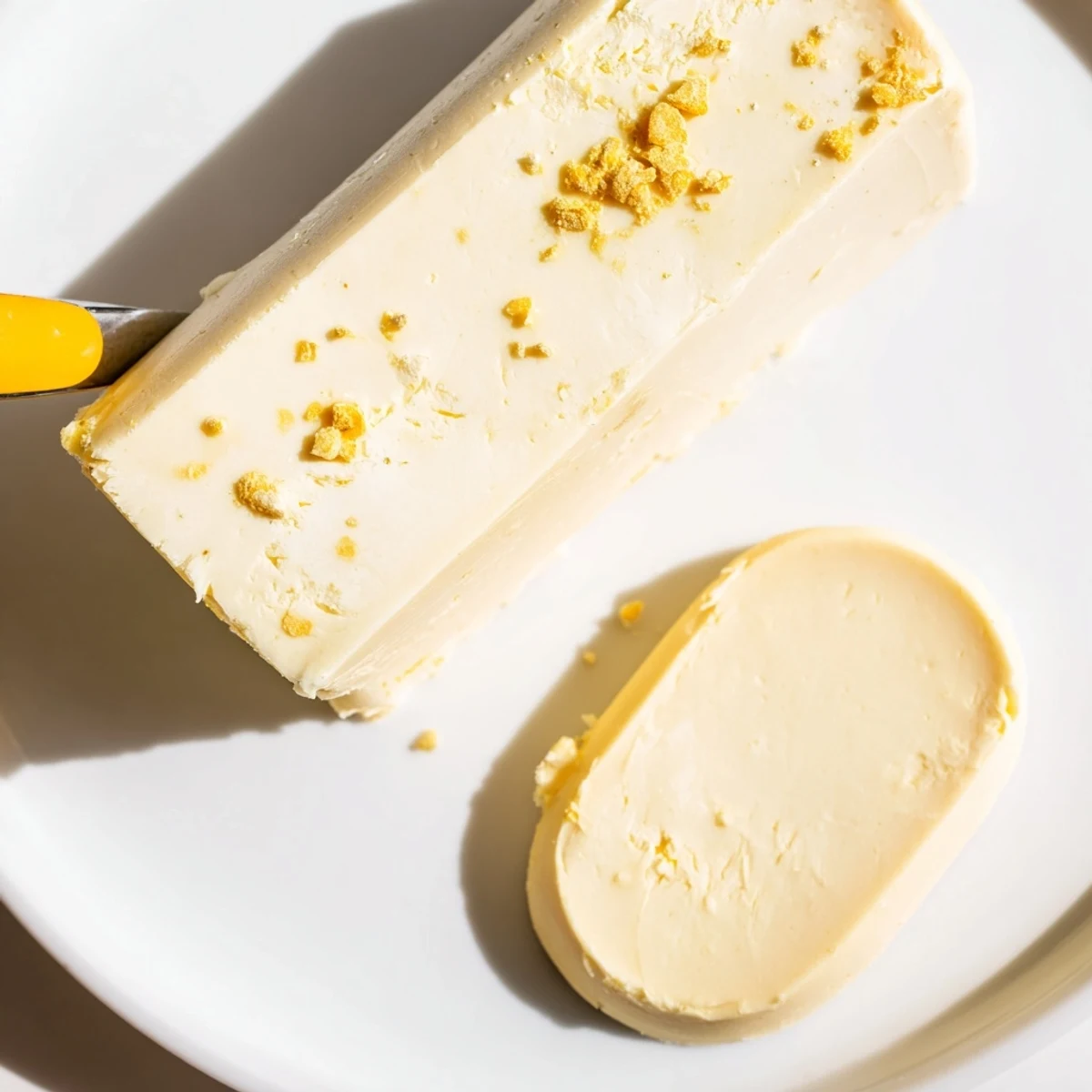
Save Seeing my partner take seconds and slather the butter thickly on sourdough made me realize how much comfort a good homemade staple can bring. It wasn’t just a dairy replacement at that table—it felt like a tiny triumph we could share over breakfast, coffee, or late-night snacks.
Troubleshooting for Perfect Texture
Sometimes I ended up with a butter that separated or didn’t quite set the right way. I found that blending just a little longer, and making sure all the ingredients were room temperature (especially the milk), gave me the creamiest spread. If it’s too soft, I pop it in the freezer for fifteen minutes, then transfer back to the fridge. Super simple fix that saves the batch every time.
Ways to Make It Your Own
As I got more comfortable with the recipe, I started sneaking in a pinch of garlic powder or smoked paprika for a savory kick. Swapping neutral oils changed the flavor in subtle ways—grapeseed made it light and clean, while sunflower had a hint of nuttiness. On weekends, I press chopped fresh herbs into the top before chilling it. Bread and dinner guests are never disappointed.
Making It Work for Everyone
When friends with allergies come over, I use oat milk and sunflower lecithin to make the spread soy-free and even more inclusive. Reading every label was a lesson in patience, but it means every guest can dig in without worry. I always keep the butter in a dedicated container so there’s no cross-contamination from other spreads.
- If your kitchen is warm, refrigerate your container ahead so the butter sets faster.
- For a sweeter take, add a tiny drizzle of maple syrup.
- Don’t forget to taste and add more salt if needed—the saltiness fades a little once chilled.
 Save
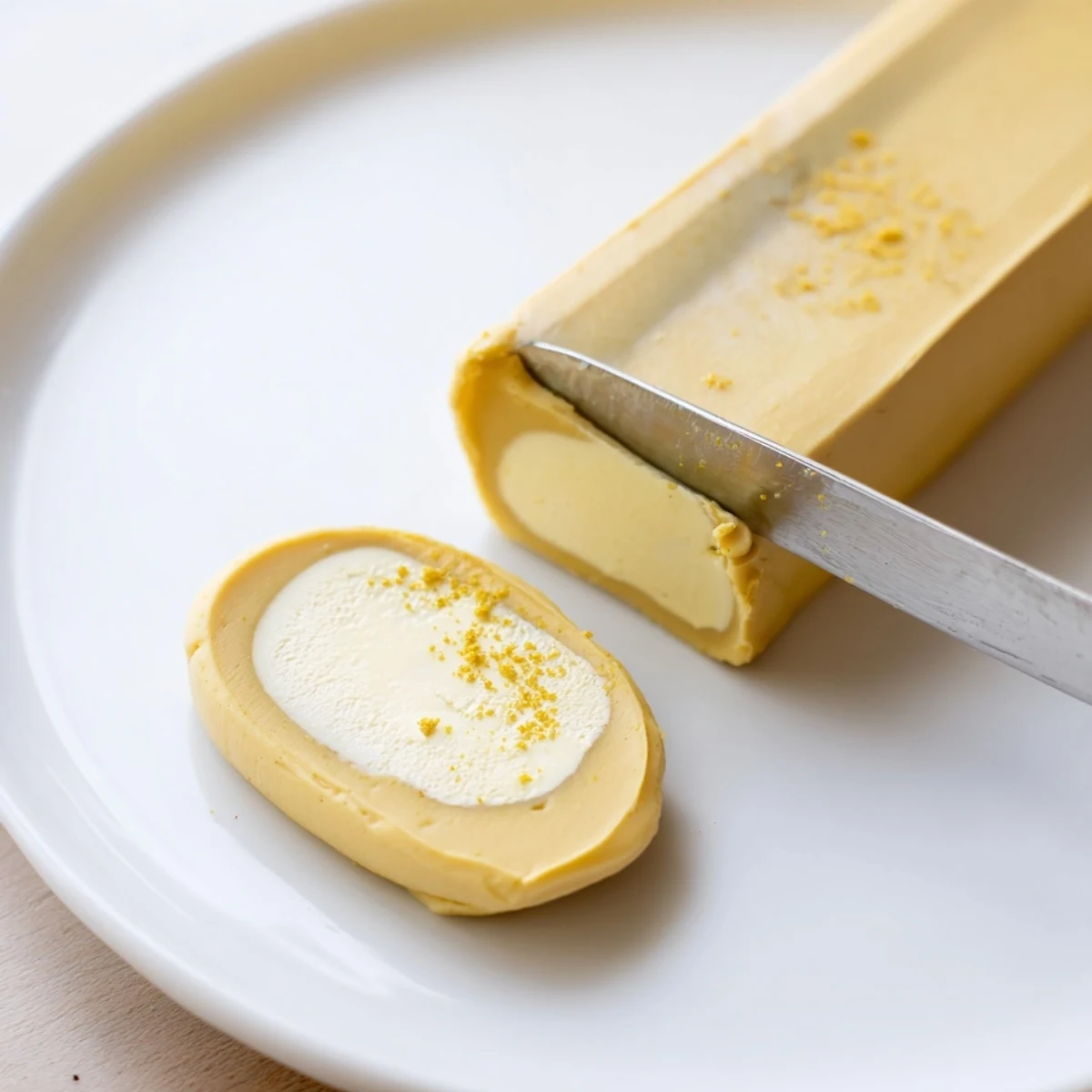
Save The best part of making vegan butter from scratch is that you know exactly what’s in it, and every little step feels like a win. Try it once, and your toast will thank you.
Questions & Answers
- → How do I prevent separation?
-
Use an emulsifier such as sunflower or soy lecithin and blend on high until very smooth. Ensure the coconut oil is liquid but not hot so it emulsifies evenly with the plant milk.
- → Can I make a soy-free version?
-
Yes. Swap soy milk for oat or almond milk and choose sunflower lecithin instead of soy lecithin to keep it soy-free while maintaining emulsification and texture.
- → Will the coconut oil flavor come through?
-
Refined coconut oil is recommended to minimize coconut flavor. Use unrefined only if you enjoy a mild coconut note. Neutral oil and vinegar help balance the profile.
- → Is this suitable for baking and cooking?
-
Yes. Once chilled and firm, it behaves like a spreadable butter for toasting and can be used in many baking and cooking applications where a plant-based fat is needed.
- → How long does it keep and how should I store it?
-
Store airtight in the refrigerator for up to two weeks. For longer storage, freeze portions. Allow to sit at room temperature briefly to soften before spreading.
- → How can I add savory or smoky flavors?
-
Stir in a pinch of garlic powder, smoked paprika, or extra nutritional yeast before blending to create flavored versions; adjust salt to taste.