
 Save
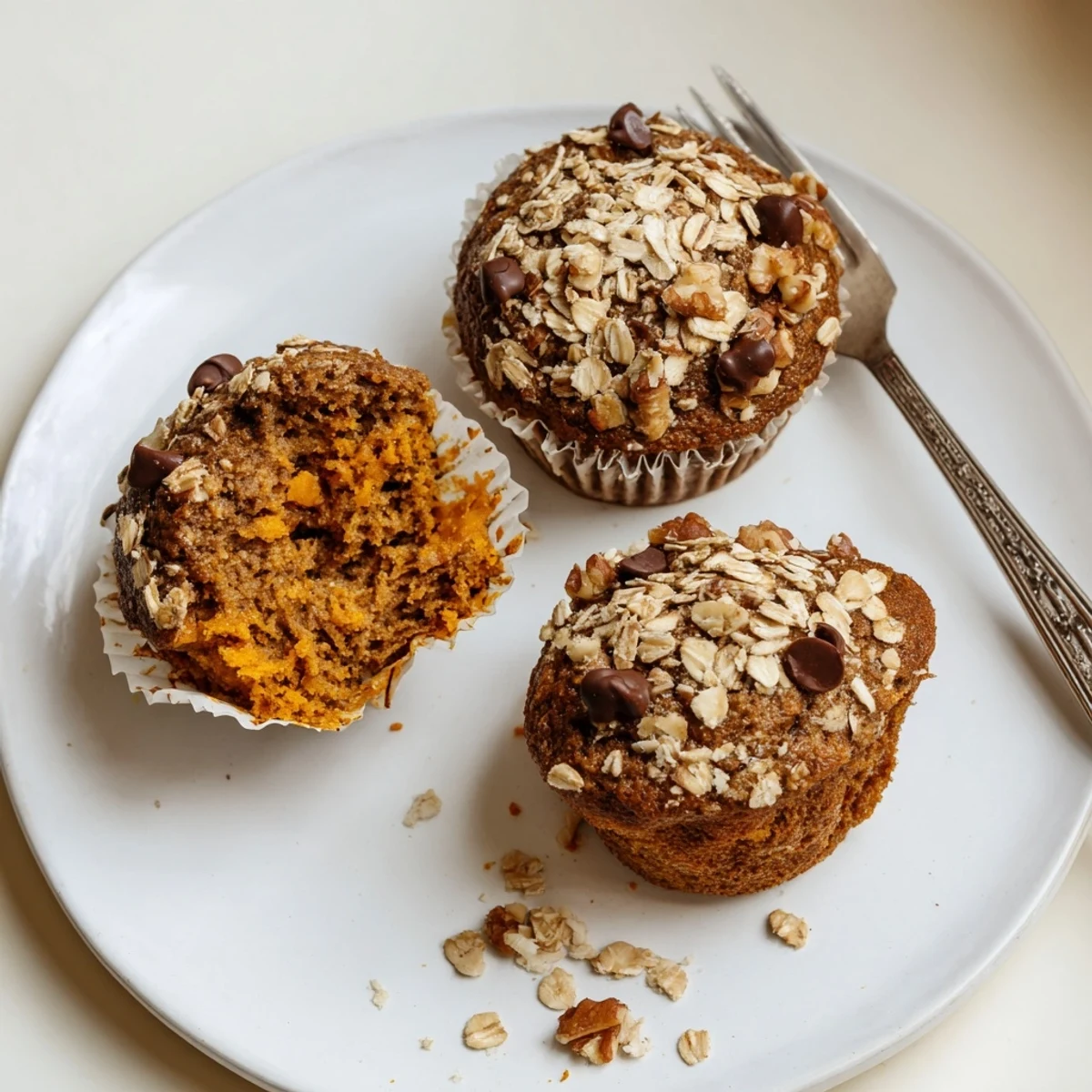
Save These moist muffins blend roasted butternut squash and mashed banana with warm spices for tender, flavorful bites. Preheat oven to 350°F (175°C) and bake 22–25 minutes for 12 muffins. Whisk dry ingredients, combine wet gently to avoid overmixing, and fold in nuts or chocolate chips if desired. Roast squash at 400°F until soft, then purée; cool before mixing. Cool on a rack before serving.
My toddler once handed me a half eaten banana and a chunk of roasted butternut squash from his lunch plate, and something about that unlikely pairing sparked an idea I could not shake. Two days later I was standing at the counter at six in the morning mashing bananas into squash puree, not entirely sure if I was inventing something brilliant or something terrible. The smell that came out of the oven answered that question definitively. These muffins have been a weekly staple in our house ever since.
I brought a full batch to a potluck last fall and watched three people reach for seconds before the main course was even served. One friend pulled me aside and asked what my secret was, convinced I had used pumpkin and a pound of butter. Telling her it was squash and a modest third cup of oil felt almost like revealing a magic trick.
Ingredients
- 1 cup butternut squash puree: Roasting the squash instead of boiling it makes a huge difference because you get concentrated sweetness instead of waterlogged mush.
- 2 ripe bananas, mashed: The speckled, almost embarrassingly soft kind you hesitate to eat plain are exactly what you want here for natural sweetness.
- 2 cups all purpose flour: Spoon it into the measuring cup and level with a knife because packing it down leads to dense, heavy muffins.
- 1 tsp baking powder and 1 tsp baking soda: Both are necessary because the soda reacts with the squash acidity while the powder gives extra lift.
- ½ tsp salt: Do not skip this even though the recipe is sweet because salt is what makes all the warm spices pop.
- 1 tsp ground cinnamon and ½ tsp ground nutmeg: Freshly grated nutmeg will knock your socks off compared to the pre ground version that has been sitting in your cabinet for two years.
- 2 large eggs: Room temperature eggs blend more smoothly into the batter and help with even rising.
- ½ cup brown sugar, packed: Brown sugar adds a caramel depth that white sugar alone simply cannot achieve.
- ¼ cup granulated sugar: A small amount of white sugar helps the tops develop that beautiful slight crispness.
- ⅓ cup vegetable oil or melted coconut oil: Oil produces a more tender crumb than butter in muffins, and coconut oil adds a subtle sweetness.
- 1 tsp pure vanilla extract: Always use real extract rather than imitation because you can taste the difference in simple recipes like this.
- Optional ½ cup chopped walnuts or pecans and ½ cup chocolate chips: I usually do half the batch with nuts for me and half with chocolate chips for the kids.
Instructions
- Preheat and prepare:
- Set your oven to 350°F and line a 12 cup muffin pan with paper liners. If you are out of liners, a light coating of baking spray works just fine but the edges brown a bit more.
- Whisk the dry ingredients:
- In a large bowl, whisk together the flour, baking powder, baking soda, salt, cinnamon, and nutmeg until evenly distributed. Take a moment to really whisk because nobody wants a pocket of baking soda in their morning muffin.
- Combine the wet ingredients:
- In a separate bowl, beat the eggs with both sugars until the mixture looks slightly lighter in color, then stir in the oil, vanilla, mashed bananas, and squash puree until everything is one cohesive orange mixture.
- Bring it all together:
- Pour the wet mixture into the dry ingredients and fold gently with a spatula until you stop seeing dry flour streaks. Stop right there because overmixing is the enemy of tender muffins and will make them chewy.
- Fold in the extras:
- If you are using nuts or chocolate chips, gently fold them in now with just a few strokes so they stay evenly distributed without overworking the batter.
- Fill and bake:
- Divide the batter evenly among the muffin cups, filling each about three quarters full, and slide the pan into the center of the oven for 22 to 25 minutes until a toothpick comes out clean.
- Cool properly:
- Let the muffins rest in the pan for five minutes, then transfer them to a wire rack to finish cooling completely because leaving them in the pan too long makes the bottoms soggy.
 Save
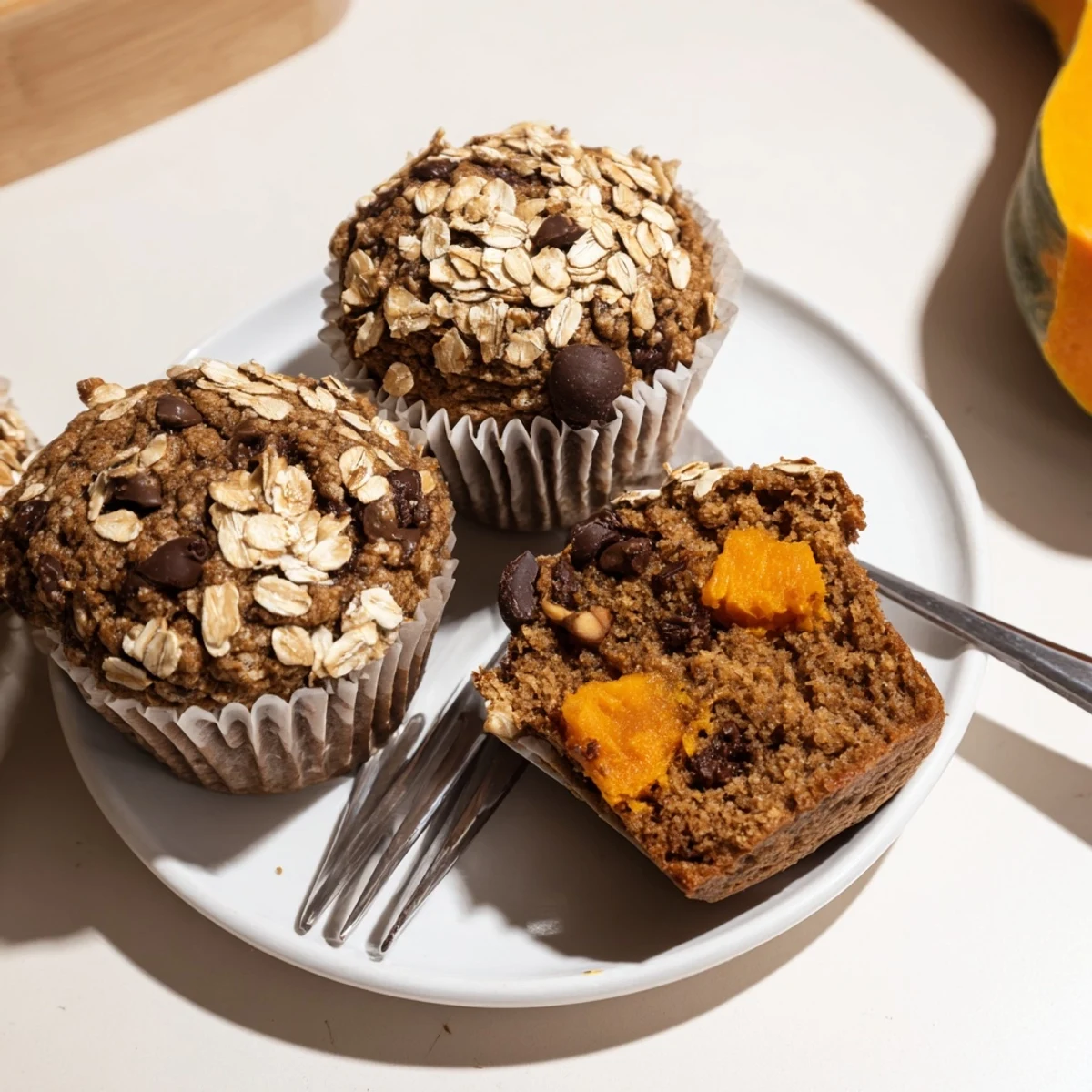
Save One rainy Saturday my daughter sat on the kitchen counter and announced she was the official taste tester for whatever I was making. She ate three muffins still warm from the oven, squash smeared across her chin, and declared them the best banana cupcakes in the entire world.
Making Your Own Squash Puree
Peel and cube a medium butternut squash, toss the cubes with a drizzle of olive oil, and spread them on a baking sheet at 400°F for about 30 minutes until fork tender. Throw the roasted cubes into a blender or food processor and blend until silky smooth, then let it cool completely before using it in the muffin batter. Any leftover puree freezes beautifully in ice cube trays for next time.
Swaps and Substitutions
You can replace half the all purpose flour with whole wheat flour for extra fiber and a slightly nuttier flavor, though the muffins will be a touch denser. Coconut oil works beautifully in place of vegetable oil and adds its own subtle sweetness. If you need these to be egg free, flax eggs will work in a pinch though the texture shifts toward more of a quick bread quality.
Storing and Freezing
These muffins stay fresh in an airtight container at room temperature for up to three days, and the refrigerator extends that to five. For longer storage, freeze them individually wrapped in plastic and then gathered in a freezer bag, where they keep beautifully for up to three months. Pop a frozen muffin in the microwave for 30 seconds and it tastes almost freshly baked.
- Always cool muffins completely before storing or condensation will make them soggy.
- A slice of bread placed in the storage container helps keep leftover muffins soft.
- Label your frozen bag with the date because even frozen muffins are best within three months.
 Save
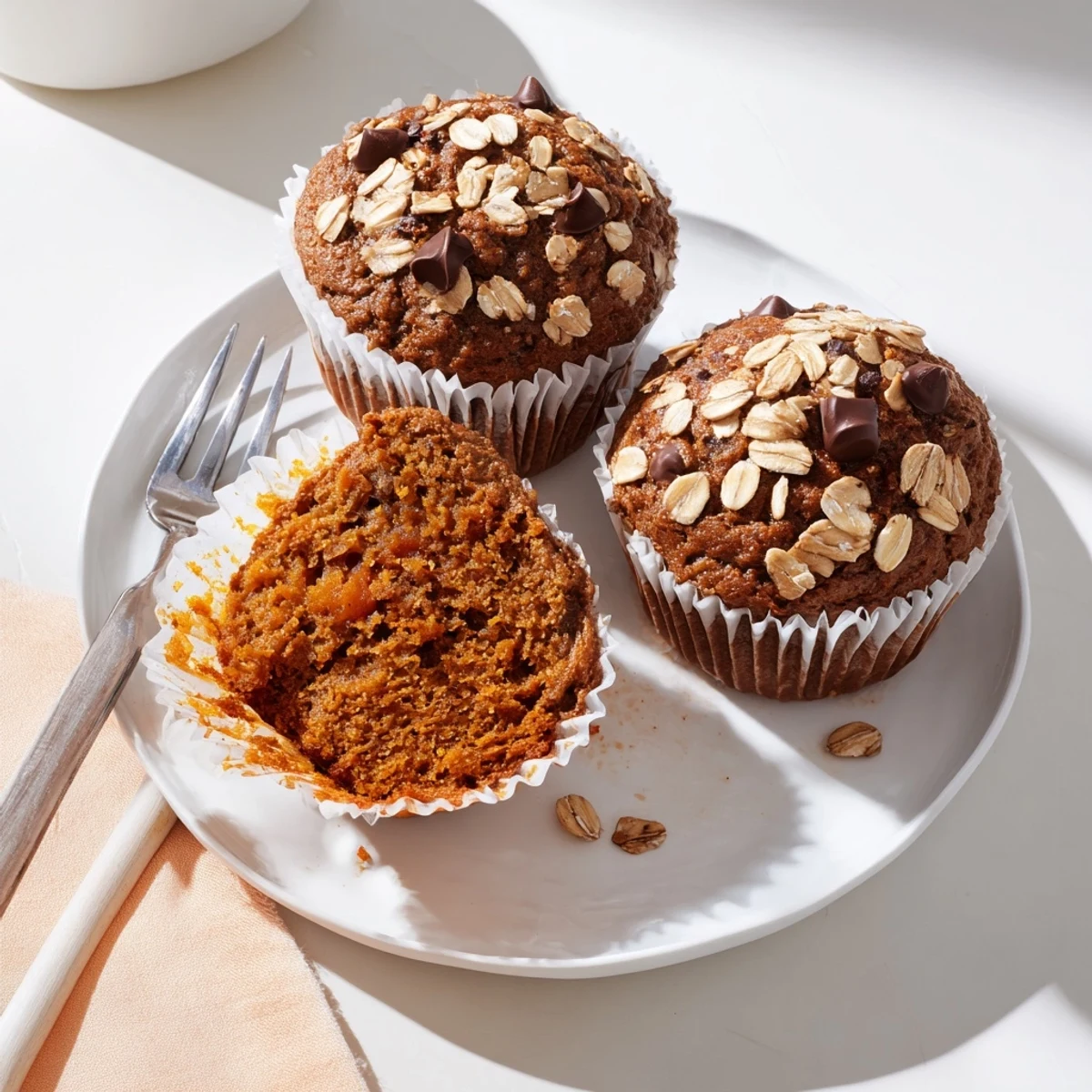
Save There is something quietly satisfying about pulling a tray of golden muffins from the oven knowing you turned leftover squash and aging bananas into something people genuinely crave. Keep this recipe close because it will rescue your overripe fruit and win over skeptics every single time.
Questions & Answers
- → How do I roast butternut squash for the purée?
-
Cube the squash, toss with a little oil, and roast at 400°F (200°C) about 30 minutes until tender. Blend until smooth and drain any excess liquid before using.
- → Can I use whole wheat flour instead of all-purpose?
-
Yes — swap up to half the all-purpose flour for whole wheat for more fiber. Expect a slightly denser crumb; add a tablespoon of extra liquid if the batter seems very thick.
- → How can I make these nut-free?
-
Simply omit the nuts and replace with extra oats, sunflower seeds, or additional chocolate chips for texture. Check labels to avoid cross-contact with tree nuts.
- → What’s the best way to store and reheat them?
-
Store cooled muffins airtight at room temperature up to 2 days or refrigerate up to 5 days. Reheat briefly in a low oven or microwave to restore warmth and softness.
- → Can these be frozen?
-
Yes — freeze fully cooled muffins in a single layer on a tray, then transfer to a sealed bag for up to 3 months. Thaw at room temperature or warm gently before serving.
- → How do I avoid overmixing the batter?
-
Fold wet ingredients into dry until just combined; a few lumps are fine. Overmixing develops gluten and yields tougher, denser muffins instead of a tender crumb.