
 Save
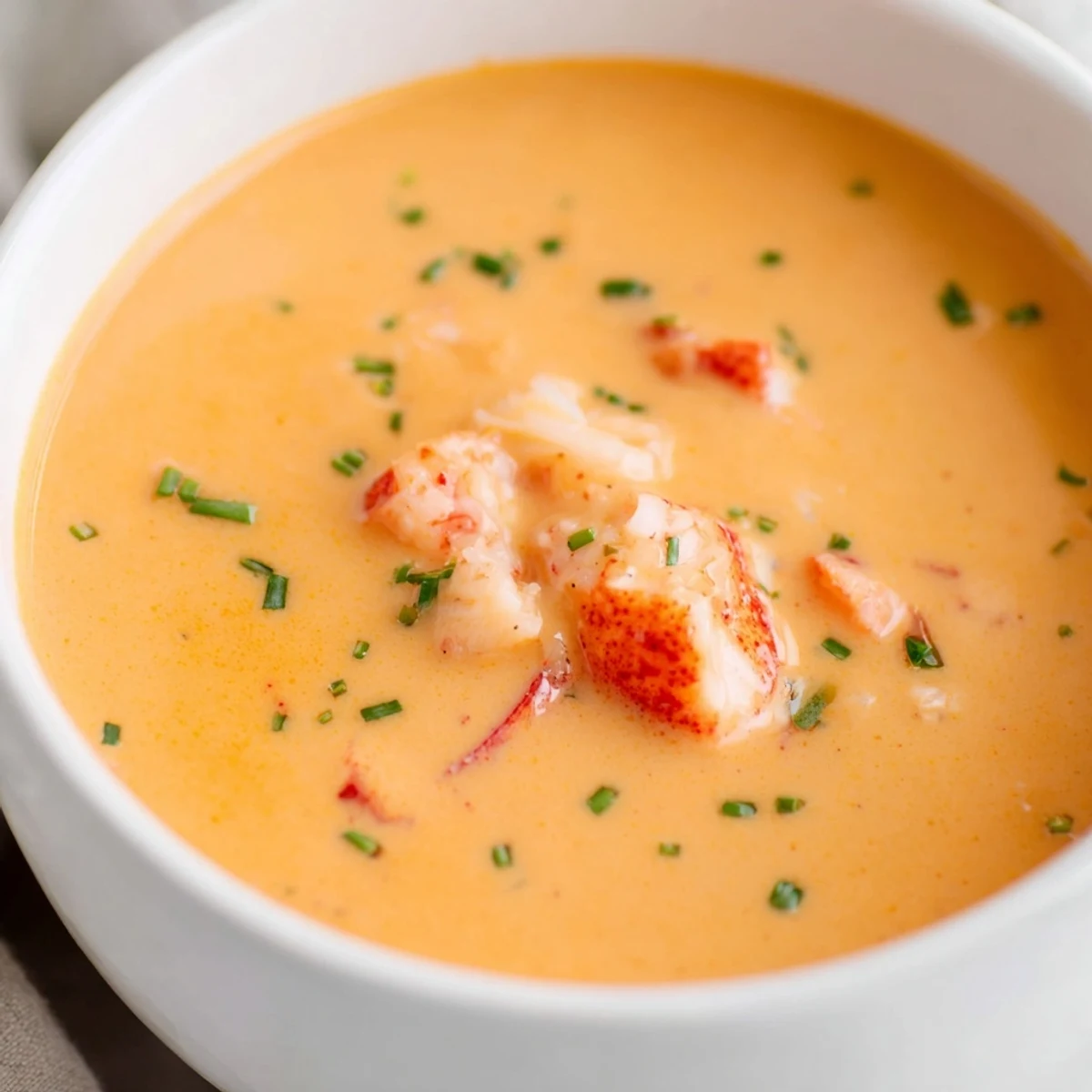
Save This silky bisque highlights tender lobster meat infused in a flavorful broth made from lobster shells, vegetables, and seafood stock. Slowly simmered for depth, it’s enriched with cream for smoothness while avoiding brandy, offering a luxurious yet refined taste. Aromatics like garlic, onion, celery, and tomato paste provide layers of savory complexity. Garnish with fresh herbs and a splash of lemon to brighten the bowl. Ideal as an appetizer or main for a special meal.
There's a particular December evening that comes to mind when I think about bisque—not the fancy kind you see in cookbooks, but the one I made when my sister called to say she'd finally gotten promoted at work. I wanted to do something that felt celebratory but didn't require leaving the kitchen for hours. Lobster bisque felt like the answer: elegant, luxurious, done in just over an hour. I remember standing at the fishmonger's counter, watching the lobsters in their tank, thinking this soup would taste like pure richness without a drop of brandy to hide behind.
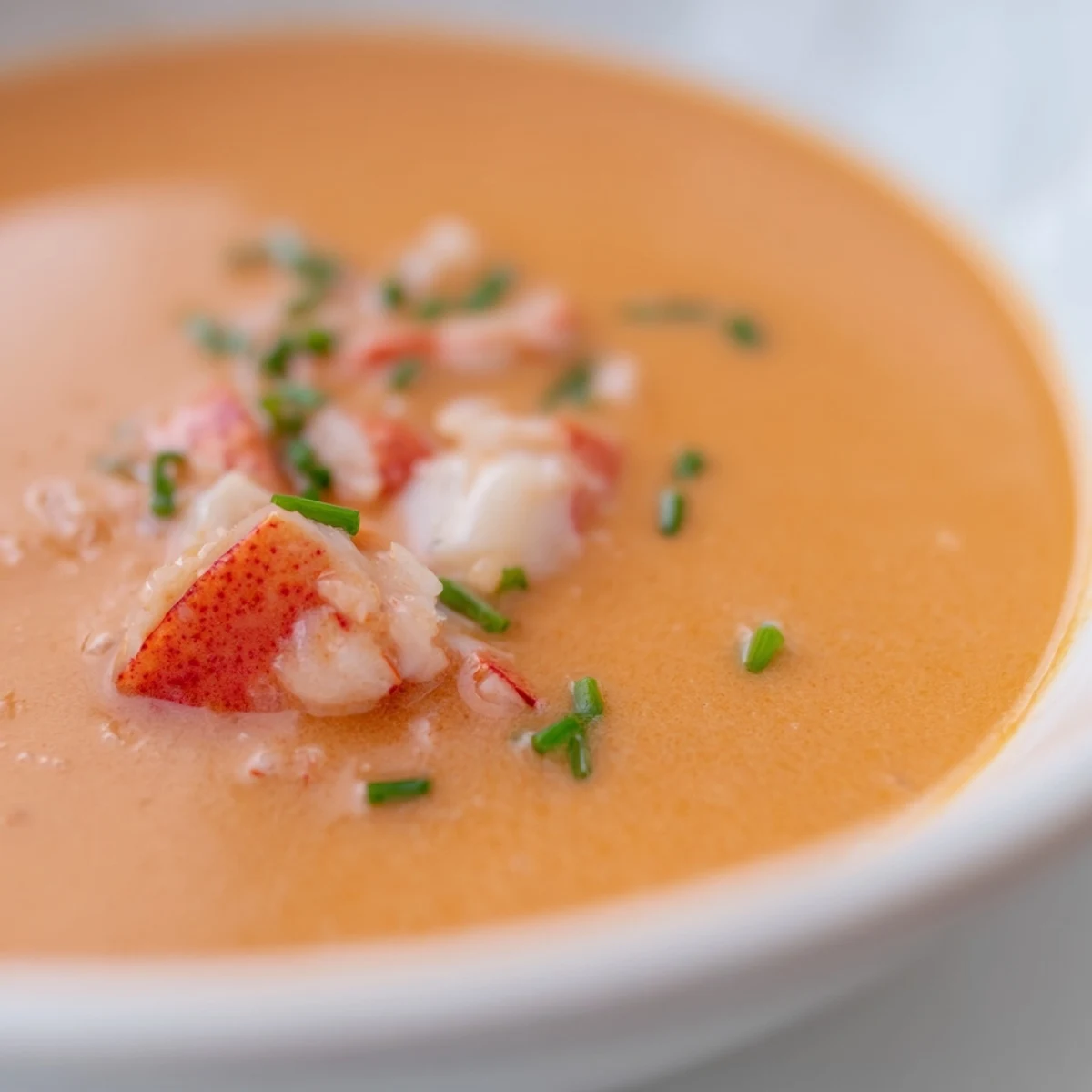
I served that December bisque in small bowls with a single piece of reserved lobster meat floating on top, and I watched my sister's face light up—not just because it tasted good, but because someone had made something special just because. That's when I realized bisque isn't really about impressing people with technique; it's about showing up for someone with time and care on a spoon.
Ingredients
- Whole lobsters (2, about 1.5 lbs each): Buy them already cooked if your fishmonger offers it, which saves you the guilt of boiling them yourself; the shells are where the magic lives, so don't discard them.
- Unsalted butter (2 tbsp): This is your base fat—unsalted lets you control the salt level of the final dish.
- Yellow onion, celery, carrot (1 each, chopped): The holy trinity of French cooking; they soften into the background and sweeten the broth.
- Garlic (2 cloves, minced): Add it with the tomato paste so the heat toasts it gently rather than burning it raw into the pot.
- Tomato paste (2 tbsp): A small amount deepens the color and adds an earthy undertone that makes the bisque feel more complex.
- Dry white wine (1/2 cup): The acid brightens everything; don't use anything you wouldn't drink, but don't spend more than twelve dollars either.
- Seafood or fish stock (4 cups): This is non-negotiable—it's the backbone of the whole soup, so use homemade if you have it, or the best quality you can find.
- Heavy cream (1 cup): Cold from the fridge, stirred in at the very end so it stays smooth and doesn't break.
- Bay leaf, paprika, cayenne pepper: Bay leaf simmers the whole time and lifts out before blending; paprika gives color and warmth, cayenne is optional heat.
- Fresh chives or tarragon: Chopped fresh and scattered on top, they add brightness and a hint of the garden to all that richness.
Instructions
- Get your lobster ready:
- If you bought whole cooked lobsters, let them cool enough to handle, then crack open the shells and pick out the meat—you'll have about 1.5 cups of meat and the shells still clinging together. Chop the meat into bite-sized pieces, cover it, and set it in the fridge so it stays cold and doesn't start breaking down while you build the base.
- Start the foundation:
- Melt butter in your largest pot over medium heat and watch for the quiet sizzle that tells you it's ready. Add the chopped onion, celery, and carrot, and stir every minute or so until they soften and turn translucent at the edges—this takes about 6 minutes and your kitchen will smell like a French restaurant.
- Deepen the flavor:
- Stir in the minced garlic and tomato paste and let them cook for 2 minutes; you'll see the paste darken slightly and smell something rich and concentrated. This is where the soup stops being just vegetables and starts becoming something.
- Add the shells:
- Put in those reserved lobster shells and stir for 4 minutes, crushing them gently against the side of the pot to release everything inside. The shells will start to break down and the mixture will look almost broth-like even though you haven't added liquid yet.
- Deglaze with wine:
- Pour in the white wine and use a wooden spoon to scrape up all the brown, caramelized bits stuck to the bottom of the pot—this is flavor you've built up and you don't want to waste it. Let it simmer for 2 minutes so the wine cooks down slightly and loses its sharp edge.
- Build the soup:
- Add the seafood stock, bay leaf, paprika, and cayenne if you're using it, then bring everything to a boil. Once it boils, turn the heat down to medium-low and simmer uncovered for 30 minutes; the liquid will reduce slightly and all those shells will give up everything they have.
- Strain and blend:
- Fish out the lobster shells and bay leaf with a slotted spoon and throw them away. Pour the remaining soup into a blender in batches (or use an immersion blender right in the pot) and purée until it's completely smooth and pale coral-colored—this is the moment the bisque transforms from a soup into something velvety.
- Bring it back together:
- Return the blended soup to low heat and stir in the cold heavy cream slowly so it doesn't break or separate; you'll feel it come together and turn silky. Simmer gently for 5 minutes, just until tiny bubbles start forming around the edges.
- Finish and serve:
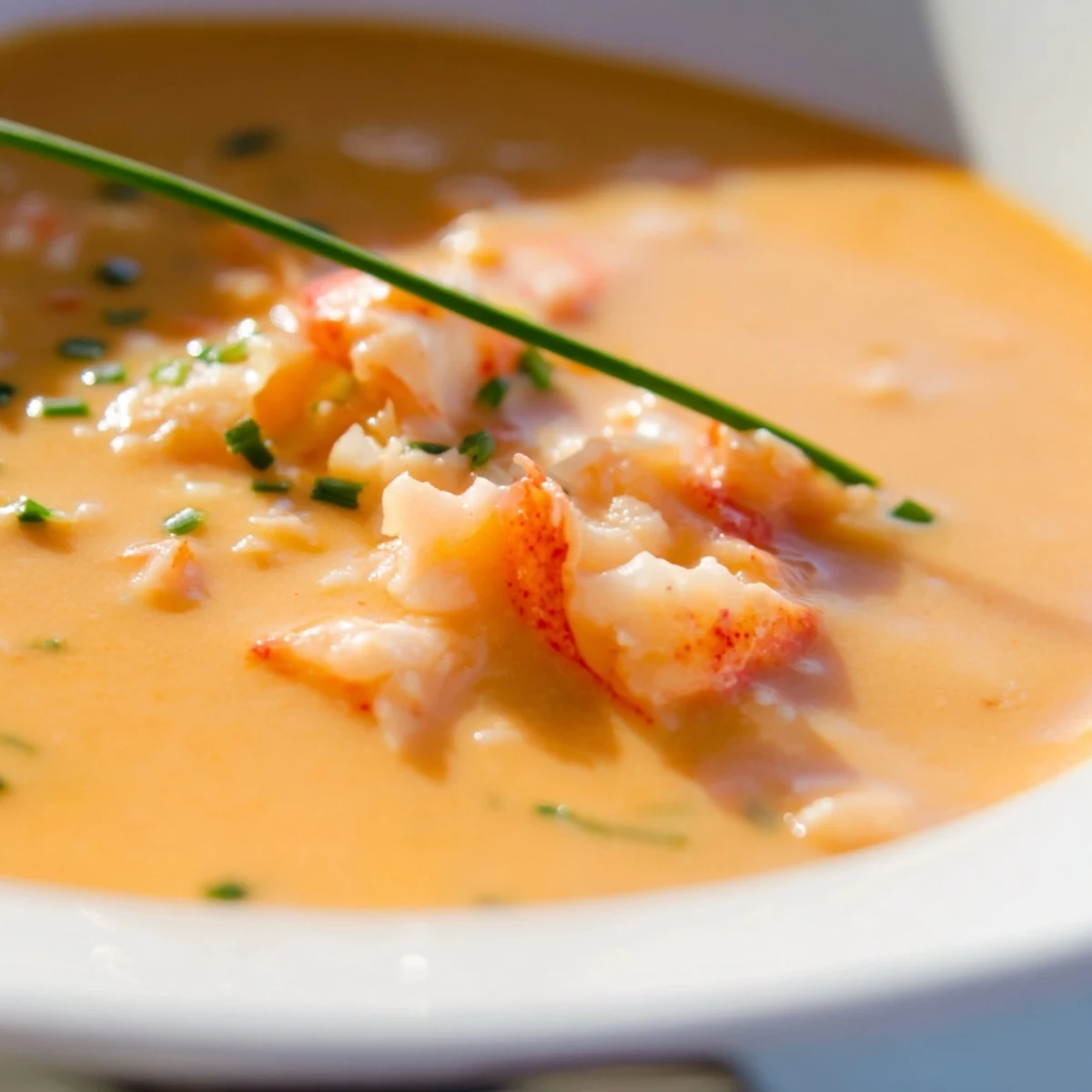
- Add back the reserved lobster meat and a handful of fresh chives or tarragon, season with salt and pepper to taste, and let it heat through for 2 to 3 minutes—don't let it boil or the cream will curdle and the meat will toughen. Ladle it into small bowls, top with a piece of reserved lobster and more herbs, and serve with lemon wedges on the side.
 Save
Save I've made this soup now for birthdays, quiet dinners for two, and once for a friend who was going through something hard and just needed to feel held by a bowl of something warm. Every time, it reminds me that the finest meals aren't about showing off—they're about taking the time to make something good.
Why the Shells Matter
The shell is where all the flavor lives; it's not waste or decoration. When you sear and simmer those shells, they release gelatin and compounds that make the bisque taste like pure lobster essence. I learned this the hard way by trying to make bisque with just the meat once, and it tasted thin and one-note until I added shells from the fishmonger. Now I understand that the shell is the real ingredient and the meat is almost secondary—it's there for texture and confirmation, but the soup is built on that pink, briny foundation.
The Cream Makes the Difference
People think heavy cream just makes things rich, but in bisque it serves a purpose: it smooths out the flavors and creates a silky mouthfeel that makes the soup feel luxurious without tasting cloying. The acid from the wine and the earthiness from the tomato paste balance it perfectly, so the cream doesn't overwhelm everything. If you're nervous about adding it, remember that it goes in at the very end off high heat, so there's less risk of it breaking; just stir slowly and let the heat carry it through.
Storage and Serving
Bisque keeps in the refrigerator for three days and actually improves slightly as the flavors meld together. Reheat it gently over low heat, stirring often and adding a splash of stock if it's thickened too much. You can freeze it before adding the cream, which gives you options for weeknight dinners when you want something that tastes like you spent hours on it.
- Serve it in small bowls as an appetizer, or pair it with crusty bread and a green salad for a light main course.
- A chilled Chardonnay or Sauvignon Blanc alongside it is not optional—the wine echoes what's already in the soup and makes everything taste brighter.
- Leftover lobster meat can go into salads or pasta the next day if you've reserved some for garnish and have extra left over.
 Save
Save This is the kind of soup that tastes like home but feels like a restaurant—the kind that makes people slow down and pay attention. Make it when it matters.
Questions & Answers
- → What can I use if lobster is unavailable?
-
Substitute shrimp shells and meat to achieve a similar seafood essence and texture.
- → How do I deepen the flavor of the bisque?
-
Roast lobster shells at 400°F for 10 minutes before simmering to enhance the broth’s richness.
- → Can this soup be made without alcohol?
-
Yes, this bisque is made without brandy but includes a touch of dry white wine for subtle acidity and flavor balance.
- → How should I garnish the bisque for best presentation?
-
Top with reserved lobster meat pieces and freshly chopped chives or tarragon, plus lemon wedges for brightness.
- → What tools help create the smooth texture?
-
Use an immersion blender or a regular blender after removing shells to purée the soup until velvety smooth.