
 Save
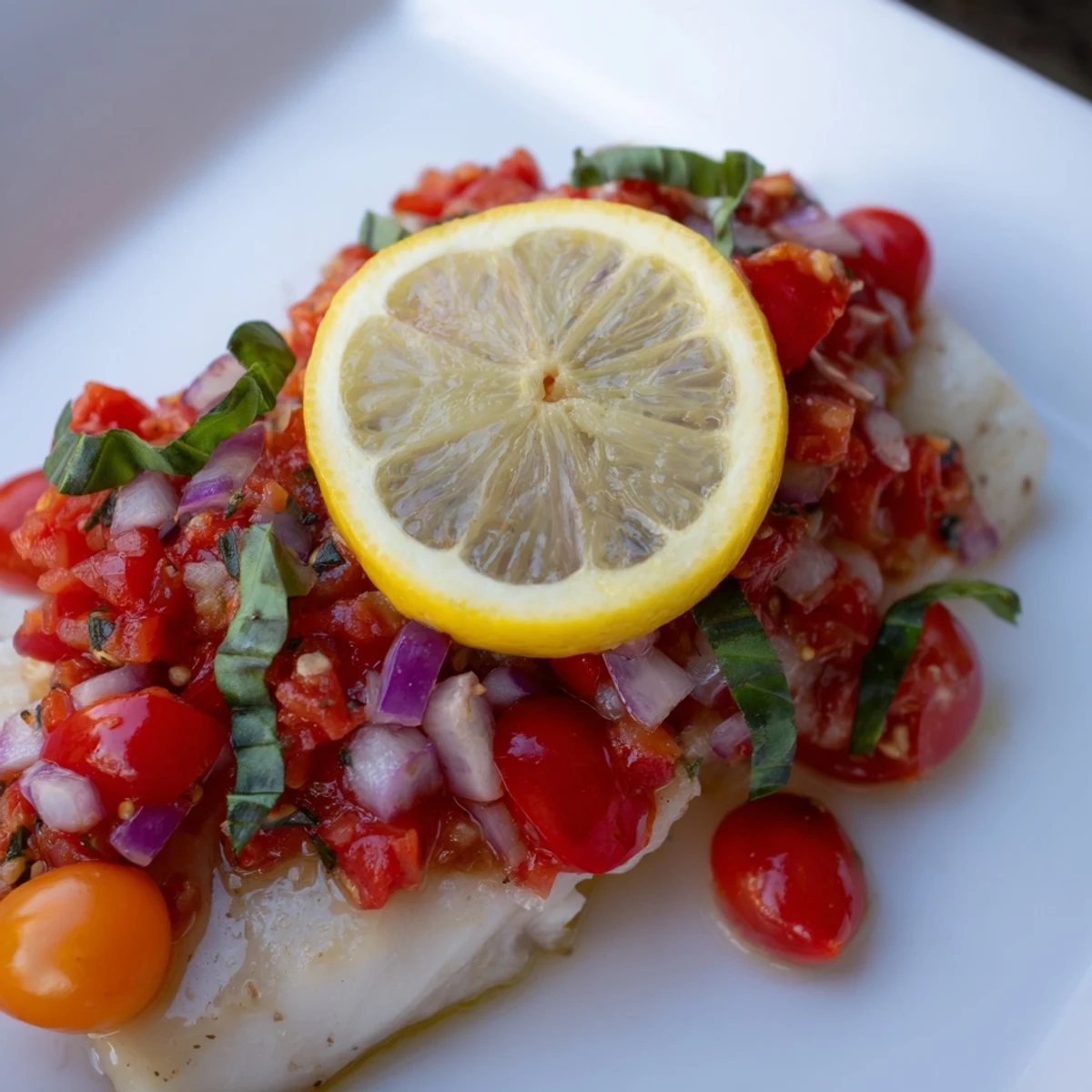
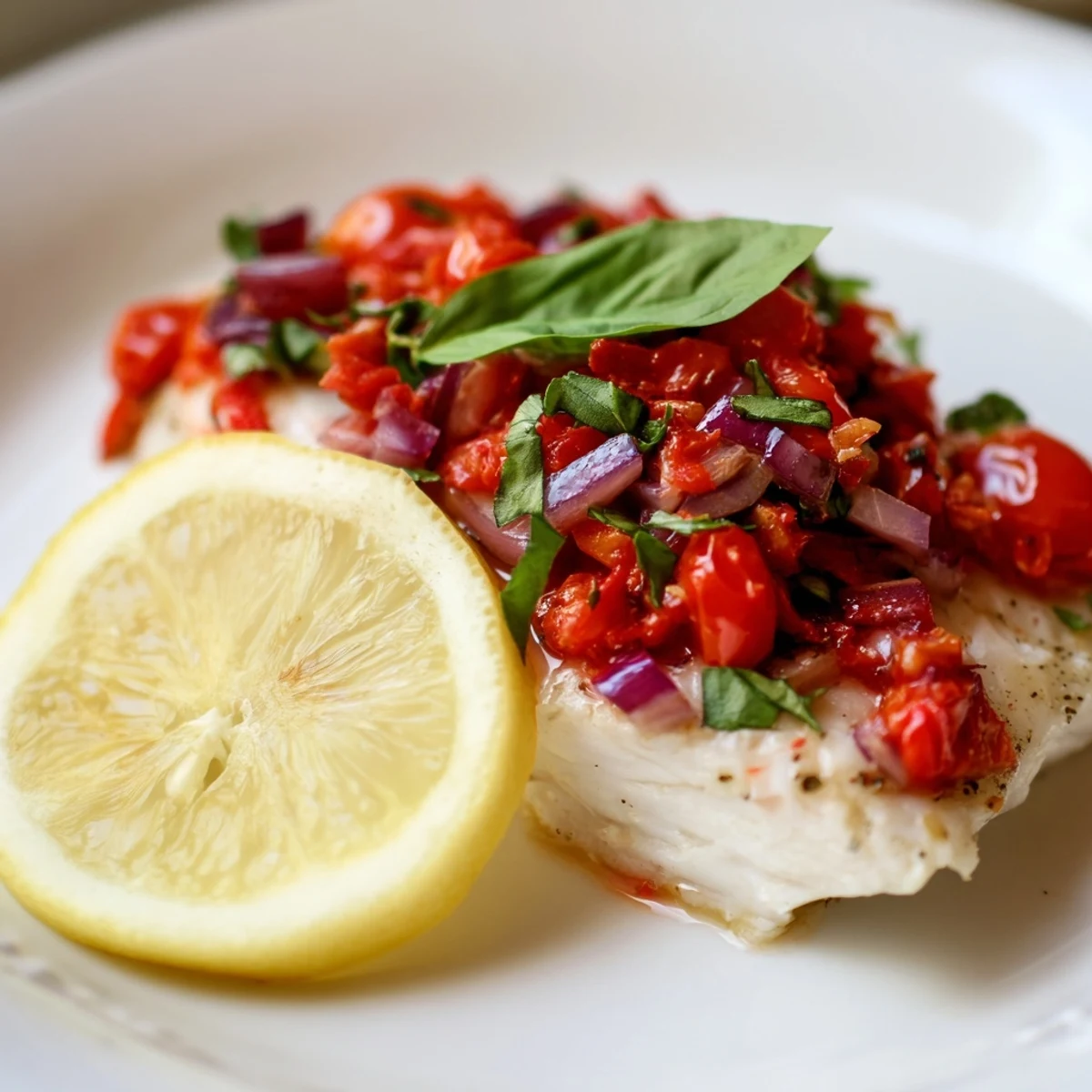
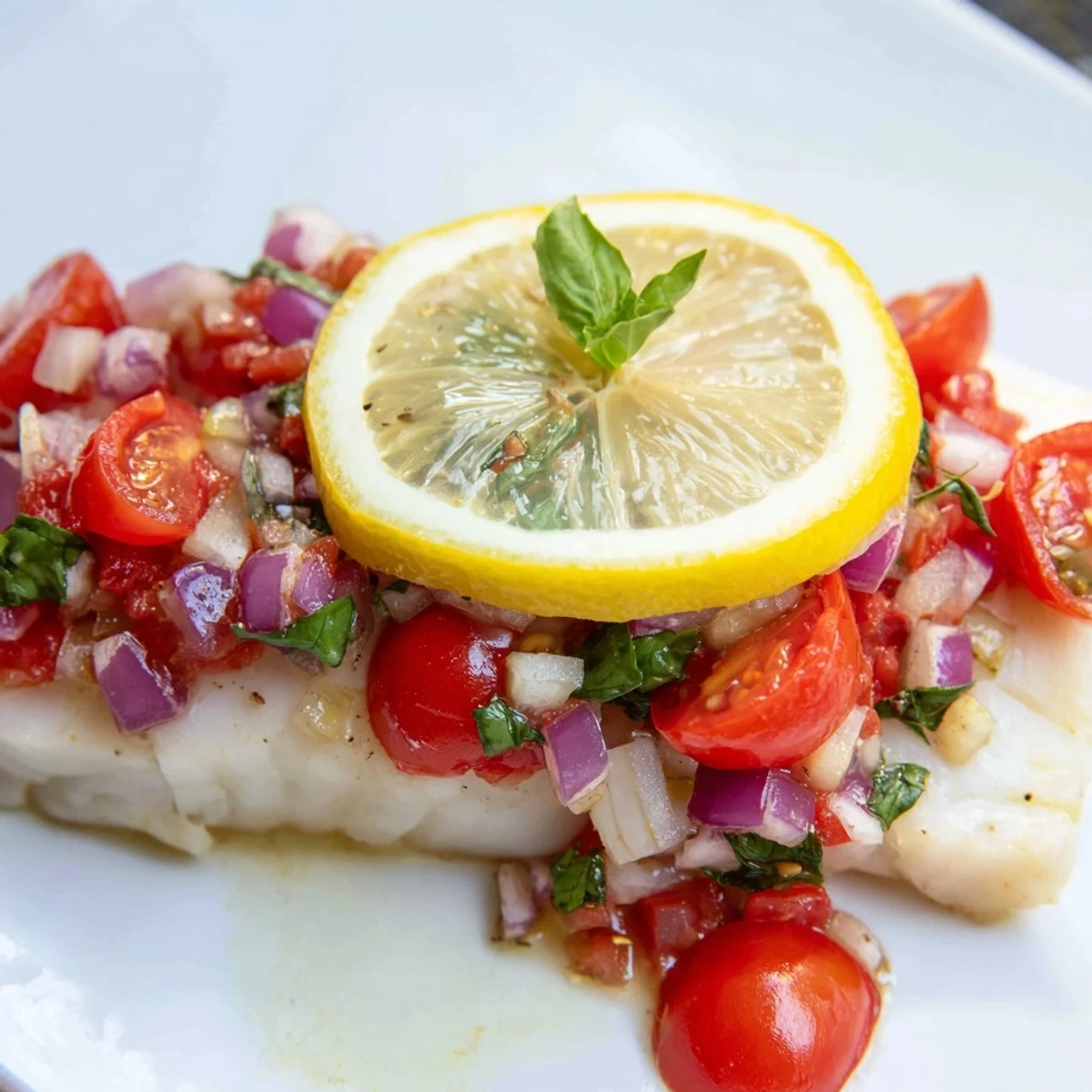
Save This dish features tender baked halibut fillets seasoned simply with olive oil, salt, and pepper, then topped with a bright, fresh relish made from cherry tomatoes, red onion, garlic, balsamic vinegar, and chopped basil. The bake time ensures the fish flakes easily while retaining moisture. Serve with lemon slices for a zesty finish. This combination delivers a light and flavorful Mediterranean-inspired meal suitable for a healthy diet.
I discovered this dish on an unremarkable Tuesday when my fishmonger mentioned a fresh halibut delivery that morning. Something about the way he described the delicate, buttery texture made me want to skip my usual chicken routine. By evening, I had those pristine fillets in my oven with nothing but olive oil, salt, and lemon—no fussy sauces needed. That simple approach taught me something about cooking: sometimes the best meals come from respecting what's already excellent rather than drowning it.
My neighbor invited herself over for dinner once, and I panicked—until I remembered this recipe. She watched me pull the fish from the oven, spoon that bright red relish across it, and suddenly I looked like I had my life together. The smell of basil and warm tomatoes filling the kitchen probably helped with that illusion. We ate with the back door open to the evening air, and she asked for the recipe before dessert.
Ingredients
- Halibut fillets: Look for thick, firm pieces without any gray discoloration—they're a sign of freshness and will cook more evenly.
- Olive oil: Use regular olive oil for brushing the fish and reserve the extra-virgin for the relish where its fruity notes really shine.
- Kosher salt and pepper: These season the fish itself, so don't skip this step even if the relish seems flavorful enough.
- Lemon: Sliced lemon goes right on top of the fish and infuses it with subtle citrus as it bakes.
- Cherry tomatoes: Quartered, not chopped to bits—you want them to stay somewhat intact and catch light on your plate.
- Red onion: Finely diced so it softens slightly in the acidity of the vinegar but still adds sharp bite and color.
- Balsamic vinegar: This is what balances the tomato sweetness and makes the whole relish taste intentional rather than just fresh.
- Garlic: One clove minced, not more—it should whisper in the background, not announce itself.
- Fresh basil: Tear or coarsely chop it by hand rather than cutting with a knife, which bruises the leaves and turns them dark.
Instructions
- Get your oven ready:
- Heat it to 400°F and give your baking dish a light coating of oil or line it with parchment. This step takes thirty seconds but saves you from fish sticking and makes cleanup almost painless.
- Prepare the halibut:
- Pat the fillets completely dry—this is where patience pays off because wet fish won't brown properly and the oil won't adhere. Brush both sides with olive oil and season generously with salt and pepper, letting your hand feel the grain of the fish as you season it.
- Arrange and bake:
- Place the fillets in your dish and lay lemon slices across and around them. Slide into the oven and set a timer for 15 minutes, though you'll want to check around the 13-minute mark—the fish is done when it flakes easily with a fork and the thickest part turns opaque.
- Make the relish while the fish cooks:
- In a bowl, combine tomatoes, red onion, extra-virgin olive oil, balsamic vinegar, garlic, salt, and pepper. Toss gently, then add the basil just before serving so it stays green and fragrant rather than becoming dark and sad.
- Come together on the plate:
- When the fish comes out of the oven, spoon the relish generously over each fillet and serve right away while everything is still warm and the basil hasn't wilted.
 Save
Save There's a moment in cooking when you realize the dish isn't about technique or perfect ingredients—it's about simplicity letting good things taste like themselves. This fish, that relish, the warmth of the oven on your face when you open the door—these small honest things made it feel like more than dinner.
Why This Tastes Like Restaurant Quality
Restaurants often charge premium prices for exactly this: fresh fish, simple seasoning, and a bright topping that makes it look intentional. You're doing the same work in your own kitchen, but somehow it tastes better because you know exactly where the fish came from and when it went into the oven. The secret isn't technique—it's respecting the ingredient so much that you don't interfere with it.
Variations That Keep It Interesting
Swap the halibut for cod or sea bass if that's what looks good at your fishmonger, and the whole dish still works beautifully. I've added a pinch of red pepper flakes to the relish on nights when I wanted something with more edge, and it makes the basil taste even fresher by comparison. One time I added a tiny splash of white wine to the bottom of the baking dish and the fish came out with this subtle complexity that lingered on the palate.
What to Serve Beside It
This fish doesn't demand much of a supporting cast—it wants simple vegetables that get out of the way. Steamed broccoli, sautéed green beans, or a handful of arugula with lemon and olive oil all let the halibut remain the main event. If you're feeling like something more substantial, a small bowl of rice soaks up that incredible relish and the light pan juices, turning a simple plate into something almost soup-like in its warmth.
- A crisp Sauvignon Blanc or Pinot Grigio is practically made for this meal, but even a cold beer works beautifully if that's what you're in the mood for.
- The relish also tastes amazing spooned over grilled chicken or roasted vegetables if you ever have leftovers and want to stretch this recipe into another night.
- Serve everything immediately while the fish is still warm and the basil hasn't started to wilt on the plate.
 Save
Save This meal reminds me that some of the best cooking comes from knowing when to stop fussing. Let good ingredients be themselves, cook them gently, and trust that simplicity is where elegance actually lives.
Questions & Answers
- → What type of fish is best for this dish?
-
Halibut fillets work wonderfully due to their firm texture, but cod or sea bass serve as good alternatives.
- → How do I know when the fish is perfectly baked?
-
The fish is done when it flakes easily with a fork and is opaque in the center, typically after 15-18 minutes at 400°F.
- → Can I prepare the tomato and basil relish ahead of time?
-
Yes, preparing the relish shortly before serving helps maintain its fresh flavors, but it can be made up to a few hours in advance.
- → What wine pairs well with this dish?
-
A crisp Sauvignon Blanc or a light Pinot Grigio complements the fresh flavors and lightness of the fish and relish.
- → How can I add a spicy kick to this meal?
-
Incorporate a pinch of red pepper flakes into the tomato and basil relish to add gentle heat without overpowering the dish.