
 Save
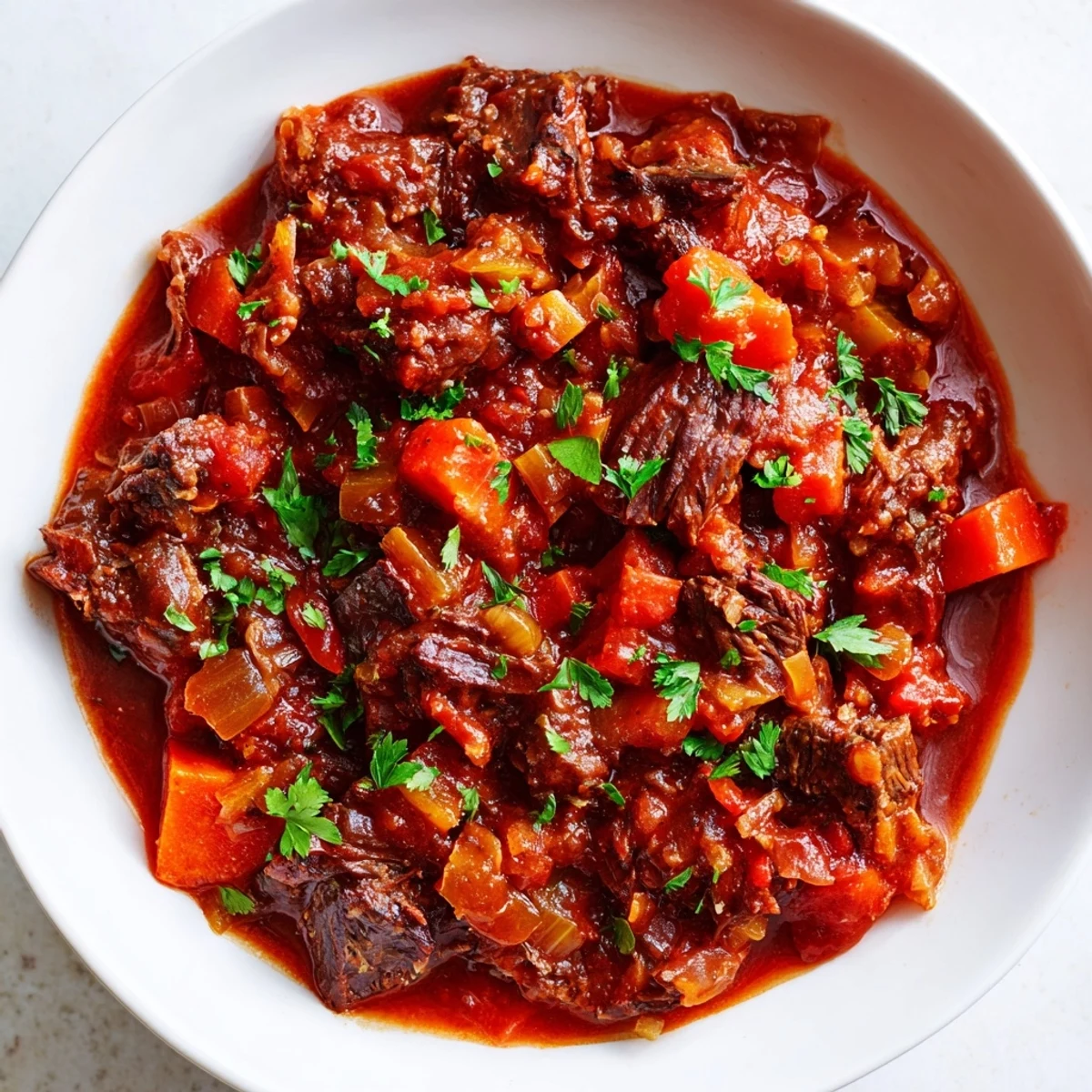
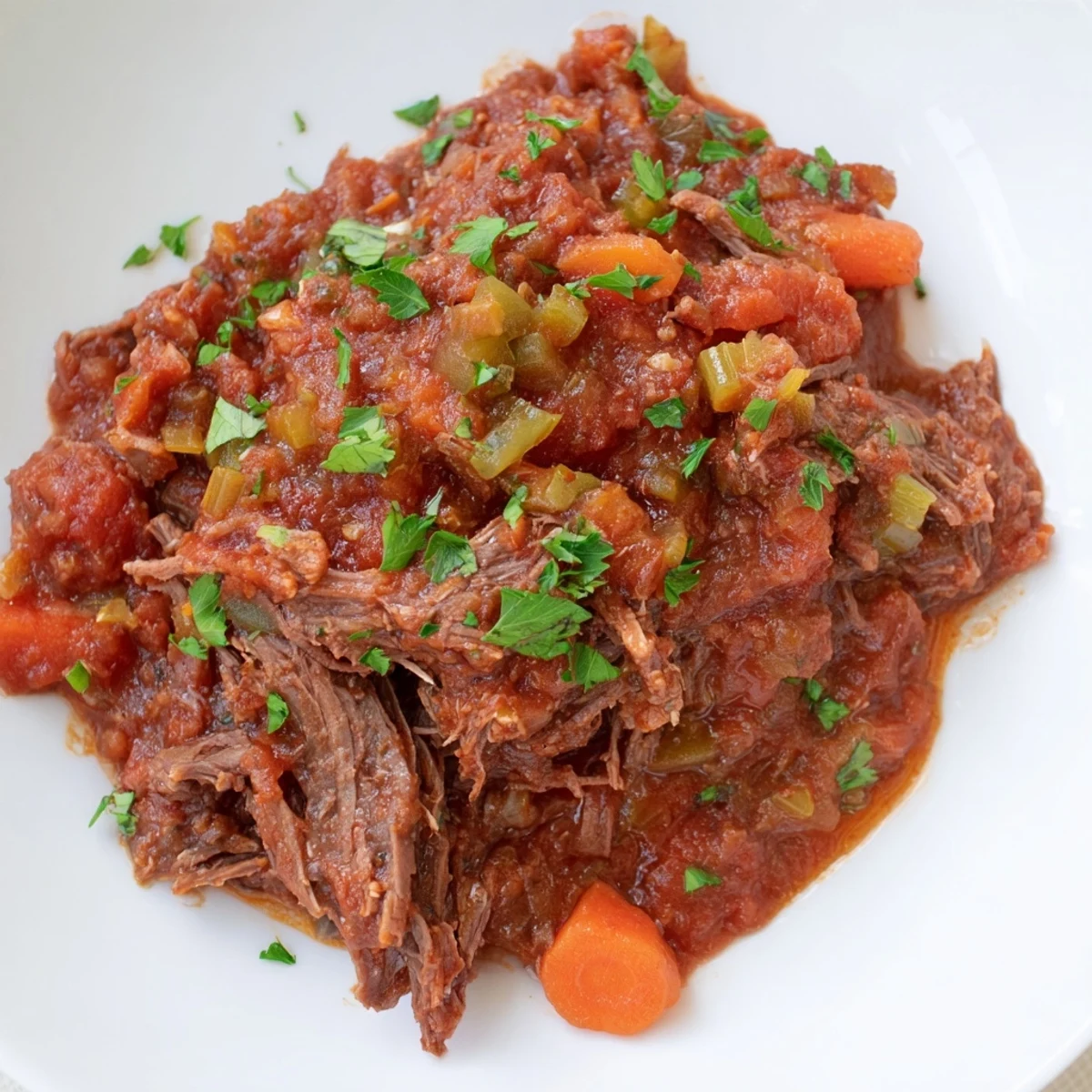
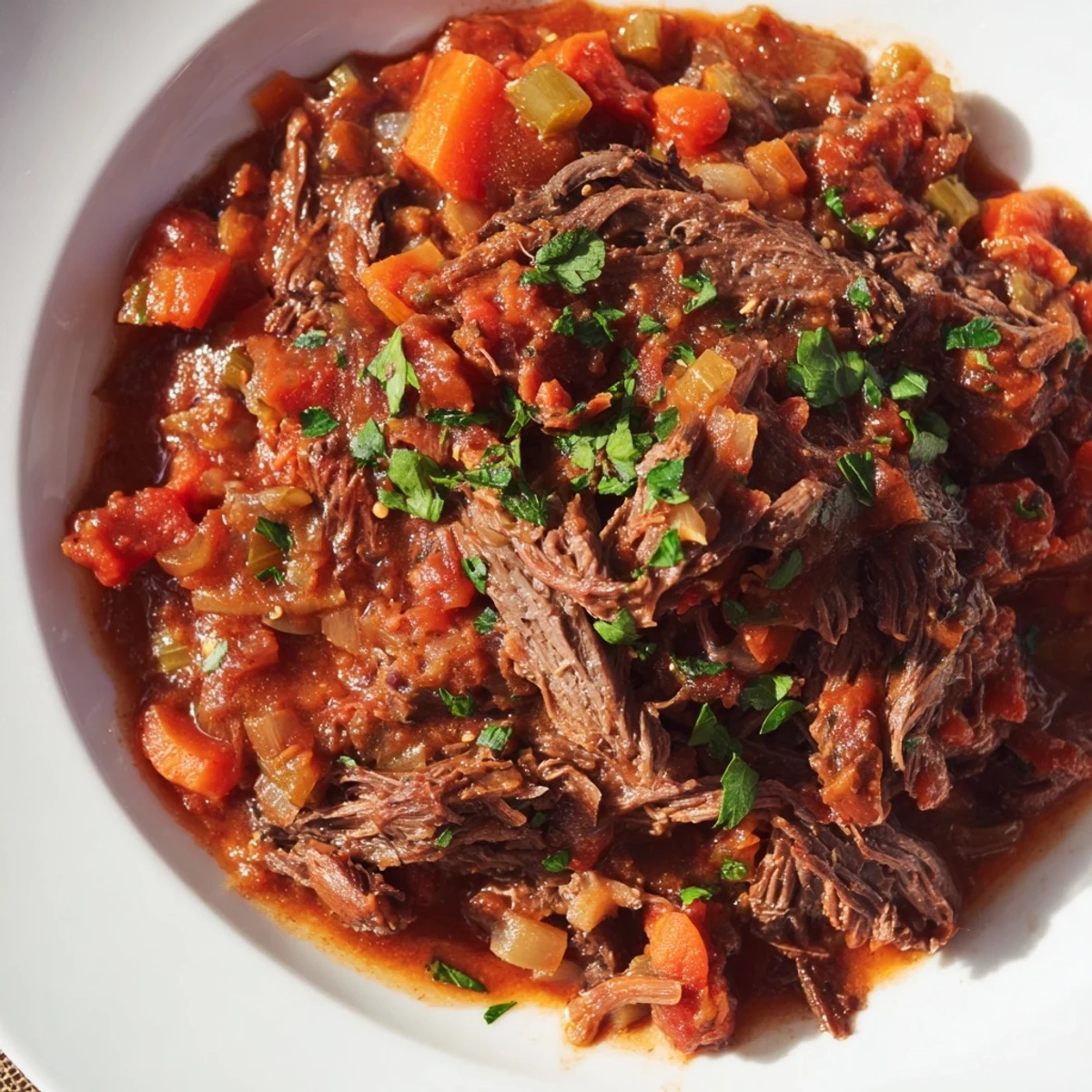
Save This dish features large chunks of beef slow-cooked to tender perfection in a rich tomato base enriched with red wine, garlic, and aromatic vegetables like onions, carrots, and celery. Dried herbs such as oregano, thyme, and bay leaves weave an Italian-inspired flavor, complemented by seasoning and optional crushed red pepper flakes for a subtle kick. After slow cooking, the beef is shredded gently and combined back into the sauce, creating a hearty and comforting meal best served over pasta or creamy polenta, garnished with fresh basil or parsley and optionally Parmesan cheese.
There's something about the smell of beef browning in a skillet that makes you feel like you're cooking something serious. I stumbled into this ragu on a cold Sunday when I had nowhere to be but the kitchen, with eight hours ahead of me and a chuck roast that needed rescuing from the back of the freezer. The slow cooker did most of the work, but that first sear of the meat, the way it released into the pan with a satisfying hiss, told me this was going to be worth the wait.
I remember making this for my partner's coworkers who were skeptical about slow cooker food until they tasted it, and the silence that followed was the best compliment I've ever received. That moment when someone goes back for thirds without asking what's in it, that's when you know you've nailed something.
Ingredients
- Beef chuck roast (1.5 kg): This cut has just enough marbling to keep the meat moist during those long hours of cooking, and it becomes almost buttery when it's done.
- Onions, garlic, carrots, and celery: This is your flavor foundation, the holy quartet that makes everything taste like home.
- Canned crushed tomatoes (800 g): Canned is actually better here than fresh because the tomatoes break down into a silky sauce without you having to do anything.
- Dry red wine (120 ml): Don't use anything you wouldn't drink, and don't skimp on this because it deepens everything in the most wonderful way.
- Tomato paste (2 tbsp): This is your secret weapon for richness, and a little goes a long way.
- Beef broth (240 ml): Use quality broth because it's one of your main liquids, and it will affect the final taste more than you'd think.
- Oregano and thyme: Dried herbs work perfectly here and actually become more concentrated as everything simmers.
- Bay leaves, salt, and pepper: Bay leaves add a subtle complexity, and seasoning in layers as you cook makes a real difference.
Instructions
- Prep your beef:
- Cut your chuck roast into large chunks, roughly the size of walnuts, and season them generously with salt and pepper. This isn't the time to be timid with seasoning.
- Sear if you have the time:
- Heat a large skillet over medium-high heat and brown the beef on all sides until it's deeply caramelized, about five minutes total. This step is optional but honestly worth doing because it builds flavor you can't get any other way.
- Build your base:
- Scatter your chopped onions, garlic, carrots, and celery across the bottom of your slow cooker like you're creating the foundation of something important. They'll soften and almost disappear into the sauce, adding body and sweetness.
- Layer the beef:
- Arrange your seared beef chunks on top of the vegetables, nestling them in like they're settling in for a long nap.
- Add the liquids and seasonings:
- Pour in your crushed tomatoes, red wine, and beef broth, then sprinkle over the oregano, thyme, bay leaves, and a pinch more salt and pepper. Stir everything gently just to combine, without breaking up the beef.
- Cook low and slow:
- Cover and cook on low for eight hours, or on high for about five if you're in a hurry. The house will smell incredible, and you'll keep peeking under the lid even though you know you shouldn't.
- Shred and finish:
- Fish out those bay leaves, then take two forks and gently shred the beef right in the cooker, stirring it into the sauce until everything is beautifully combined. Taste and adjust the seasoning, remembering that a pinch of salt at the end makes everything taste more like itself.
 Save
Save There was an evening when I served this ragu to a friend who was going through something difficult, and she ate three bowls while we talked about everything and nothing. Food like this has a way of settling people, of making them feel tended to in a way that matters.
Serving Suggestions
The traditional route is pasta, and this ragu clings to ribbon pasta in the most satisfying way, but don't overlook creamy polenta or even crusty bread for soaking up every last bit of sauce. I've also stirred it into risotto on nights when I wanted something different, and it transforms into something entirely new.
Make It Your Own
The beauty of this recipe is that it's forgiving enough to bend to whatever you have on hand. If you don't have red wine, use a splash of balsamic vinegar instead, or just skip it and add an extra half cup of broth.
- Pork shoulder works beautifully here if beef isn't in your plans.
- A handful of fresh mushrooms added at the beginning deepens the earthiness without overwhelming anything.
- If you're serving people with dairy restrictions, this is naturally great alongside polenta or rice, and the Parmesan is entirely optional.
Storage and Leftovers
This ragu actually gets better the next day after everything has settled and melded together, so don't hesitate to make it ahead. It keeps in the refrigerator for about four days, and freezes beautifully for up to three months.
 Save
Save This ragu is the kind of recipe that reminds you why you have a slow cooker in the first place. Let it do what it does best, and you'll have something that tastes like you've been cooking all day.
Questions & Answers
- → How long should I slow-cook the beef for best tenderness?
-
Cooking on low for 8 hours or high for 5 hours allows the beef to become tender and easily shredded.
- → Can I skip searing the beef before slow cooking?
-
Searing is optional but greatly enhances flavor by browning the meat before cooking.
- → What sides pair well with this slow-cooked beef dish?
-
Traditional pairings include pasta like tagliatelle or creamy polenta, both ideal for soaking up the sauce.
- → Are there any recommended herbs to use in this preparation?
-
Dried oregano, thyme, and bay leaves complement the tomato-based sauce with robust Italian aromas.
- → How can I add extra richness to the finished dish?
-
Stirring in a splash of balsamic vinegar before serving can add depth and balance to the flavors.