
 Save
Save This savory gravy blends a buttery roux with finely chopped onions and garlic, gradually whisked with stock to create a smooth, flavorful sauce. Optional soy and Worcestershire sauces add depth while herbs like thyme or sage bring aromatic highlights. Perfect warm over roasted meats, mashed potatoes, or vegetables, this sauce can be easily adapted to vegetarian or gluten-free needs. Preparation takes just 20 minutes with common kitchen tools, delivering a comforting, rich addition to any meal.
I still remember the first Thanksgiving I hosted at my tiny apartment, standing in front of the stove with barely any cooking experience. My grandmother had always made the most incredible gravy—silky, deeply flavored, and somehow transformative over plain mashed potatoes. I was terrified I'd mess it up, but she'd given me this simple technique that changed everything: start with butter and onions, build your base slowly, and let the stock whisper its flavor in. That first batch was honestly perfect, and now whenever I make gravy, I'm transported back to that moment of surprising myself.
I'll never forget the Christmas when my partner's sister brought her new family over and their toddler took one taste of the roasted vegetables drowning in this gravy and asked for seconds of vegetables. We all laughed, realizing that good gravy is basically a flavor amplifier that makes people fall in love with whatever's on their plate.
Ingredients
- Beef or chicken stock (2 cups): This is your flavor foundation. I prefer beef stock for roasted meats because it echoes their richness, but honestly, whatever stock is in your pantry will work beautifully. If you're cooking vegetarian, vegetable stock is just as delicious and gives you a lighter, cleaner base.
- Unsalted butter (2 tablespoons): Never use salted butter for gravy because you'll end up over-salting by the end. Butter is where the flavor journey begins, so take a moment to let it melt slowly and smell that nutty, toasted aroma.
- All-purpose flour (2 tablespoons): This creates your roux, which thickens the gravy and gives it that velvety texture. Don't skip this step or rush it.
- Onion and garlic: These two are the reason your gravy tastes homemade. The onion softens into the background while the garlic adds a whisper of depth. Chop them finely so they practically melt into the sauce.
- Soy sauce and Worcestershire sauce (1 teaspoon each, optional but worth it): These are the secret weapons I learned about from an old cooking show. They don't make your gravy taste like soy sauce—they add an umami depth that makes people say 'this is incredible' without knowing why.
- Black pepper, salt, and dried herbs (½ teaspoon each): Season gradually and taste as you go. I learned the hard way that oversalting gravy is easier than you'd think, and there's no fix once it's done.
Instructions
- Melt the butter and soften the aromatics:
- Over medium heat, let the butter become golden and foamy. Add your finely chopped onion and cook gently for about 3 minutes, stirring occasionally. You're not trying to caramelize it—you want it soft and translucent. After those 3 minutes, add the minced garlic and stir for just 30 seconds until the smell fills your kitchen and tells you it's ready for the next step.
- Make your roux:
- Sprinkle the flour over the onions and garlic, and here's where patience matters. Stir constantly, breaking up any lumps, for 1 to 2 minutes. You're looking for the mixture to turn a light golden color, like sand on a beach. This cook-time is crucial because it removes the raw flour taste and lets your roux develop flavor.
- Add the stock slowly:
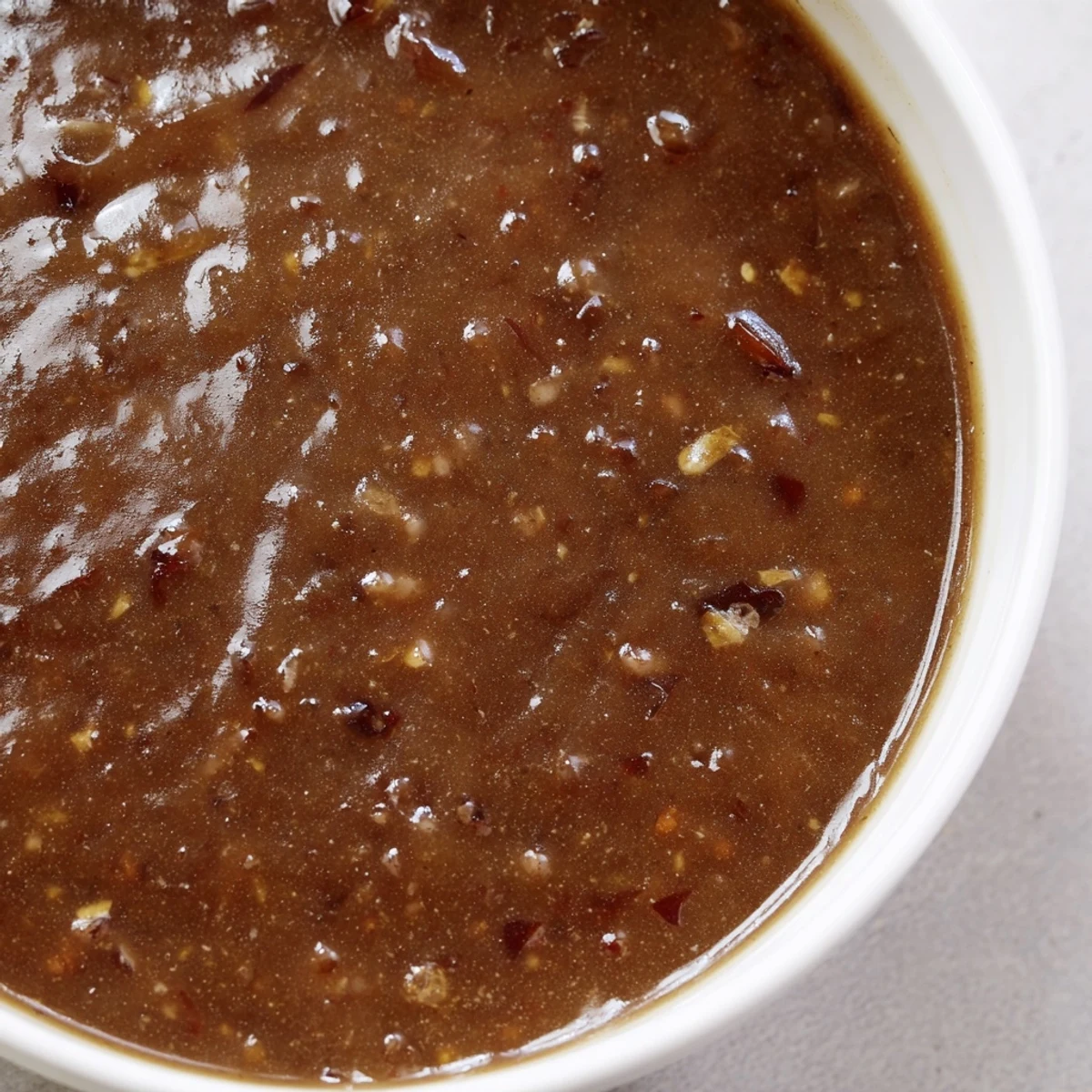
- This is the moment that scares most people, but it's actually the easiest part if you do it right. Pour the stock in gradually while whisking constantly. The whisking prevents lumps from forming. Go slow, feel the mixture come together, and trust the process. You should end up with something smooth and lump-free.
- Season and simmer:
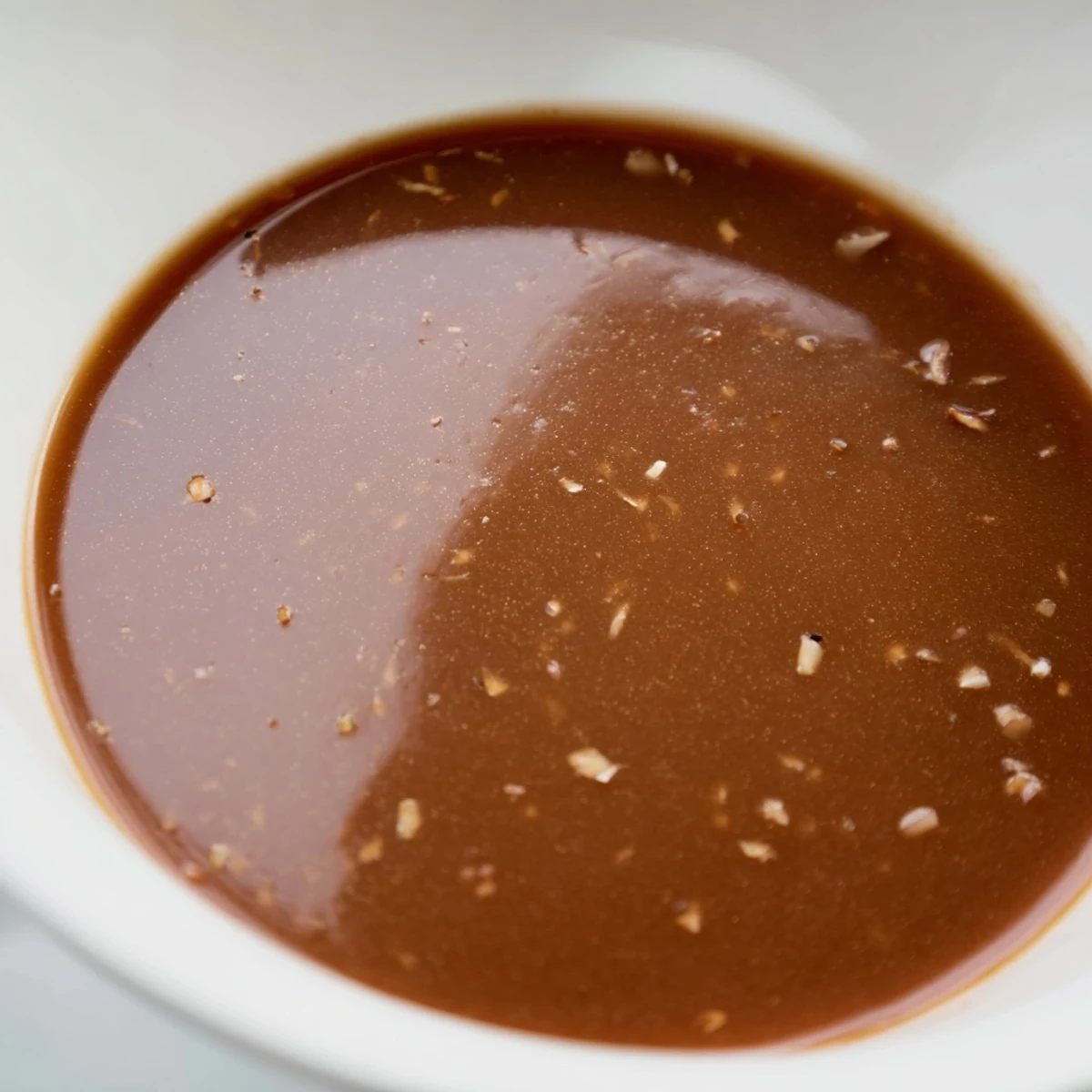
- Once the stock is fully incorporated, add your soy sauce, Worcestershire sauce, pepper, salt, and any herbs you're using. Give it a good stir, then turn the heat to medium-low and let it simmer gently. You'll see it thicken gradually over 8 to 10 minutes. Stir frequently so nothing sticks to the bottom, and watch as the gravy transforms from thin liquid to silky sauce.
- Taste and finish:
- Before you serve, taste a tiny spoonful. Does it need more salt? A pinch of pepper? A hint of herbs? Adjust as needed. If you want an extra-smooth gravy, pour it through a fine-mesh strainer to catch the onion pieces. If you like it rustic and textured, skip this step. Either way, serve it hot and watch people's faces light up.
 Save
Save There's a moment every holiday when someone pours this gravy over their plate and closes their eyes in satisfaction. That's when you know you've done something right. Gravy might seem like a supporting player, but it's the thing people remember and ask you to make again.
The Secret Depth You Didn't Know You Could Add
I used to make gravy the 'correct' way for years until I read about umami and how those optional condiments actually work. Soy sauce and Worcestershire sauce aren't about making your gravy taste like those ingredients—they're about amplifying the savory depth that's already there. It's like turning up the volume on flavors that were always present but invisible. Once I understood this, my gravy went from good to remarkable, and people started asking if I'd added something special. I hadn't, really. I'd just learned to use what was already available.
Making It Your Own
The beautiful thing about this gravy is that it's truly adaptable. I've made vegetarian versions for friends who don't eat meat, and they're just as satisfying. I've made it with cream for richer occasions, with fresh thyme from my garden when I had it, and even with a splash of red wine once when I was feeling adventurous. The technique stays the same, but the variations are endless. What matters is understanding the why behind each step so you can confidently improvise.
Timing and Make-Ahead Magic
One of my favorite discoveries about gravy is that it reheats beautifully, which takes so much pressure off holiday cooking. I'll make it 30 minutes before serving, pour it into a small pot, and just keep it warm on the back of the stove. If it sits too long and thickens, a splash of warm stock brings it back to the right consistency. This flexibility is why I've learned to embrace gravy-making instead of dreading it.
- Make gravy up to 2 hours ahead and reheat gently over low heat, whisking in a splash of warm stock if it's too thick.
- If your gravy breaks or becomes lumpy, pour it through a fine-mesh strainer and start fresh, or whisk in a bit of cold stock to smooth it out.
- Leftover gravy keeps in the refrigerator for up to 3 days and freezes beautifully for up to 3 months—future you will be grateful.
 Save
Save Gravy is one of those simple things that makes cooking feel like magic. Make this once, taste how silky and rich it becomes, and you'll understand why my grandmother guarded her technique so carefully.
Questions & Answers
- → Can I make this sauce vegetarian?
-
Yes, substitute vegetable stock for meat stock and omit Worcestershire sauce or use a vegetarian version to keep it meat-free.
- → What is the best thickening agent for this sauce?
-
All-purpose flour is used to create the roux that thickens the sauce, but cornstarch can be used as a gluten-free substitute.
- → How do I avoid lumps when adding stock?
-
Gradually whisk the stock into the roux while stirring constantly to ensure a smooth, lump-free sauce.
- → Can I add extra richness to the sauce?
-
A splash of cream can be added after cooking for a richer, creamier texture and flavor.
- → Is it necessary to strain the sauce?
-
Straining is optional but recommended if you prefer an ultra-smooth texture without onion or garlic bits.
- → How long does the sauce need to simmer?
-
Simmer the sauce for 8–10 minutes while stirring frequently until it thickens to your desired consistency.