
 Save
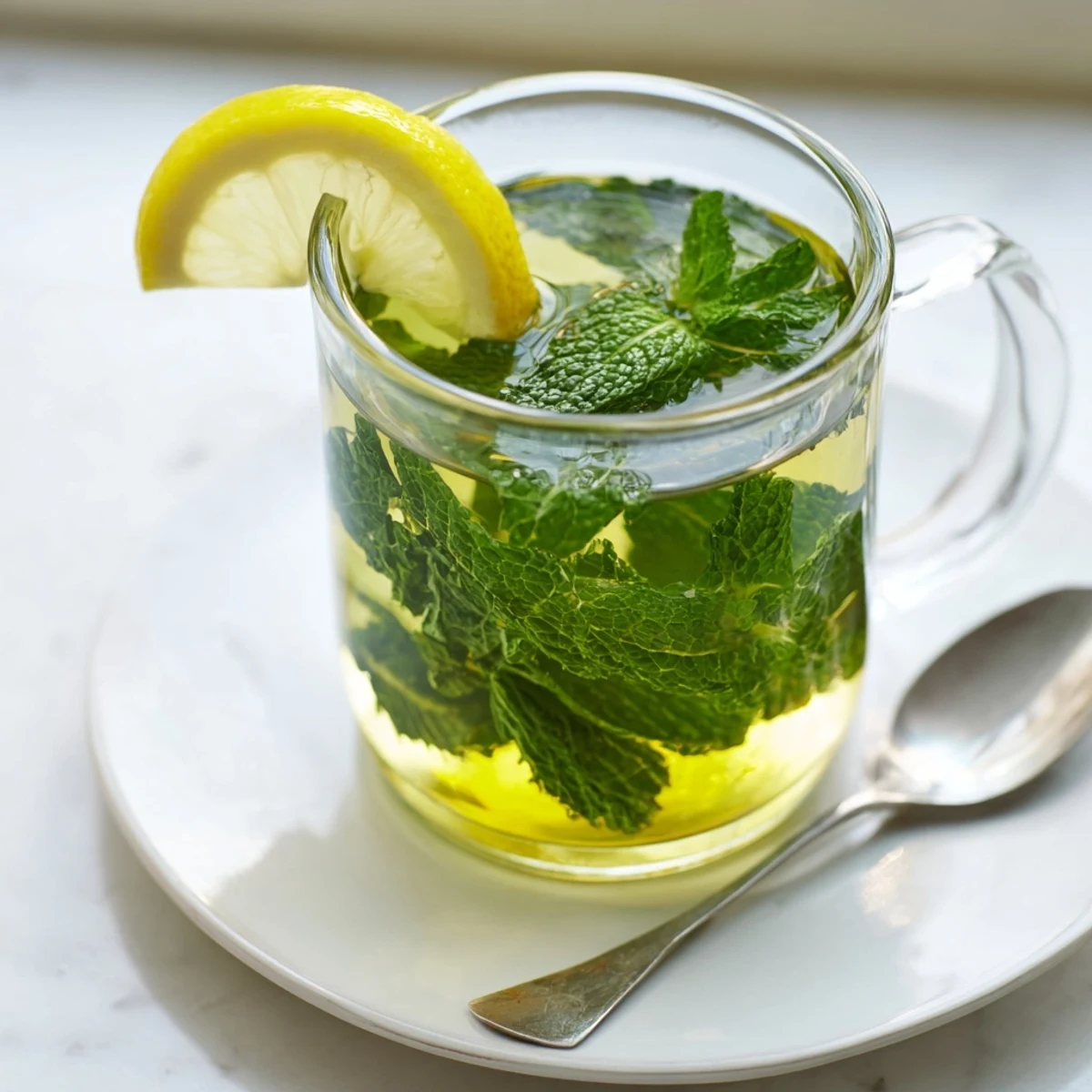
Save This peppermint hot tea combines fresh or dried peppermint leaves steeped in hot water to create a soothing and aromatic beverage. Its digestive benefits and calming properties make it ideal for relaxation. Optional natural sweeteners like honey or agave syrup enhance its flavor, while a touch of lemon adds brightness. Steeping time can be adjusted for stronger taste, and it also serves well iced for warmer days.
I first discovered the magic of peppermint tea on a gray winter afternoon when my grandmother pressed a steaming cup into my hands and told me it would fix whatever ailed me. I was skeptical at first—just leaves and hot water—but that first sip changed everything. The way the warmth spread through my chest, the bright herbaceous notes that seemed to clear my mind instantly, it felt like a gentle hug from the inside. Now, whenever life feels overwhelming or my stomach needs settling, I find myself reaching for fresh peppermint leaves and remembering that sometimes the simplest remedies are the most profound.
I'll never forget the first time I made this for my best friend during one of her stressful work weeks. She arrived at my door looking completely frazzled, and I had the kettle already warming. When I placed that cup in front of her with a fresh lemon slice floating on top, she took one sip and literally closed her eyes. "How is this so good?" she asked. That single cup of peppermint tea became our ritual on hard days, and now whenever she needs grounding, she knows exactly what to make.
Ingredients
- Fresh or dried peppermint leaves: The heart of this tea—fresh leaves give you a brighter, more vibrant flavor that feels alive on your tongue, while dried leaves create a deeper, more concentrated minty warmth. I always keep dried leaves on hand for those moments when fresh isn't available, but if you can find fresh, it's worth seeking out. Two tablespoons of fresh is roughly equivalent to two teaspoons dried.
- Water: Use filtered if you can—it lets the peppermint shine without competing with chlorine or mineral notes. The quality of your water genuinely matters when you're making something this simple.
- Honey or agave syrup: Optional but lovely—this isn't about sweetness overpowering the mint, but rather a gentle background note that rounds out the sharpness slightly.
- Lemon slice: A small touch that adds brightness and pairs beautifully with peppermint's cool notes, making the whole experience feel more complete.
Instructions
- Rinse your peppermint leaves:
- This gentle step matters more than you'd think. Hold your fresh leaves under cool water, letting it cascade over them. You're not just cleaning them—you're waking them up, releasing some of their essential oils. If using dried leaves, a quick rinse still helps awaken their flavor.
- Heat your water gently:
- Bring it to a gentle boil in your saucepan or kettle—not a rolling, aggressive boil, but that moment when you see steam rising and small bubbles forming. This gentleness matters because peppermint's delicate oils deserve respect.
- Add leaves to your vessel:
- Whether you're using a teapot or pouring straight into your favorite mug, add your rinsed peppermint leaves now. If using a mug, you'll need a fine mesh strainer later, but honestly, I love the ritual of leaves floating freely in a clear glass cup.
- Pour with intention:
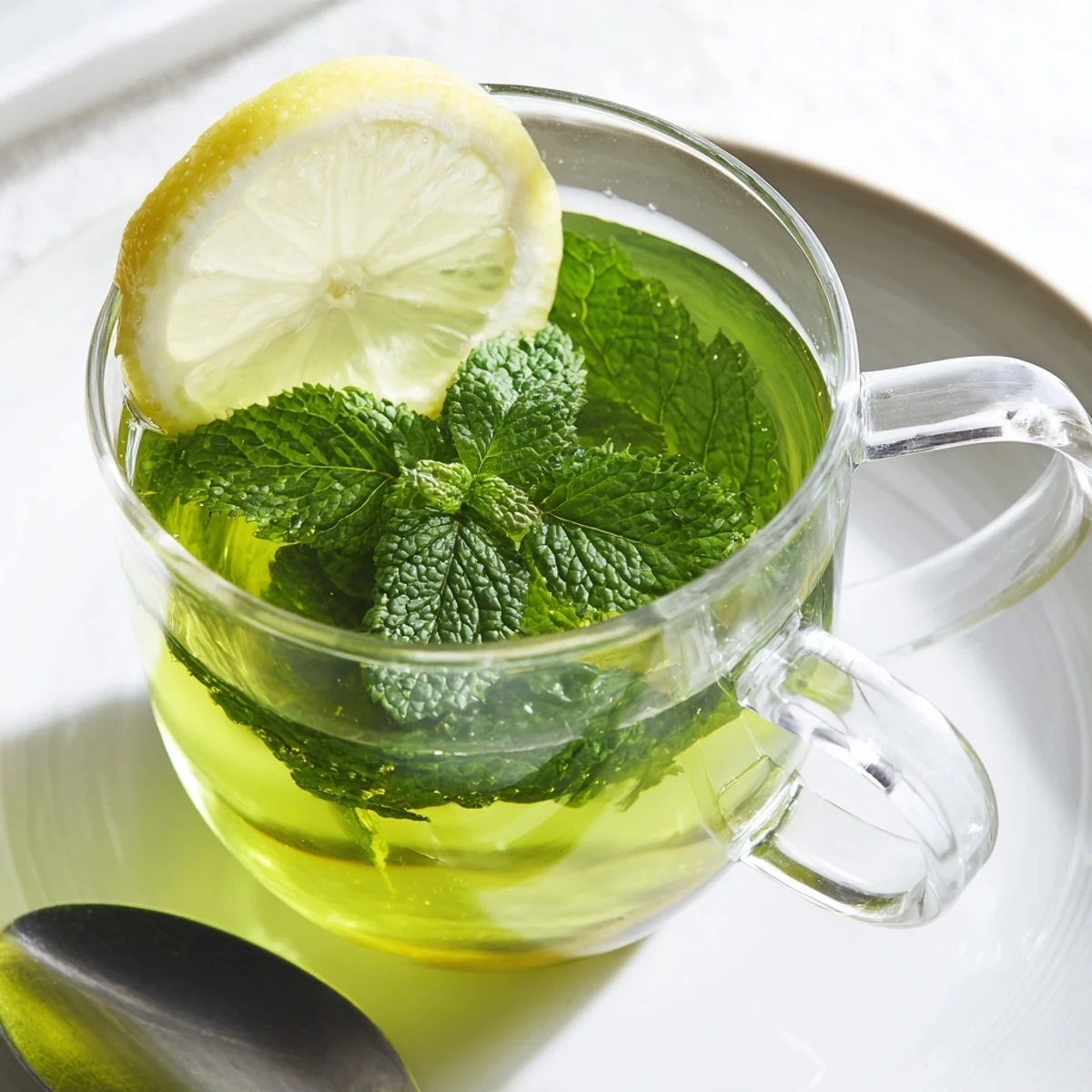
- Watch as the hot water meets the green leaves and they begin their transformation. The water will start turning pale green almost immediately, like it's drawing out the plant's secrets. Pour slowly enough to enjoy this moment.
- Cover and steep patiently:
- Let your tea rest undisturbed for five minutes. This is your time too—step away from your phone, just listen to the quiet of the steeping tea. The flavors are deepening with each passing second.
- Strain if needed and serve:
- If you used loose leaves in a mug, carefully pour your tea through a fine mesh strainer into a clean cup. Stir in your honey or agave if you're using it, add that lemon slice, and bring it to your lips while it's still steaming. Breathe in the aroma first—this is part of the experience.
 Save
Save There's something almost sacred about peppermint tea that goes beyond the simple ingredients. My mother used to make it for me when I had a difficult day at school, and I realize now that she wasn't just soothing my stomach—she was teaching me that caring for yourself looks like pausing, steeping something slowly, and taking time to just breathe. Every cup I make now feels like I'm passing that kindness forward.
Fresh Versus Dried—Knowing the Difference
I spent years assuming all peppermint was created equal until a friend with a thriving herb garden handed me a handful of fresh leaves from her backyard. The difference was immediate and undeniable. Fresh peppermint carries a brightness and complexity that dried simply cannot replicate—there's a peppery quality alongside the mint sweetness that feels more alive. Dried peppermint, on the other hand, offers consistency and concentration. It's more intense, sometimes almost sharp. Both are beautiful in their own ways, but knowing which you're reaching for matters. Fresh is your everyday luxury when available; dried is your dependable friend who's always there. I keep both in my kitchen because sometimes what you need is the complexity of fresh, and sometimes you need the bold comfort of what's been preserved.
The Ritual of Steeping
One of my favorite discoveries came accidentally when I began paying attention to what steeping actually does. Those five minutes aren't just about extracting flavor—they're about transformation. You're watching plant matter surrender to heat and water, slowly releasing centuries of accumulated benefit. The first minute your tea is pale and delicate. By minute three, it's developed a deeper color and more presence. At minute five, you've found that perfect balance between subtle and satisfying. I've learned that this same patience applies to many things in life, and peppermint tea became my teacher in slowing down. Sometimes I'll watch the whole process unfold, and it becomes meditation without me even trying.
Serving Suggestions and Seasonal Magic
Once you've mastered the basic peppermint tea, a whole world of possibilities opens up. I love adding a stick of cinnamon for warmth during cold months, or muddling a few fresh basil leaves in summer for something unexpected. The notes in your kitchen guide say you can blend it with chamomile or lemon balm, and honestly, these combinations turned ordinary evenings into something special. But here's what changed everything for me: serving it iced on warm days with a sprig of fresh mint and a handful of ice made peppermint tea my go-to refreshment that still carries all its digestive and calming benefits. It's become my answer to sugary sodas when I want something that actually makes me feel good.
- Try steeping a vanilla pod alongside your peppermint for subtle sweetness that doesn't require added honey
- Add a slice of fresh ginger for a warming kick that complements the peppermint beautifully
- Experiment with serving temperatures—sometimes the same tea tastes completely different when it's piping hot versus gently cooled
 Save
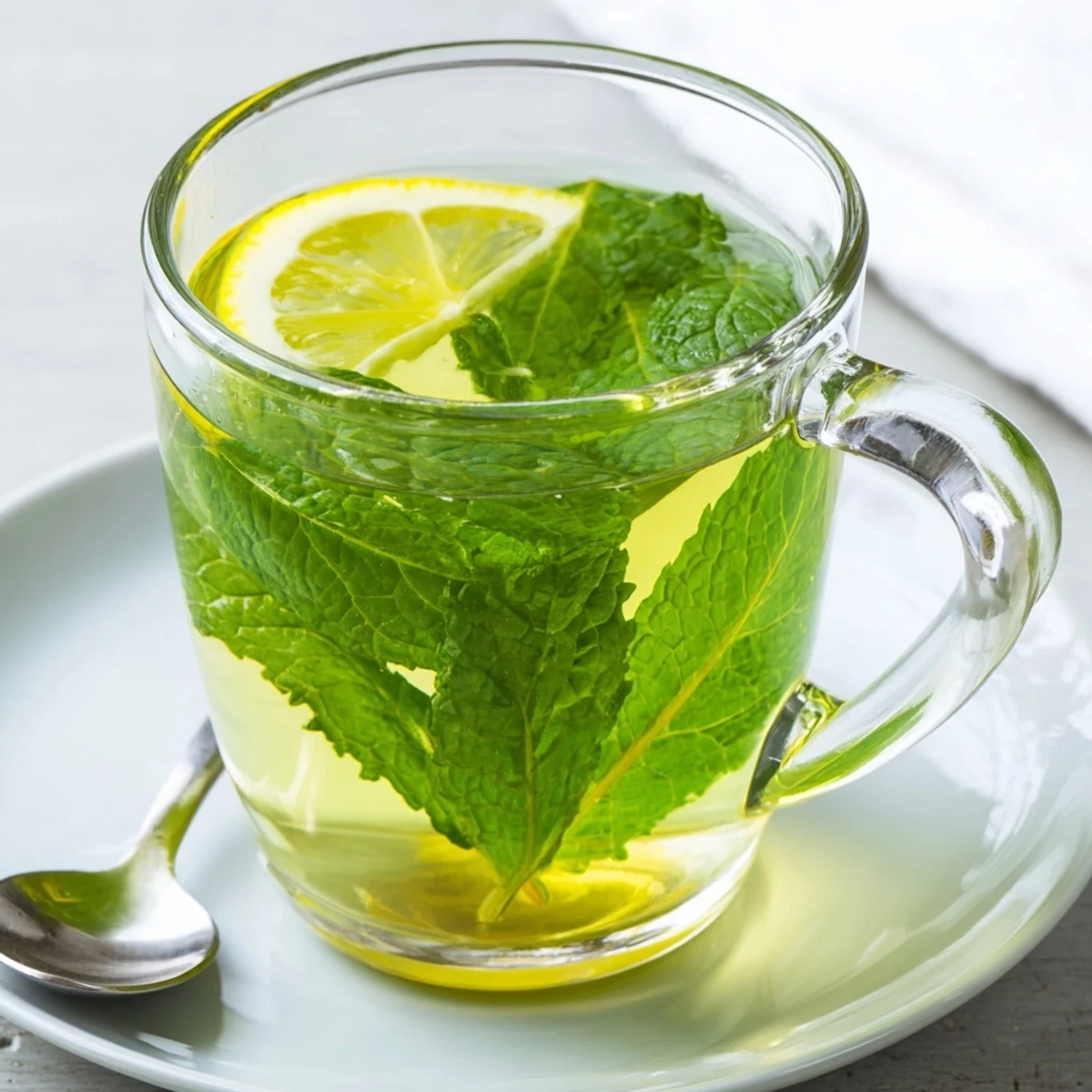
Save Making peppermint tea is one of those rare recipes that reminds you why cooking matters in the first place. It's not about impressing anyone or following complicated techniques—it's simply about taking a few moments to care for yourself and the people you love. Every time you steep a cup, you're participating in something ancient and true.
Questions & Answers
- → How long should peppermint leaves steep?
-
Steep peppermint leaves for about 5 minutes for a mild flavor, or up to 10 minutes for a stronger infusion.
- → Can fresh and dried peppermint leaves be used interchangeably?
-
Yes, fresh peppermint leaves provide vibrant flavor, while dried leaves offer convenience and a more concentrated taste.
- → What sweeteners complement peppermint infusion?
-
Natural sweeteners such as honey or agave syrup gently enhance the minty aroma without overpowering the drink.
- → Is lemon a good addition to peppermint infusions?
-
A lemon slice can add a refreshing citrus note, balancing the coolness of the peppermint.
- → Can this infusion be served cold?
-
Yes, chilling the brewed peppermint infusion creates a refreshing iced beverage perfect for warm weather.