
 Save
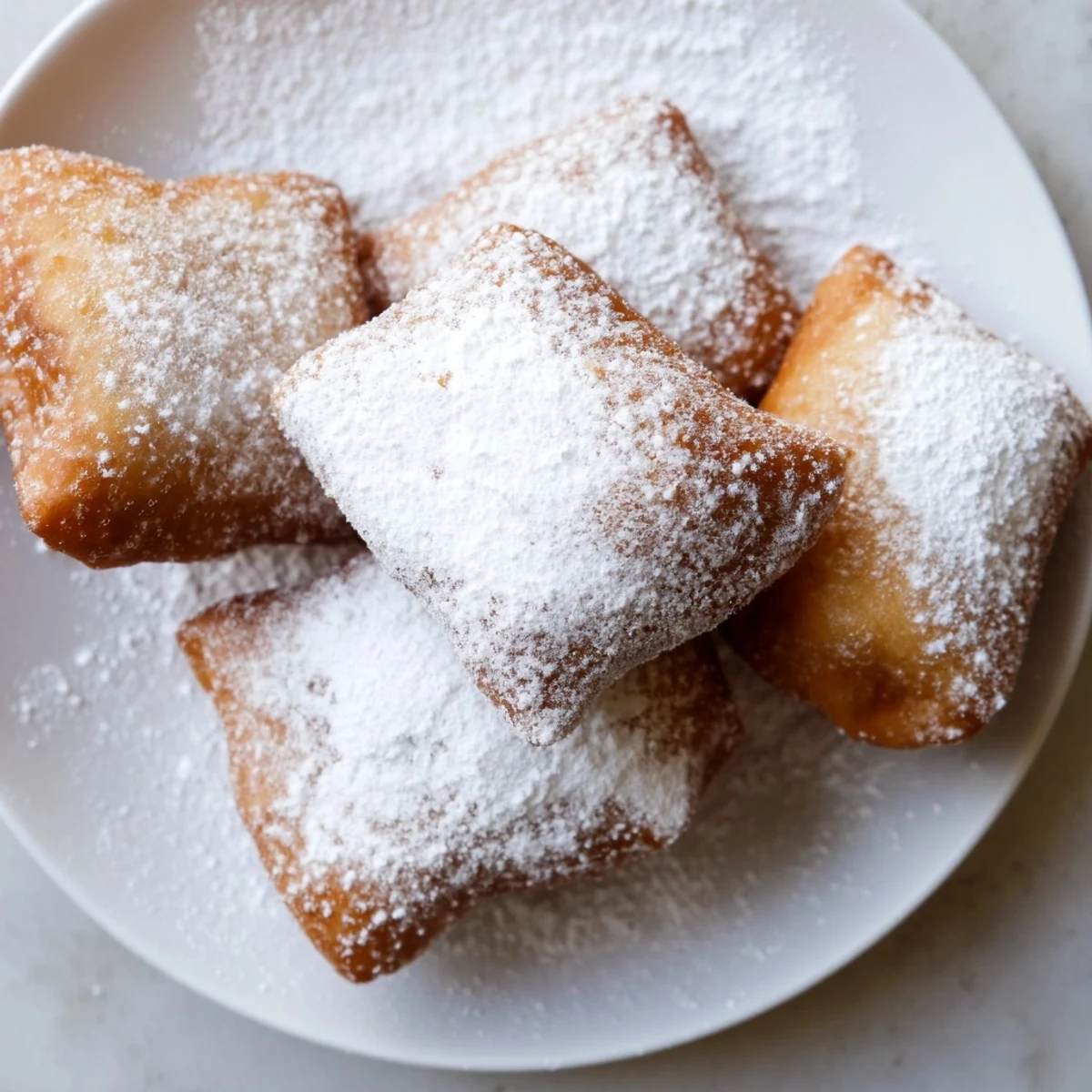
Save Authentic New Orleans beignets are pillowy squares of yeasted dough, deep-fried until golden and puffed, then lavishly dusted with powdered sugar. This 2-hour preparation yields 24 delightful beignets that balance tender crumb with crispy exteriors.
The process begins with activating yeast in warm milk, then combining with eggs, butter, and flour to create a soft, elastic dough. After rising for 1-1.5 hours, the dough is rolled, cut into squares, and fried at 350°F until golden. Serve warm with traditional café au lait for an authentic New Orleans experience.
The heady aroma of fried dough and powdered sugar always transports me to the last Mardi Gras party I hosted. My kitchen windows fogged with steam as friends crowded around, waiting for that first batch of beignets to emerge from the bubbling oil. The ritual of shaking powdered sugar over those golden pillows became almost hypnotic, covering my dark countertops in a dusting that looked like fresh snow.
Last February, my sister visited from Chicago during a particularly cold spell. We decided to bring the warmth of New Orleans to us by making beignets while jazz played through the kitchen speakers. Between batches, we danced around with powdered sugar on our chins, laughing as the white clouds billowed up with each bite.
Ingredients
- Active Dry Yeast: Think of yeast as the unsung hero here - I learned that giving it those full five minutes to bloom in warm milk makes all the difference between dense squares and ethereal pillows.
- All-Purpose Flour: After experimenting with fancier flours, I discovered regular all-purpose gives the perfect structure while maintaining tenderness.
- Powdered Sugar: Be wildly generous here - these aren't meant for a delicate dusting but rather a sweet snowstorm that leaves evidence on your shirt.
- Vegetable Oil: The temperature is crucial, so use a deep-fry thermometer if you have one - too cool and they absorb grease, too hot and the outside burns before the inside cooks.
Instructions
- Wake Up Your Yeast:
- Combine that warm milk, yeast and a tablespoon of sugar in a small bowl, then wait patiently until it foams up like a science experiment gone right. You should see bubbles forming after about five minutes.
- Mix Your Wet Dream Team:
- In your largest bowl, whisk together the remaining sugar, eggs, melted butter, salt, and vanilla until they become fast friends. Stir in your foamy yeast mixture, inhaling that distinctive bread-beginning scent.
- Build Your Dough:
- Add flour gradually while stirring until you get a sticky dough that pulls together but still feels alive. Turn it onto a floured surface and work it with your hands until smooth - this is remarkably therapeutic after a long day.
- First Rest Period:
- Tuck your dough into a greased bowl like it's going for a nap, covering it with a clean kitchen towel. Let it rise in the warmest spot in your kitchen until it doubles in size, which usually takes about an hour to an hour and a half.
- Shape Your Future Joy:
- Punch down the dough with a satisfying thwack, then roll it out on a floured surface to about half an inch thickness. Cut into two-inch squares with a sharp knife or pizza cutter - no need for fancy equipment here.
- The Transformation:
- Heat your oil to exactly 350°F in a heavy pot - I use a Dutch oven for even heating. Drop a few squares in at a time and watch the magic as they puff and turn golden, flipping once with a slotted spoon.
- The Finale:
- Scoop those golden beauties onto paper towels to drain, then immediately shake powdered sugar over them with glorious abandon. The sugar should melt slightly into the hot surface, creating that signature beignet finish.
 Save
Save One particularly memorable Sunday morning, I surprised my husband with fresh beignets and coffee after he had been working overnight shifts for a week. The look on his face as he bit into that first sugar-coated square, closed his eyes and leaned back in his chair told me everything - sometimes the simplest foods carry the most meaning.
The Perfect Accompaniment
While beignets are glorious on their own, pairing them with café au lait creates that authentic New Orleans experience. I mix strong coffee with hot milk in equal parts, sometimes adding a touch of chicory if I can find it. The bitter coffee cuts through the sweetness of the beignets, creating a balance that makes it impossible to stop at just one.
Making Ahead Options
One winter when hosting a brunch party, I discovered you can prepare the dough the night before and let it rise slowly in the refrigerator. The cold rise actually develops a more complex flavor, though youll need to let the dough come to room temperature before rolling and cutting. This slow-rise method became my secret weapon for stress-free entertaining.
Serving With Style
Presentation becomes part of the experience with beignets, and I learned this from watching street vendors in New Orleans. Instead of trying to keep things neat, I embrace the beautiful mess by serving them in paper bags with additional powdered sugar for shaking, or piled high on a platter with powdered sugar drifts.
- For an upscale twist, serve with small pots of dark chocolate sauce, raspberry coulis, or dulce de leche for dipping.
- Create a beignet bar for brunches where guests can customize with cinnamon sugar, cocoa powder, or flavored sugars.
- Keep a small brush nearby to dust off excess sugar from your clothes before leaving the table - trust me on this one.
 Save
Save Each time I make these beignets, Im reminded that some traditions are worth preserving in their purest form. Their simple ingredients transform into something extraordinary, much like the celebration of Mardi Gras itself.
Questions & Answers
- → What temperature should the oil be for frying beignets?
-
Heat the oil to exactly 350°F (175°C). Use a reliable thermometer to maintain this temperature throughout frying. Oil that's too cool produces greasy results, while overheated oil burns the exterior before the interior cooks through.
- → Why is my dough too sticky to work with?
-
If your dough is excessively sticky, add flour gradually in small increments (1 tablespoon at a time) while kneading. The dough should feel slightly tacky but manageable. Environmental humidity and milk temperature affect dough consistency, so adjust accordingly.
- → How long can I store unbaked beignet dough?
-
Refrigerate unbaked dough for up to 24 hours in an airtight container. Allow it to come to room temperature and rise again before frying. You can also freeze shaped, unbaked beignets for up to 3 months; thaw and fry directly without additional rising.
- → What's the best way to prevent powdered sugar from falling off?
-
Dust beignets generously while they're still warm—the steam helps the sugar adhere. For extra adhesion, lightly brush warm beignets with simple syrup or egg wash before dusting. Serve immediately for best presentation and texture.
- → Can I make beignets without yeast?
-
Traditional beignets require yeast for their characteristic pillowy texture. However, you can make similar fried dough using baking powder instead, though the result will be denser and less airy. The fermentation process creates the signature light, fluffy interior.
- → Why should I avoid overcrowding the pot when frying?
-
Overcrowding lowers oil temperature significantly, causing beignets to absorb excess oil rather than fry crisply. Fry in small batches, allowing each beignet space to puff and brown evenly. This maintains consistent quality and texture throughout your batch.