
 Save
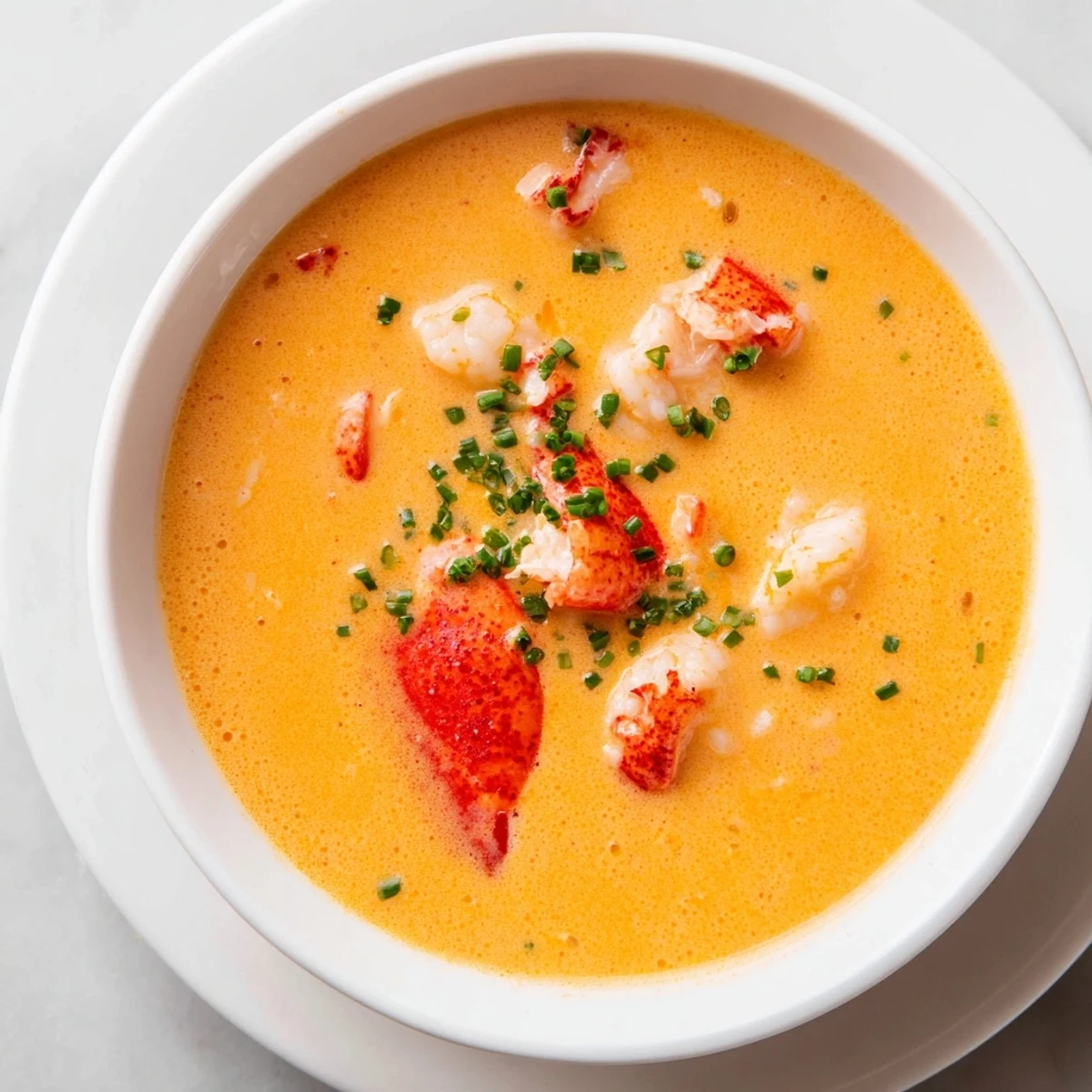
Save This dish highlights tender lobster meat blended into a rich, creamy bisque, enhanced with cognac and aromatic vegetables. Starting with simmered lobster shells to build depth, it is slowly cooked with a medley of onion, carrot, celery, and garlic. Tomato paste and white wine add complexity, while fresh herbs and spices round out the flavor. The soup is puréed until smooth, finished with cream, and gently warmed with lobster meat for a delicate texture. Garnished lightly to complement the bisque's richness, this classic French creation suits special occasions and seafood lovers seeking elegance.
I still remember the first time I tasted genuine lobster bisque at a tiny bistro in Normandy, sitting by a rain-streaked window while the Atlantic wind rattled the glass. The soup arrived in a shallow bowl, sunset-orange and steaming, with a single piece of tender lobster meat floating in its luxurious center. One spoonful and I understood why the French had elevated this dish to an art form. Years later, I finally decided to recreate that moment in my own kitchen, and what started as an ambitious evening turned into one of my most treasured cooking traditions.
I made this bisque for my partner's parents on their 30th wedding anniversary, and watching their faces light up when they recognized that unmistakable depth of flavor was priceless. That night, the soup became more than dinner—it became a memory, the kind that gets mentioned years later at family gatherings. Now whenever I make it, I'm cooking not just for nourishment, but to recreate that feeling of intimate celebration.
Ingredients
- Live lobsters (2, about 1½ lb each) or 500 g cooked lobster meat: The shells are just as important as the meat here—they're where all the deep, oceanic richness comes from. I learned to never throw them away; they're basically liquid gold once they've simmered. If you can only find frozen, that works fine too.
- Unsalted butter and olive oil (2 tbsp butter, 1 tbsp oil): The combination gives you a more nuanced flavor than butter alone, and the oil keeps things from browning too aggressively while you're building your base.
- Onion, carrot, celery, and garlic: This is your aromatic foundation—finely dice everything so it breaks down completely into the soup. Don't skip the garlic; it adds a subtle sweetness that deepens the whole thing.
- Tomato paste (1 tbsp): Just a small amount adds umami and a subtle sweetness that rounds out the seafood flavors beautifully.
- Dry white wine and cognac: The wine adds acidity that brightens everything, while the cognac brings a warming depth. This is where the soup gets its elegant, restaurant-quality complexity.
- Fish or seafood stock (1 liter): This is your backbone—good stock makes a noticeable difference. If you can find lobster stock at a specialty market, even better, though seafood stock works wonderfully.
- Bay leaf, thyme, and paprika: These three work together to add subtle complexity without overwhelming the delicate lobster flavor. The paprika gives that beautiful color and a whisper of smokiness.
- Heavy cream (180 ml): This is what makes it a bisque rather than a soup. The cream transforms it from delicious to absolutely luxurious. Don't skip it or substitute.
- Chives or parsley for garnish: A fresh, sharp finish that cuts through the richness and makes the whole bowl feel alive.
Instructions
- Prepare Your Lobsters (if using live ones):
- Fill a large pot with water, salt it generously, and bring to a boil. If you're using live lobsters, grasp them firmly behind the claws and place them headfirst into the boiling water. They'll thrash at first—this is normal, and they go silent after a few seconds. Steam or boil for 8 to 10 minutes until the shells turn that stunning bright red, then immediately plunge them into ice water to stop the cooking. Once cool enough to handle, twist off the claws and tail, crack them open with your hands or a lobster cracker, and gently extract the meat. You're looking for those tender chunks from the tails and knuckles. Refrigerate the meat and keep those shells—they're essential.
- Build Your Flavor Base:
- In a large, heavy-bottomed pot, melt the butter with the olive oil over medium heat. Once it's foaming and fragrant, add those reserved lobster shells, your finely chopped onion, diced carrot, celery, and minced garlic. Here's where patience pays off: stir everything together and let it cook for 8 to 10 minutes, stirring occasionally. You want the vegetables to turn soft and translucent, and you'll notice the shells starting to turn an even deeper red and the whole kitchen smells like the ocean. Don't rush this step—it's where all the depth comes from.
- Deepen the Flavor:
- Stir in the tomato paste and cook it for about 2 minutes, letting it caramelize slightly and darken in color. This concentrates its sweetness. Then add the white wine and cognac, and here comes a kitchen moment: use a wooden spoon to scrape up all those flavorful browned bits stuck to the bottom of the pot. Those little crusty bits are pure umami. Let it bubble away for 2 minutes so the alcohol cooks off and leaves only the flavor behind.
- Simmer the Stock:
- Pour in your fish or seafood stock, add the bay leaf, fresh thyme leaves, and paprika. Bring everything to a boil, then reduce the heat to a gentle simmer. Leave it uncovered and let it bubble quietly for 25 minutes. You'll notice the broth becoming richer, more colored, and deeply aromatic. This is the soup coming to life.
- Strain and Purée:
- Remove the pot from heat and fish out the lobster shells and bay leaf using tongs or a slotted spoon—discard them. Now you have a choice: if you have an immersion blender, pour that soup into the pot and blend it right there, moving the blender from bottom to top until it's completely smooth. If you don't have one, carefully ladle the soup in batches into a regular blender, blend until silky, and pour it back into the pot. This purée step is magic—all those tiny vegetable pieces and the essence of the shells blend into a silky, luxurious base.
- Finish with Cream and Meat:
- Return your pot to medium-low heat, pour in the heavy cream, and stir gently until it's completely incorporated. Bring it just to a simmer—not a boil, because high heat can make the cream separate and the whole thing will break. Add those reserved chunks of lobster meat and let them heat through gently for 2 to 3 minutes. Taste and adjust with salt and freshly ground black pepper.
- Serve with Ceremony:
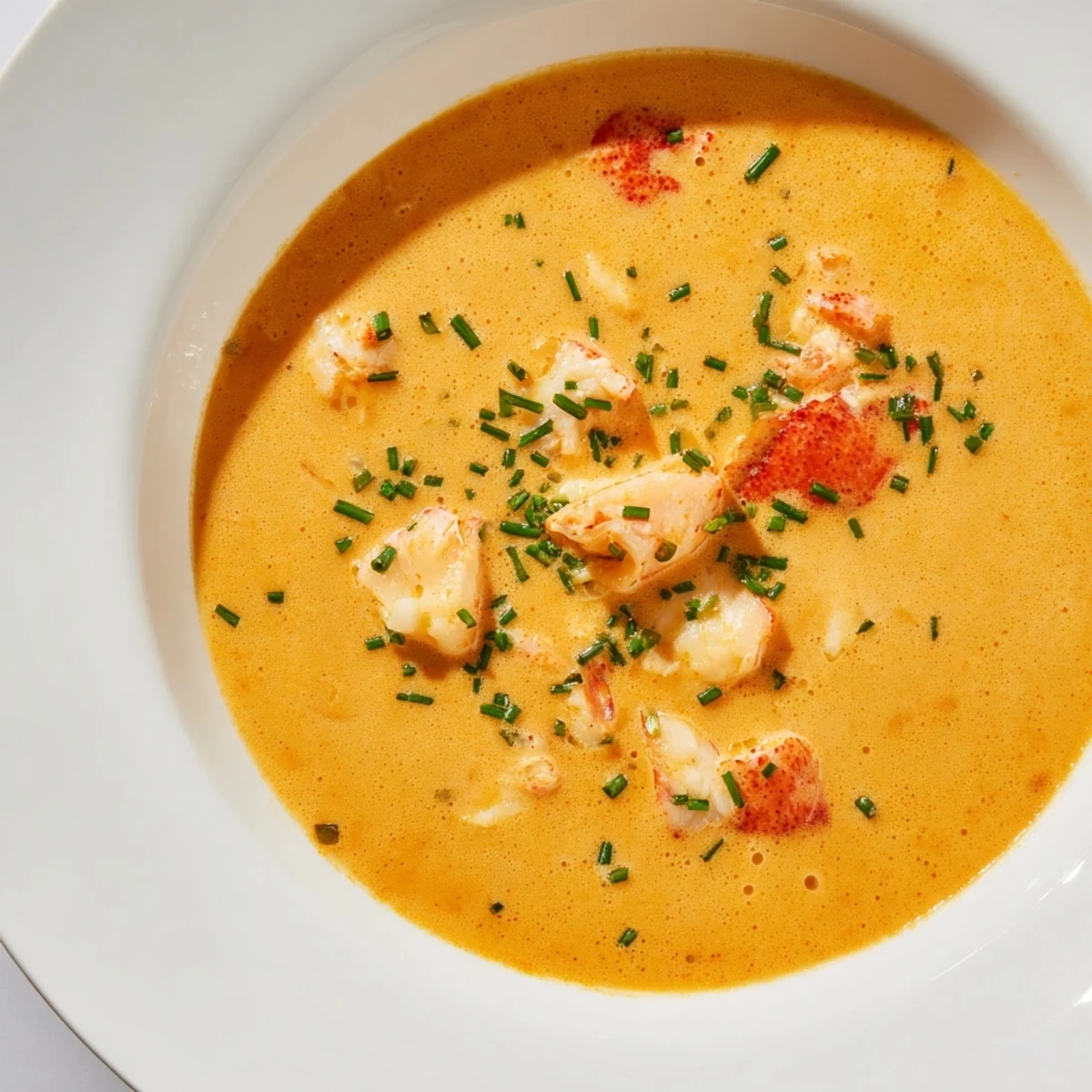
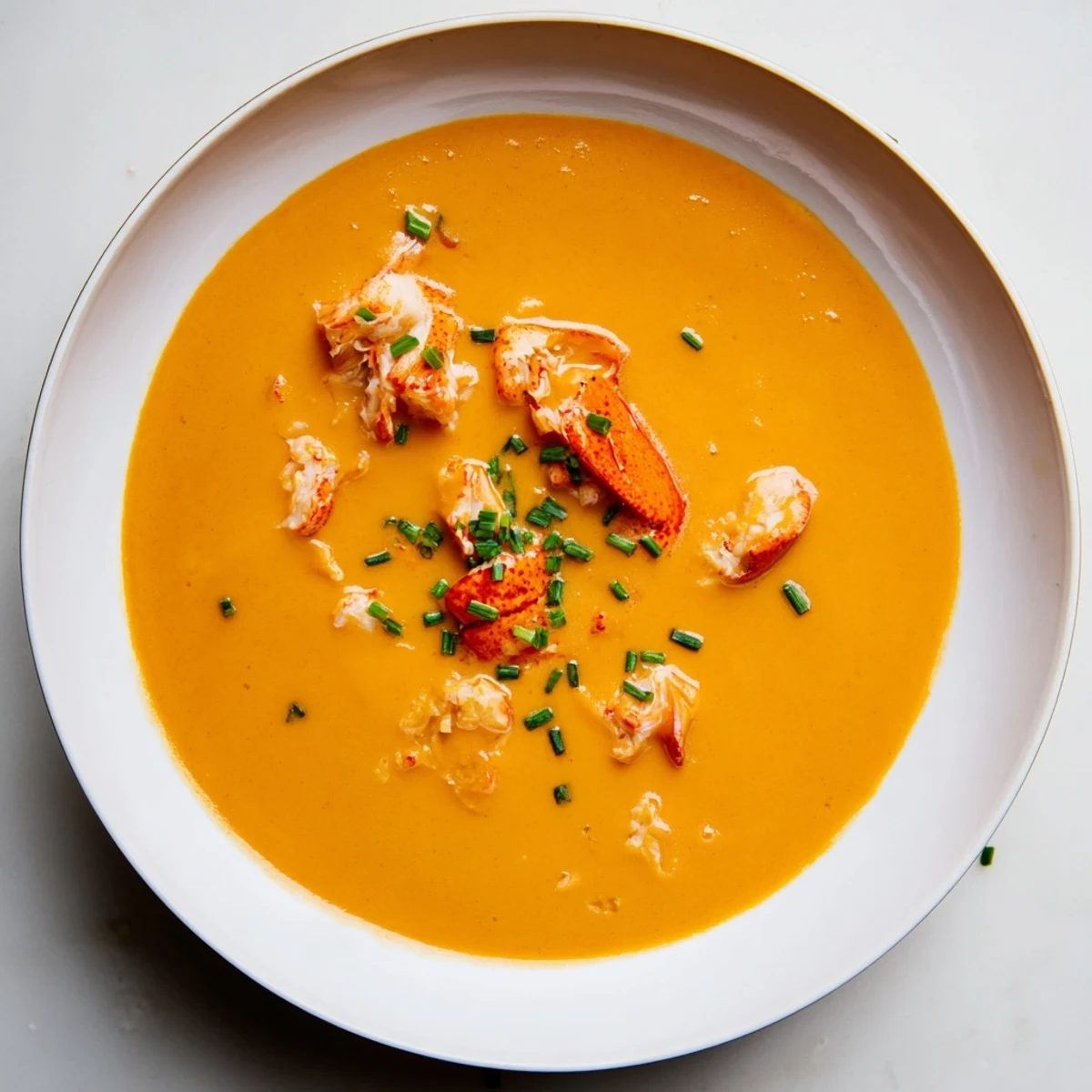
- Ladle the bisque into shallow bowls or small soup cups. A tiny sprinkle of fresh chives or parsley on top catches the light beautifully and adds a sharp, fresh note that makes people say "mmm" before the spoon even touches their lips. Serve hot, with maybe a small piece of lobster claw resting on top if you saved one for presentation.
 Save
Save The first time someone told me my bisque tasted like a French restaurant, I felt something shift in my confidence as a cook. It wasn't just about the technique or the ingredients—it was about understanding that cooking elegant food isn't about being fancy, it's about respecting the ingredients and paying attention to the small moments where flavor is being built.
The Story Behind This French Classic
Bisque is one of those French dishes that seems impossibly elegant until you understand what it really is: a way of using absolutely everything from a lobster. Nothing gets wasted, and every part contributes to something greater than itself. The shells become your base, the meat becomes your treasure, and what you end up with is more than soup—it's a concentrated essence of the sea, thickened and enriched with cream into something almost decadent. It's peasant cooking dressed up as haute cuisine, which is exactly what French cooking does so beautifully.
Making It Your Own
While this recipe is authentically French, there's room for your own personality to shine through. Some people add a tiny splash of sherry at the end for sweetness, others use all white wine and no cognac, and I've had versions where a pinch of saffron adds an almost mystical floral note. The foundation stays the same—shells simmered into richness, vegetables breaking down into silk, cream transforming it all into luxury. But the details? Those are yours to adjust based on what speaks to your palate and what you have in your kitchen.
Pairing and Serving Thoughts
This bisque demands respect when it comes to presentation and company. Serve it as a first course for a special dinner—it's rich enough that small bowls of 200 ml are completely satisfying—or pair several bowls as a light main course with good bread and a simple green salad. The wine pairing the original recipe mentions is spot on: a crisp Chardonnay or Sancerre cuts through the richness beautifully and refreshes the palate between spoonfuls. I've also loved it with a very dry Champagne, which feels extra celebratory.
- Make sure your bowls are warm before serving—cold ceramic steals heat from the soup faster than you'd expect.
- If you're making this ahead, cool it completely, refrigerate it overnight, and gently reheat it over low heat while whisking occasionally to keep it silky.
- Save a little extra cream to dollop on top just before serving if you want an extra touch of elegance.
 Save
Save Making this bisque is an act of love, whether you're cooking it for someone else or treating yourself to something extraordinary on an ordinary Tuesday night. The kitchen will smell like elegance for hours afterward.
Questions & Answers
- → How do I prepare the lobster for the bisque?
-
Steam or boil live lobsters until bright red, then cool and remove meat from tails and claws. Keep shells to simmer for stock base.
- → What is the purpose of simmering lobster shells with aromatics?
-
Simmering shells with onion, carrot, celery, and garlic extracts deep flavors, creating a rich broth foundation for the bisque.
- → Can I substitute other seafood for lobster shells?
-
Shrimp shells can be used as an alternative to lobster shells to impart a similar seafood essence to the broth.
- → Why is cognac added to the bisque?
-
Cognac enriches the bisque with subtle sweetness and depth, balancing the creamy texture and seafood notes.
- → How should the bisque be finished before serving?
-
After blending to smoothness, stir in cream and gently warm with lobster meat, seasoning to taste before serving.
- → What garnishes complement this bisque?
-
Chopped chives or parsley add a fresh herbal contrast that brightens the rich, creamy soup.