
 Save
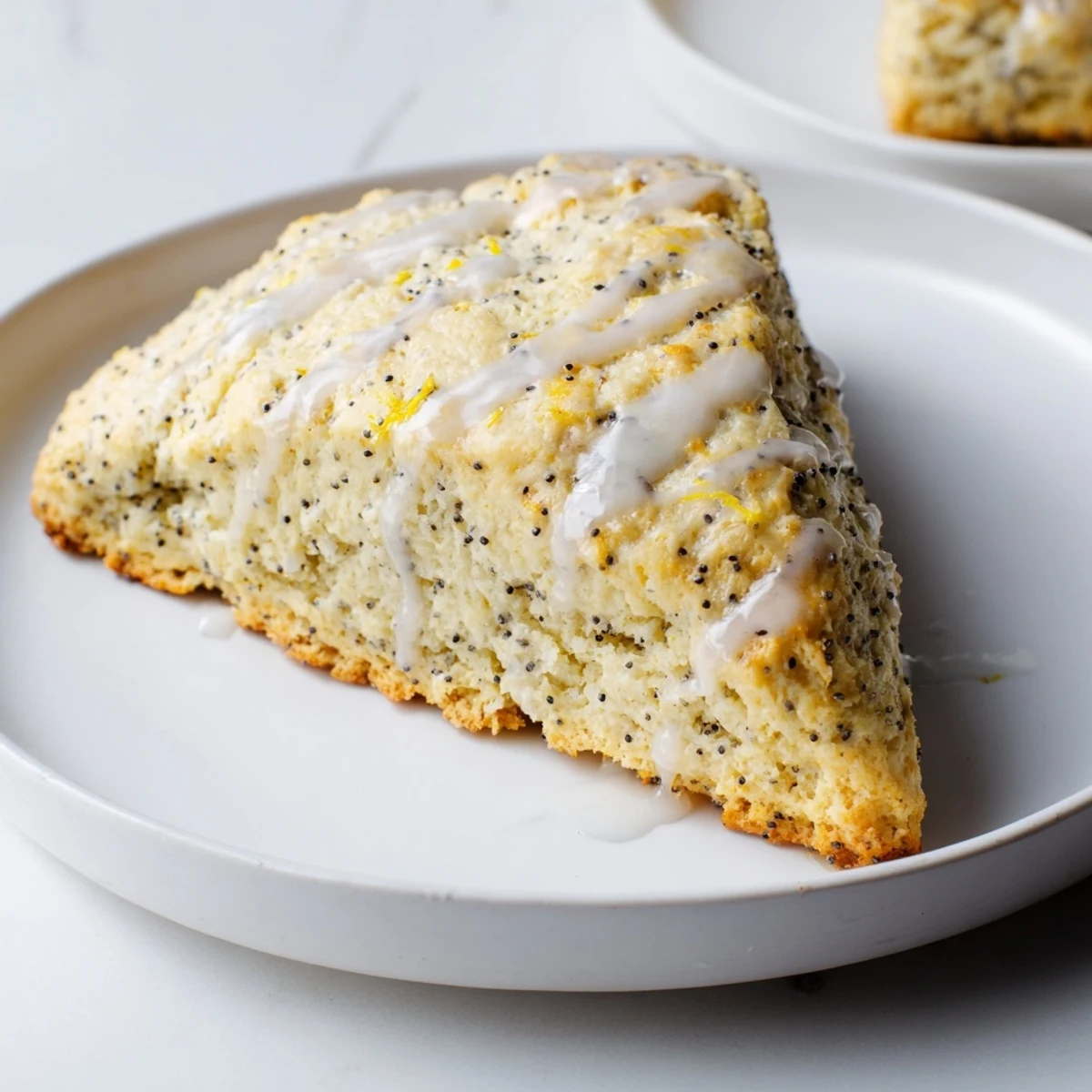
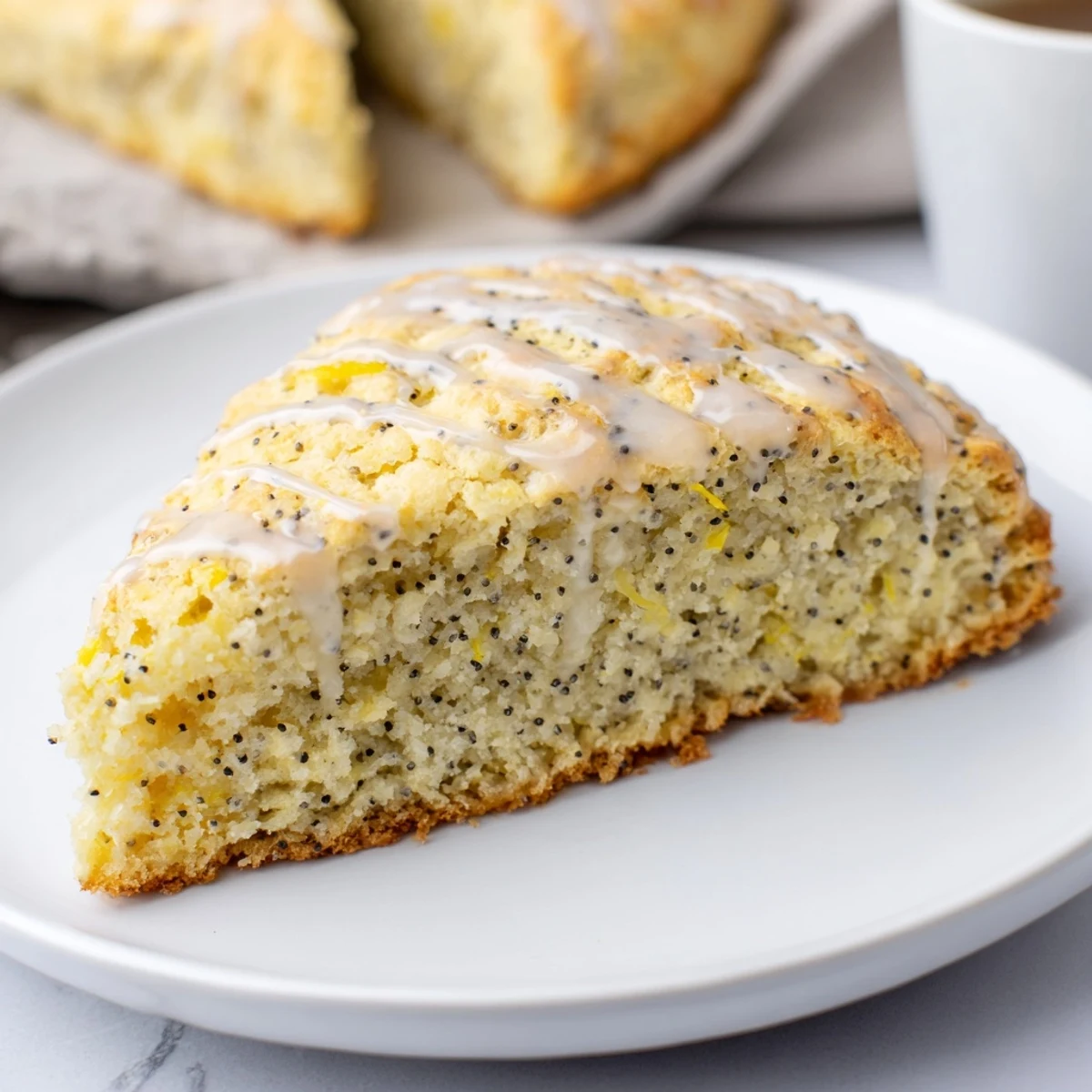
Save Enjoy tender scones infused with bright lemon zest and dotted with crunchy poppy seeds. Made by combining dry ingredients with cold butter until crumbly, then blending wet ingredients before gently mixing together. The dough is shaped into wedges and baked until golden. An optional glaze of lemon juice and powdered sugar adds extra citrus sweetness, enhancing these buttery pastries perfect for breakfast or afternoon tea.
I discovered the magic of lemon poppy seed scones on a misty morning in a little café in the Cotswolds. The baker had just pulled them from the oven, and their golden-brown tops caught the light streaming through the windows. One bite transported me instantly—the tender crumb, the brightness of fresh lemon, those tiny pops of poppy seed texture. I've spent years trying to recreate that exact moment in my own kitchen, and I finally nailed it. Now, whenever I bake these, my kitchen fills with the same warm, citrusy comfort that drew me in all those years ago.
I remember baking these for my sister's surprise birthday breakfast last spring. She came downstairs to find a tiered stand with warm scones, clotted cream, and homemade jam. The way her face lit up—not just because of the food, but because someone had taken the time to make something so carefully—that's when I realized these scones are about more than ingredients. They're about those small gestures that say, "I was thinking of you."
Ingredients
- All-purpose flour (2 cups/250 g): The foundation of tender scones. I've learned that measuring by weight is a game-changer here—it prevents overpacking, which can make scones dense. Spoon the flour into your measuring cup and level it off gently.
- Granulated sugar (1/3 cup/65 g): Just enough sweetness to complement the tartness of lemon without overshadowing it. The sugar also helps create that delicate, crumbly texture.
- Poppy seeds (1 tbsp): These tiny seeds are the secret texture element. Fresh poppy seeds have a subtle, slightly nutty flavor that old ones lose, so check your pantry—they should smell pleasant, not musty.
- Lemon zest (1 tbsp from about 2 lemons): This is where the soul lives. Fresh zest from unwaxed lemons is essential; bottled zest tastes faded by comparison. Use a microplane for fine, delicate zest that distributes evenly.
- Baking powder (2 tsp) and baking soda (1/2 tsp): The dynamic duo that lifts your scones. Baking powder gives height, while the baking soda reacts with the lemon juice for extra rise and a tender crumb.
- Salt (1/4 tsp): A tiny pinch that makes the lemon sing and rounds out all the flavors—never skip it.
- Unsalted butter, cold and cubed (1/2 cup/115 g): This is non-negotiable. Cold butter creates steam pockets in the dough, which gives you that beautiful, flaky scone structure. If your butter is soft, your scones will be dense. Keep it in the freezer until the last moment.
- Heavy cream (2/3 cup/160 ml, plus more for brushing): The secret ingredient that makes these impossibly tender. The fat in the cream creates an incredibly soft crumb. Don't use milk as a substitute—it changes everything.
- Egg (1 large): Binds the dough and gives the tops that gorgeous golden-brown finish when you brush them before baking.
- Freshly squeezed lemon juice (2 tbsp): Fresh juice is a must. Bottled juice tastes sharp and bitter by comparison. Squeeze just before you start cooking.
- Pure vanilla extract (1 tsp): A gentle vanilla note that deepens the lemon flavor and adds warmth without being obvious.
- Powdered sugar (1 cup/120 g, optional glaze): If you glaze, this creates a delicate sweetness that catches the light and makes them look like they came from that Cotswolds café.
Instructions
- Step 1: Prepare Your Oven
- Preheat your oven to 400°F (200°C) and line a baking sheet with parchment paper. This is your moment to get everything ready—no rushing once the dough comes together.
- Step 2: Mix the Dry Ingredients
- In a large bowl, whisk together the flour, sugar, poppy seeds, lemon zest, baking powder, baking soda, and salt. The whisking distributes the leavening agents evenly and gives the lemon zest a chance to release its oils throughout. You'll notice the mixture smell brighter already.
- Step 3: Cut in the Cold Butter
- Add your cold, cubed butter to the dry mixture. Using a pastry cutter, two knives, or even your fingertips (my favorite method—you can feel when it's right), work the butter into the flour until the mixture looks like coarse breadcrumbs or wet sand. Some pea-sized pieces of butter should remain visible; these are what create the lift and flakiness. This is the step that separates tender scones from heavy ones, so don't rush it.
- Step 4: Combine the Wet Ingredients
- In a separate bowl, whisk together the heavy cream, egg, lemon juice, and vanilla extract. The lemon juice will cause tiny curdling in the cream—this is completely normal and actually desirable. It's all creating structure.
- Step 5: Bring It Together
- Pour the wet ingredients into the dry mixture and stir gently with a spatula or wooden spoon until just combined. This is crucial: overmixing develops gluten and makes tough scones. Stop stirring as soon as you don't see dry flour streaks. A few small lumps are your friends.
- Step 6: Shape the Dough
- Turn the dough onto a lightly floured surface and gently shape it into a 1-inch thick round disk. Don't knead or work it—let your hands be gentle. Cut the disk into 8 wedges, like a pizza. Transfer each wedge to your prepared baking sheet, spacing them about 2 inches apart. They need a little breathing room.
- Step 7: The Golden Touch
- Brush the tops of each scone lightly with a bit of extra heavy cream. This is what creates that beautiful, shiny, golden-brown finish that looks so inviting.
- Step 8: Bake Until Golden
- Bake for 16–18 minutes, until the tops are golden brown and the edges are just beginning to darken. The scones should smell like warm butter and lemon. Don't open the oven door before 15 minutes—you want that steam to do its work.
- Step 9: Cool and Finish
- Transfer the baked scones to a wire rack to cool for a few minutes. They're still setting as they cool. If you're making the optional glaze, whisk the powdered sugar and lemon juice together until smooth and drizzle it over the cooled scones just before serving.
 Save
Save There's something about pulling a tray of warm scones from the oven that feels almost ceremonial. The aroma fills your entire home, and suddenly everyone appears in the kitchen drawn by the smell. My neighbor came over last weekend because she smelled them from her garden, and we ended up having an impromptu tea together on the porch with fresh scones, clotted cream, and jam. Food does that—it creates moments.
The Secret to Scone Texture
The difference between a tender, flaky scone and a dense, tough one comes down to one thing: respecting the dough. Overmixing develops gluten, which tightens the crumb. The butter pieces matter because they create steam pockets during baking—those little pockets are what give scones their characteristic structure. Every time you overwork the dough, you're forcing those air pockets closed. I learned this the hard way after making dense scones for years. Now, I think of it like this: the less you handle the dough, the better the scone.
Why Lemon Zest Changes Everything
When I first made these, I used bottled lemon juice and bottled zest, thinking they were the same as fresh. They weren't even close. The fresh zest has oils that bottled zest has lost in processing, and those oils are what make the scones smell incredible and taste bright. Freshly squeezed juice has a liveliness that bottled juice simply can't match. It's worth taking the extra two minutes to zest a lemon properly.
Serving and Storing Your Scones
Scones are best eaten within a few hours of baking when they're still warm and the texture is at its peak. If you have leftovers, store them in an airtight container for up to two days. To refresh them, warm them gently in a 300°F oven for about five minutes. Here's what I've learned works beautifully:
- Serve with clotted cream and strawberry jam for the traditional British approach.
- Freeze unbaked wedges on a baking sheet, then transfer to a freezer bag—bake from frozen, adding just a few extra minutes.
- A generous dollop of fresh whipped cream is divine, especially with the lemon glaze.
 Save
Save These lemon poppy seed scones have become my go-to gift when I want to say thank you in the most heartfelt way. There's something about homemade baked goods that feels personal, like you've handed someone a piece of your kitchen and your care. I hope they become one of your kitchen moments too.
Questions & Answers
- → What gives these scones their lemon flavor?
-
The lemon flavor comes from fresh lemon zest and freshly squeezed lemon juice incorporated into the dough and optional glaze.
- → How do the poppy seeds affect the texture?
-
Poppy seeds add a delicate crunch that contrasts nicely with the tender, buttery crumb of the scones.
- → Can I substitute ingredients for different flavors?
-
Yes, you can replace lemon zest with orange zest for a citrus twist or adjust sugar levels for sweetness preferences.
- → What is the best way to shape the dough?
-
Roll the dough into a 1-inch thick round disk and cut it into eight wedges for even baking and classic scone shape.
- → How should I store and reheat these pastries?
-
Store at room temperature in an airtight container or freeze. Reheat gently in the oven before serving for best results.