
 Save
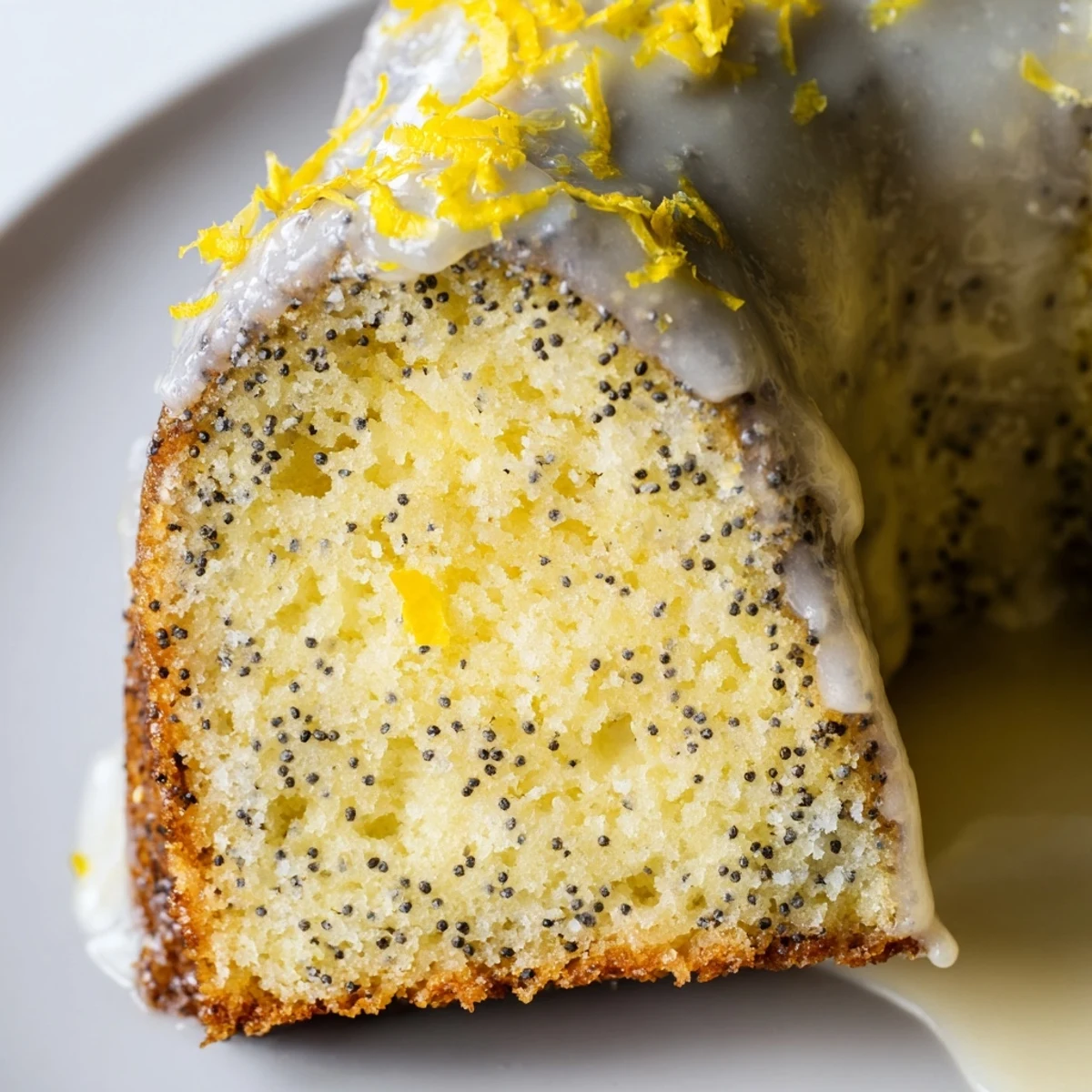
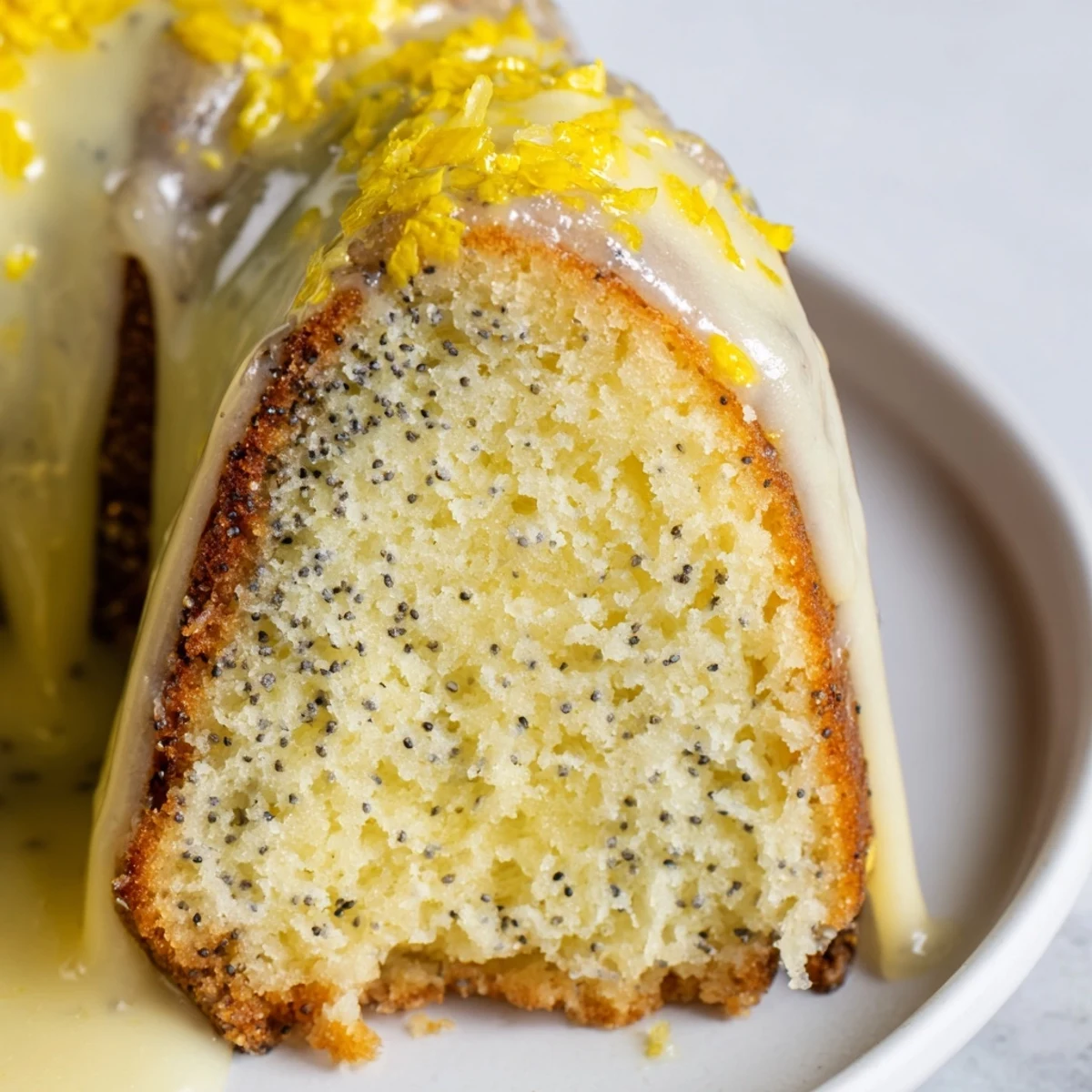
Save This vibrant Lemon Poppy Seed Bundt Cake combines a tender, buttery crumb with the fresh zing of lemon and the delightful crunch of poppy seeds. Finished with a silky lemon glaze, this 12-serving cake is perfect for gatherings and pairs beautifully with tea or sparkling wine.
The sound of my daughter unzipping her backpack after school signaled our weekend baking ritual was about to begin. That particular Friday, we decided to tackle this lemon poppy seed bundt cake - a recipe I'd scribbled on a notecard after tasting it at my neighbor's garden party. The sunshine yellow lemons brightening my kitchen counter seemed to mirror her excitement as we measured and mixed, her small fingers carefully counting the eggs.
Last spring, when my sister announced her surprise visit with barely 24 hours notice, this cake came to my rescue. The kitchen filled with citrus scent as I frantically cleaned the guest room, and by the time she arrived, the house smelled like a proper welcome. We sat on the porch with thick slices and coffee, catching up while our fingers grew sticky with glaze.
Ingredients
- Poppy Seeds: These tiny blue-black seeds might seem insignificant, but they provide delightful crunch and subtle nuttiness that transforms this from an ordinary lemon cake into something conversation-worthy.
- Lemon Zest: After years of making this cake, I discovered microplaning the zest directly over the mixing bowl captures those fragrant oils that would otherwise evaporate on the cutting board.
- Sour Cream: The secret weapon that keeps this cake impossibly moist for days, its subtle tang also amplifies the lemon flavor in a way that yogurt just cant replicate.
- Room Temperature Ingredients: Especially the eggs, butter, milk, and sour cream - they incorporate so much more air when theyre not cold from the fridge, creating that tender crumb we all dream about.
Instructions
- Prepare your pan properly:
- Generously grease every curve and crevice of your bundt pan, then dust with flour, tapping out the excess. This careful preparation means the difference between a perfect unveiling and a heartbreaking cake disaster.
- Create the fluffiest base:
- Beat the butter and sugar until the mixture turns notably lighter in both color and texture, about 3 full minutes. You should see it transform from yellow and grainy to almost white and cloud-like.
- Add eggs strategically:
- Incorporate eggs one by one, waiting until each disappears completely before adding the next. This patience prevents the batter from curdling and ensures a silky-smooth texture.
- Balance wet and dry ingredients:
- Alternate flour mixture with milk-sour cream blend, starting and ending with flour. This method prevents overmixing while allowing all components to blend properly.
- Test with precision:
- Insert a toothpick into the deepest part of the cake around the 45-minute mark. Look for a few moist crumbs clinging to the pick rather than wet batter or a completely clean pick, which might mean its overdone.
- Perfect your glaze:
- Adjust the lemon juice by teaspoons until your glaze reaches that sweet spot between too thick and too runny. It should coat the back of a spoon but still flow gracefully down the sides of your cake.
 Save
Save During my mother-in-laws first holiday dinner at our home, I was terrified of measuring up to her legendary baking. When she asked for the recipe after her second slice, I felt a warmth no oven could produce. Now the cake appears at every family gathering, a citrusy bridge between our different baking traditions.
Lemon Selection Secrets
Heavy lemons with thin, smooth skins yield significantly more juice than their lighter, bumpy counterparts. I discovered this while making this cake during different seasons and noticing dramatic differences in the amount of juice collected. Roll each lemon firmly on the counter before cutting, applying gentle pressure with your palm to break the internal membranes and release maximum juice.
Storage Solutions
Under a cake dome on the counter, this beauty stays remarkably fresh for three full days, the poppy seeds preventing that stale taste that haunts most homemade cakes. For longer storage, wrap individual slices in plastic wrap then place in a freezer bag - future you will be thankful when unexpected company arrives and you can defrost a slice in just 30 minutes.
Serving Suggestions
While delicious on its own, this cake transforms into a worthy dinner party finale with thoughtful accompaniments. My kitchen experiments over the years have revealed some surprising complements to its bright flavor profile.
- A dollop of lightly sweetened whipped cream infused with a hint of cardamom creates an aromatic contrast that elevates the entire experience.
- Macerated berries spooned alongside provide juicy bursts that play beautifully against the cakes dense crumb.
- For brunch servings, a spoonful of good quality lemon curd creates a double-citrus effect that morning coffee particularly appreciates.
 Save
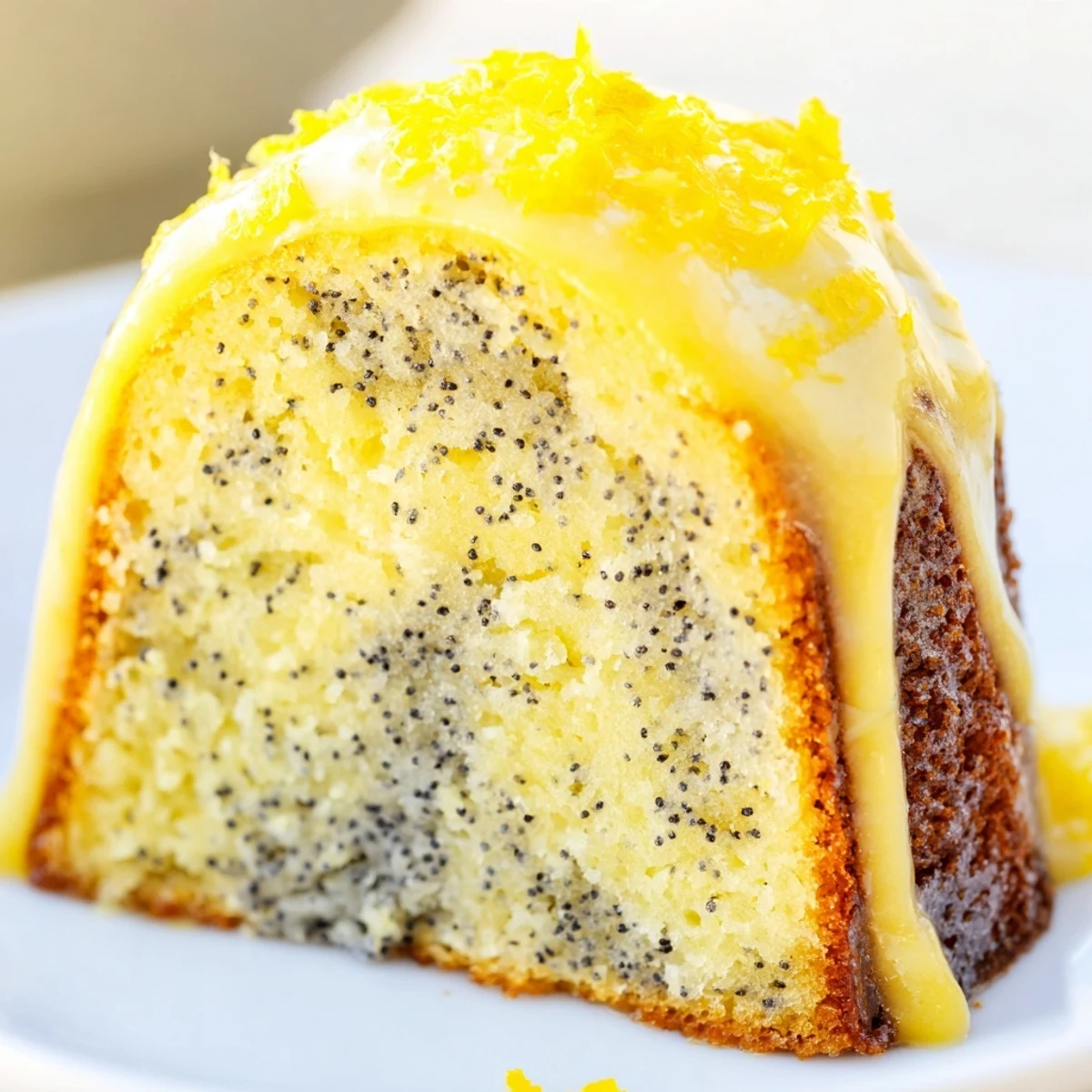
Save Every time I slice into this sunshine-yellow creation, I remember why some recipes deserve to be passed down. Its not just about sugar and flour combining in the right ratios, but about the moments we create around the table when something this special brings us together.
Questions & Answers
- → How do I prevent my Bundt cake from sticking?
-
Thoroughly grease and flour your Bundt pan, paying special attention to the center tube and all crevices. Some bakers prefer using a baking spray with flour for extra insurance.
- → Can I use bottled lemon juice instead of fresh?
-
Fresh lemon juice delivers superior flavor and brightness. If using bottled, reduce the amount slightly as it's more concentrated. Fresh juice is recommended for the best results.
- → What's the best way to cool a Bundt cake?
-
Allow the cake to cool in the pan for 15 minutes, which helps it set. Then invert onto a wire rack to cool completely before glazing. This prevents the delicate cake from breaking.
- → How can I intensify the lemon flavor?
-
Add one tablespoon of lemon extract to the batter for extra depth. You can also increase the zest slightly or brush the cooled cake with fresh lemon juice before glazing.
- → Can this cake be made ahead?
-
Yes, bake the cake a day ahead and store it covered at room temperature. Apply the glaze on the day you plan to serve it for the best presentation and texture.
- → How do I get a smooth, pourable glaze?
-
Sift your powdered sugar before mixing to remove lumps. Gradually add lemon juice while whisking until you achieve a consistency that flows smoothly but clings to the cake.