
 Save
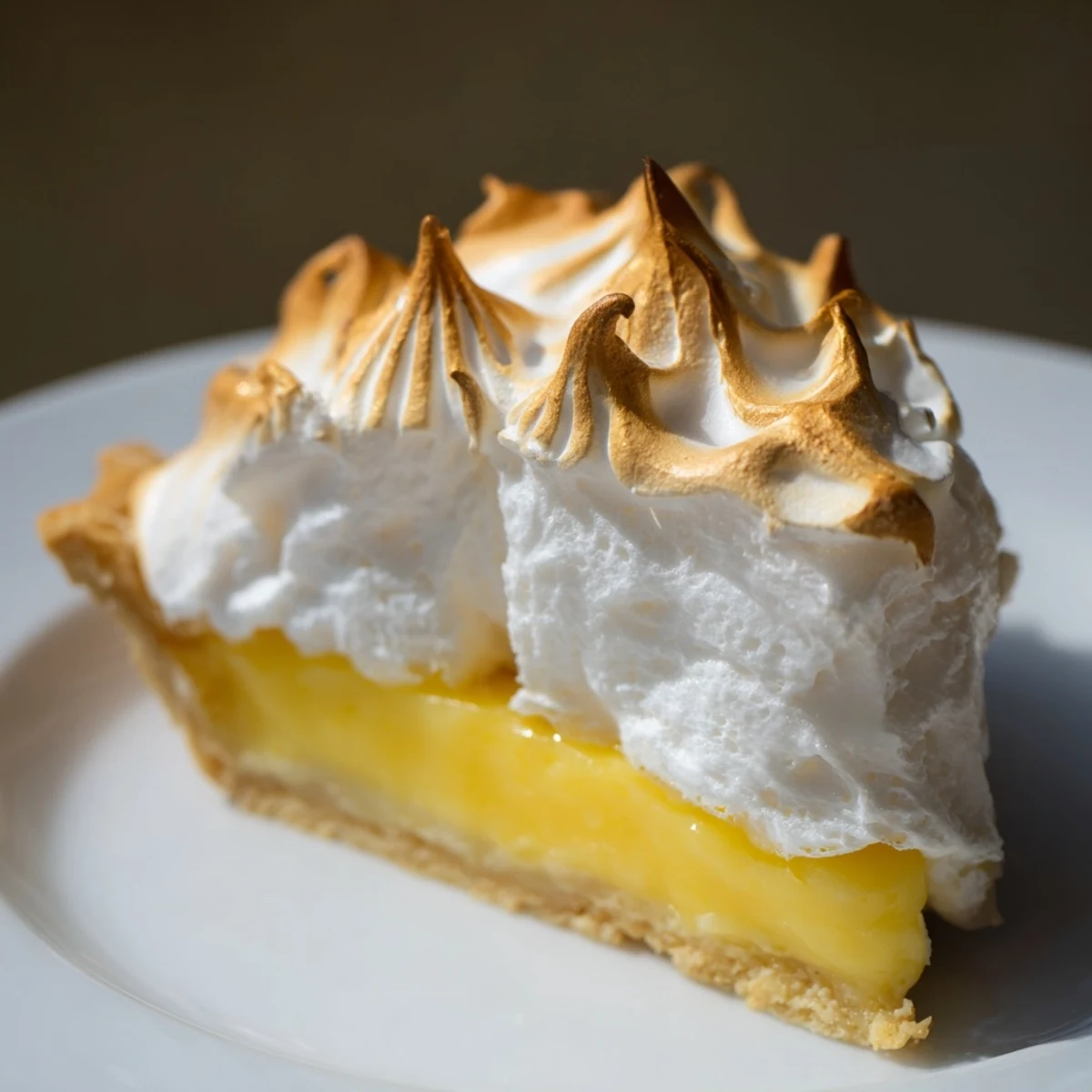
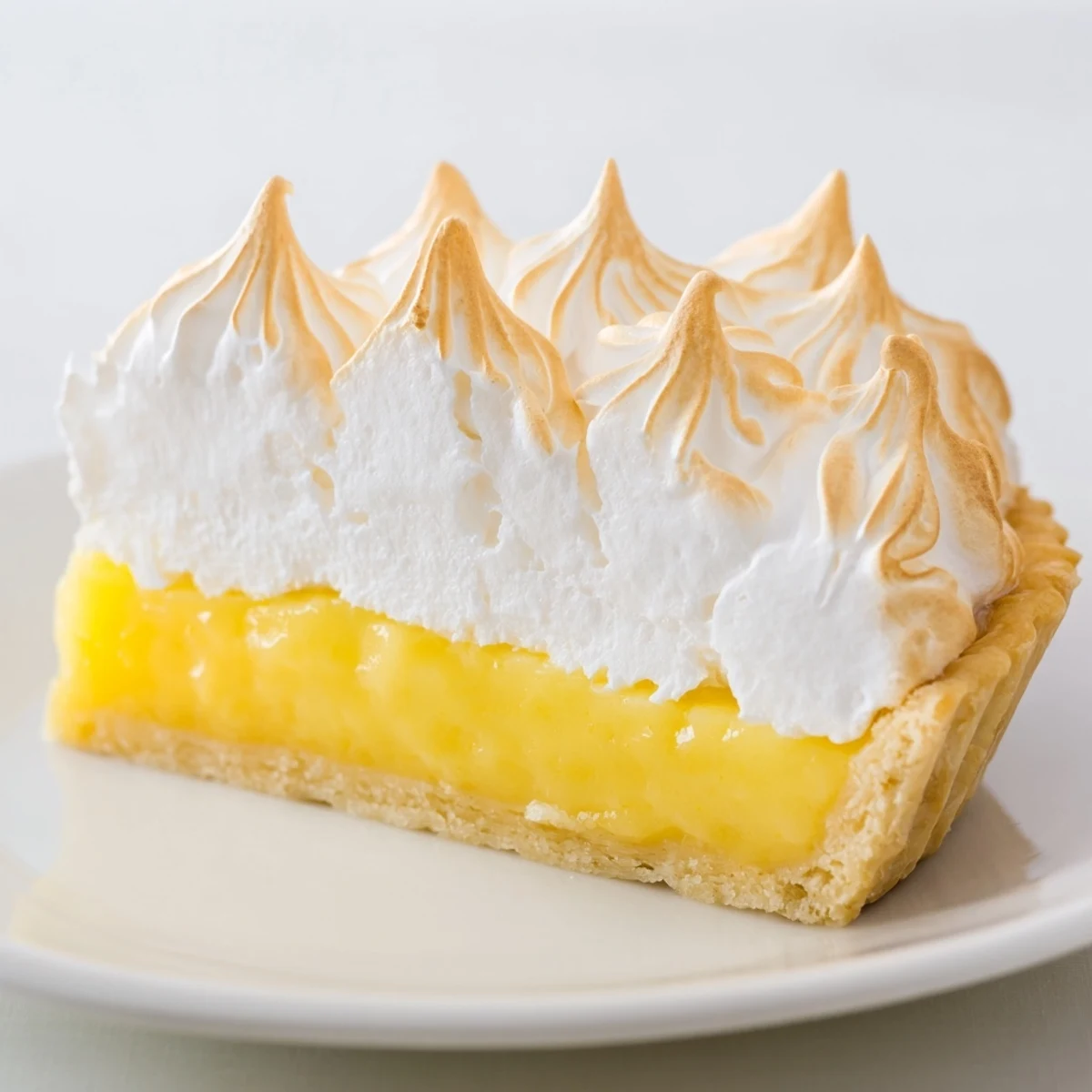
Save This classic lemon tart features a tangy citrus filling made from fresh lemon juice, sugar, and egg yolks, all nestled in a crisp, flaky pastry crust. A light, fluffy meringue, whipped to glossy peaks and gently toasted, crowns the filling, adding sweetness and texture. The baking process ensures a golden crust and perfectly set filling, cooling for optimal slicing. Ideal for those seeking a balance between tartness and sweetness using simple, fresh ingredients.
The kitchen smelled like sugar and lightning the first time I pulled a lemon meringue pie from the oven. My grandmother stood beside me, arms crossed, eyeing the golden peaks with approval. She'd refused to give me her recipe for years, insisting I learn by watching. When I finally made one on my own, she tasted it in silence, then nodded once and said, "Now you know."
I made this pie for my neighbor after she helped me fix a broken fence. She took one bite and actually laughed out loud, surprised by how tart it was. We sat on her porch and ate half the pie with forks straight from the dish, talking until the fireflies came out. That pie became my go-to thank-you gift, my apology dessert, my celebration centerpiece.
Ingredients
- All-purpose flour: The foundation for a crust that holds its shape without turning to cardboard, use cold hands when mixing to keep the butter from melting too soon.
- Unsalted butter: Cold cubes are essential because they create those flaky layers when they melt in the oven, I freeze mine for ten minutes before starting.
- Ice water: Add it slowly because humidity changes how much you need, stop as soon as the dough barely holds together.
- Granulated sugar: Used in both the filling and meringue, it dissolves completely when whisked over heat so you never bite into grit.
- Cornstarch: This is what thickens the filling into that glossy, sliceable texture instead of runny lemon soup.
- Freshly squeezed lemon juice: Bottled juice tastes flat and bitter, real lemons give you that bright, clean zing that makes this pie worth the effort.
- Lemon zest: The oils in the peel add depth and fragrance, I use a microplane to avoid the bitter white pith underneath.
- Egg yolks: They enrich the filling and give it that sunny yellow color, save the whites for the meringue so nothing goes to waste.
- Egg whites: Room temperature whites whip up higher and faster, I set mine out while I make the crust.
- Cream of tartar: Stabilizes the meringue so it doesn't weep or collapse, a tiny amount makes a huge difference.
- Vanilla extract: A half teaspoon in the meringue rounds out the sweetness and adds warmth without competing with the lemon.
Instructions
- Mix the Crust:
- Combine flour and salt, then work the cold butter in with your fingertips until it looks like wet sand with pea-sized lumps. Sprinkle ice water over it one tablespoon at a time, tossing gently until the dough just holds together when squeezed.
- Chill and Roll:
- Flatten the dough into a disk, wrap it tight, and let it rest in the fridge for thirty minutes so the gluten relaxes and the butter firms up. Roll it out on a floured surface into a circle about two inches wider than your pie dish, working quickly before it warms.
- Blind Bake:
- Press the dough into the dish, trim the edges, and prick the bottom all over with a fork to prevent bubbles. Line it with parchment, fill with weights, and bake until the edges start to color, then remove the weights and bake until the whole crust is golden and dry.
- Cook the Filling:
- Whisk sugar, cornstarch, and salt in a saucepan, then slowly add water, lemon juice, and zest, stirring constantly over medium heat until it thickens and starts to bubble. Temper the egg yolks with a little hot mixture, then whisk them back in and cook for two more minutes until glossy.
- Whip the Meringue:
- Beat egg whites and cream of tartar until soft peaks form, then add sugar gradually, beating until the meringue is thick, shiny, and holds stiff peaks. Fold in vanilla at the very end.
- Assemble and Bake:
- Pour the hot filling into the crust immediately, then spread meringue over it, making sure to seal the edges so it doesn't shrink. Swirl the top with the back of a spoon and bake until the peaks turn golden brown.
 Save
Save I brought this pie to a potluck once and watched a woman take a bite, close her eyes, and say it tasted exactly like her childhood. She didn't explain and I didn't ask. Sometimes a dessert just opens a door you didn't know was there.
Getting the Meringue Right
The meringue intimidated me for years until I realized it's just about patience and clean tools. Any trace of grease or yolk will stop the whites from whipping, so I wipe my bowl with a little lemon juice and a paper towel before starting. I add the sugar slowly, letting it dissolve completely between additions, and I know it's ready when I can turn the bowl upside down and nothing moves. The first time I nailed it, I stood there grinning at stiff glossy peaks like I'd won something.
Choosing Your Lemons
Regular lemons work perfectly fine, but Meyer lemons turn this into something softer and more floral, less punchy. I use them when I want the pie to feel gentler, more like a whisper than a shout. Either way, roll the lemons hard on the counter before juicing to break up the membranes inside, you'll get way more juice with half the effort.
Storing and Serving
This pie is best the day it's made, but it will keep covered in the fridge for up to two days. The meringue may start to weep tiny beads of sugar, which is normal and doesn't hurt the flavor. I like to serve it cold with nothing else on the plate, just a fork and maybe a cup of strong coffee.
- Use a sharp knife dipped in hot water to slice through the meringue cleanly without dragging.
- If you're making this ahead, bake the crust and make the filling in advance, then whip and brown the meringue just before serving.
- Leftovers are excellent for breakfast the next morning, not that I'm admitting anything.
 Save
Save Every time I make this pie, I think about my grandmother's nod, that tiny gesture that meant I'd finally gotten it right. I hope this one earns you the same quiet pride.
Questions & Answers
- → How do I achieve a crisp pie crust?
-
Use cold, cubed butter and avoid over-mixing the dough. Chilling the dough before baking and blind baking the crust ensures crispness.
- → What is the best way to prevent meringue from weeping?
-
Beat egg whites to stiff peaks and gradually add sugar to stabilize. Spread meringue onto hot filling to seal edges before baking.
- → Can I use fresh lemons for the filling?
-
Yes, freshly squeezed lemon juice and zest give the filling its bright, tangy flavor that bottled juice cannot match.
- → How long should the tart cool before serving?
-
After baking, cool completely at room temperature, then chill for at least two hours to set the filling properly.
- → What tools are essential for preparing this dessert?
-
You’ll need a 9-inch pie dish, mixing bowls, a saucepan for the filling, an electric mixer for the meringue, a rolling pin, and a whisk.