
 Save
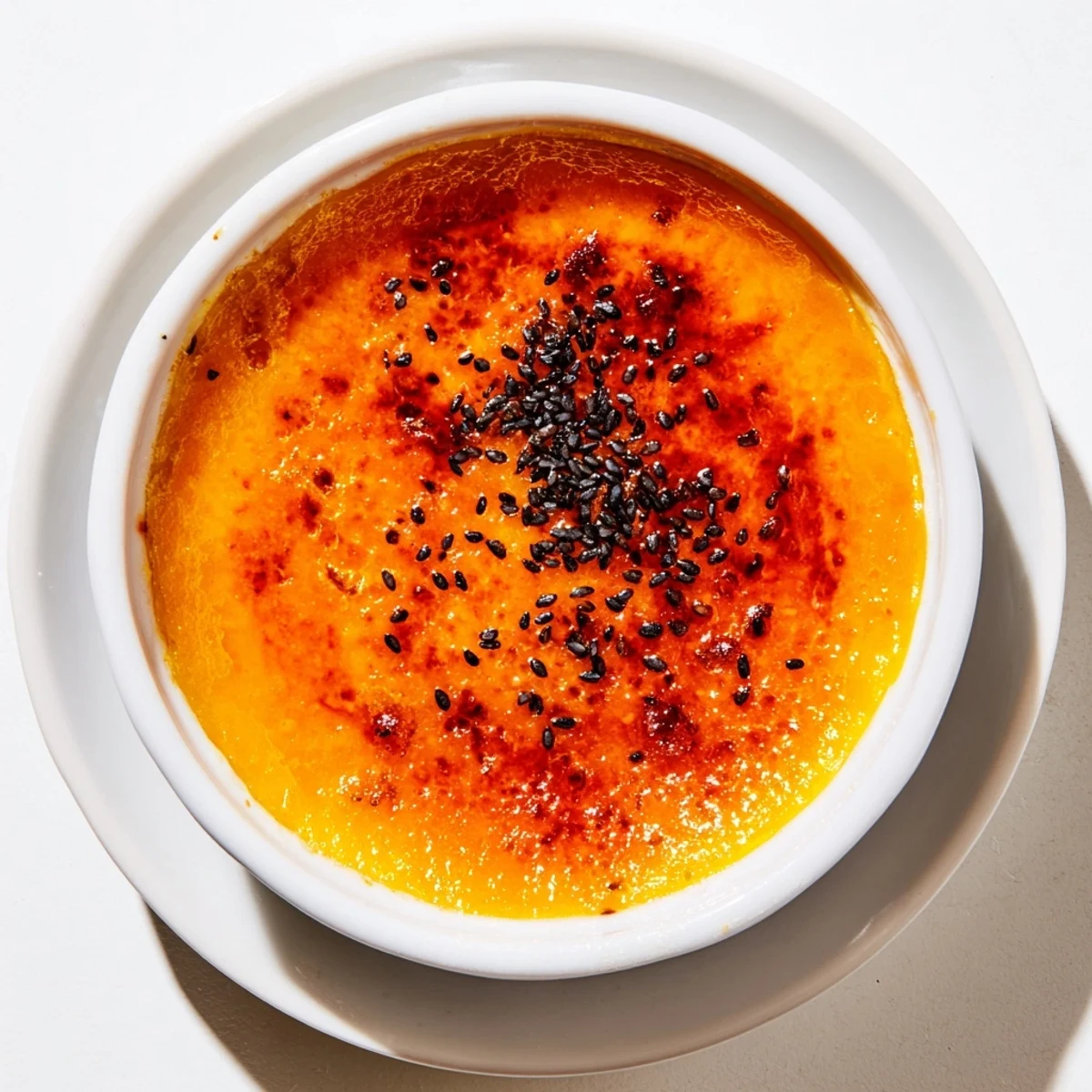
Save This elegant dessert merges French technique with Japanese flavors, creating a velvety custard base infused with naturally sweet purple-fleshed sweet potatoes. The preparation involves steaming and blending the tubers with cream and milk before incorporating into a traditional egg yolk mixture. Baked gently in a water bath until just set, then chilled until firm. The crowning moment comes when sugar is sprinkled atop and torched until golden, creating that signature crackling caramelized crust that contrasts beautifully with the smooth, earthy custard beneath.
The first time I tried Japanese sweet potatoes, I was standing in a tiny Tokyo café watching steam curl off a roasted satsumaimo. Something about that naturally creamy, almost floral sweetness stuck with me. Months later, I found myself staring at a crate of them at my local market, wondering what would happen if that distinctive flavor met my favorite French dessert. The result became this unexpected cross-cultural love story between a Japanese farmer's market staple and the most luxurious custard I know how to make.
I served these at a dinner party last autumn when the leaves were just starting to turn. My friend Sarah, who claims she doesnt like sweet potatoes, took one skeptical bite and literally closed her eyes. Watching three people go silent over dessert is exactly the kind of kitchen moment that keeps me experimenting.
Ingredients
- Japanese sweet potato: The satsumaimo variety has a naturally creamy, almost floral sweetness that regular sweet potatoes simply cannot match, so do not substitute
- Heavy cream: Essential for that luxurious mouthfeel that makes crème brûlée so decadent
- Whole milk: Balances the richness while keeping the custard silky and smooth
- Egg yolks: Use the freshest eggs you can find since they are the backbone of your custard structure
- Granulated sugar: Divided use means some dissolves into the custard while the rest creates that signature caramelized crust
- Vanilla extract: Pure vanilla extract adds a warm floral note that bridges the gap between the two cuisines
- Salt: Even a tiny pinch wakes up all the other flavors
Instructions
- Prepare your water bath:
- Preheat your oven to 150°C (300°F) and put a kettle of water on to boil while you prep everything else.
- Cook the sweet potato:
- Steam or boil the peeled cubed potato until completely tender, about 15 minutes, then drain and let it cool slightly.
- Make the sweet potato cream:
- Blend the cooked potato with heavy cream and whole milk until absolutely smooth with no lumps remaining.
- Whisk the custard base:
- In a separate bowl, whisk together egg yolks, sugar, vanilla, and salt until the mixture turns pale and falls from the whisk in ribbons.
- Combine everything:
- Slowly pour the sweet potato cream into the egg mixture while whisking constantly to prevent scrambling the eggs.
- Strain for perfection:
- Pour the mixture through a fine mesh sieve into a clean bowl to catch any bits of cooked sweet potato or egg.
- Portion into ramekins:
- Divide the custard evenly among four ramekins and arrange them in a deep baking pan.
- Create the water bath:
- Carefully pour the hot water into the baking pan until it reaches halfway up the sides of the ramekins.
- Bake gently:
- Bake for 30 to 35 minutes until the custard is just set but still wobbles slightly like gelatin when gently shaken.
- Chill completely:
- Cool to room temperature, then refrigerate for at least 2 hours or up to overnight for the best texture.
- Create the burnt sugar crust:
- Sprinkle one tablespoon of sugar over each chilled custard and torch until golden and crisp.
- Let it rest:
- Wait 3 minutes for the caramel to harden into that perfect crackling layer before serving.
 Save
Save My husband says this dessert tastes like someone took the concept of sweet potato pie and sent it to finishing school in Paris. It is become our go-to when we want something that feels special but still tastes like home.
Making It Ahead
The custard actually benefits from sitting overnight in the refrigerator, developing a deeper flavor and firmer texture. Just wait to torch the sugar topping until right before you serve them, otherwise that beloved crackle will soften into a sticky glaze.
Getting That Perfect Crack
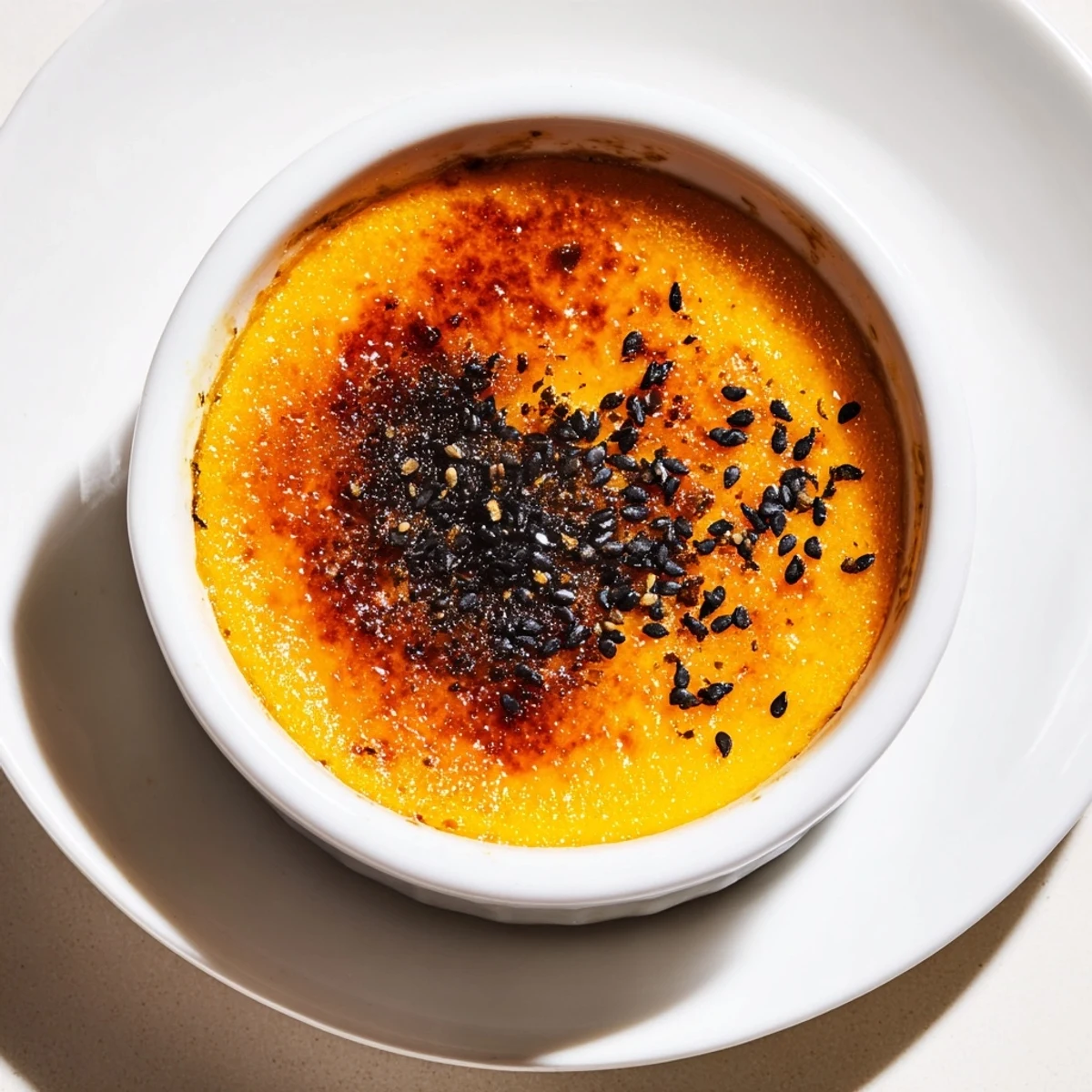
Move your torch in slow circles about two inches above the sugar, letting the flame do the work rather than pressing down. You want an even amber color across the entire surface. The sugar will bubble and hiss, which is exactly what you want to hear.
Serving Suggestions
A few black sesame seeds sprinkled over the burnt sugar add visual drama and a nutty contrast. If you are feeling extra fancy, top with a small piece of candied sweet potato or a light dusting of matcha powder.
- Pair with a cup of hojicha tea to bring out the roasted notes
- Serve with crisp butter cookies on the side for texture contrast
- Consider a small dollop of unsweetened whipped cream to balance the sweetness
 Save
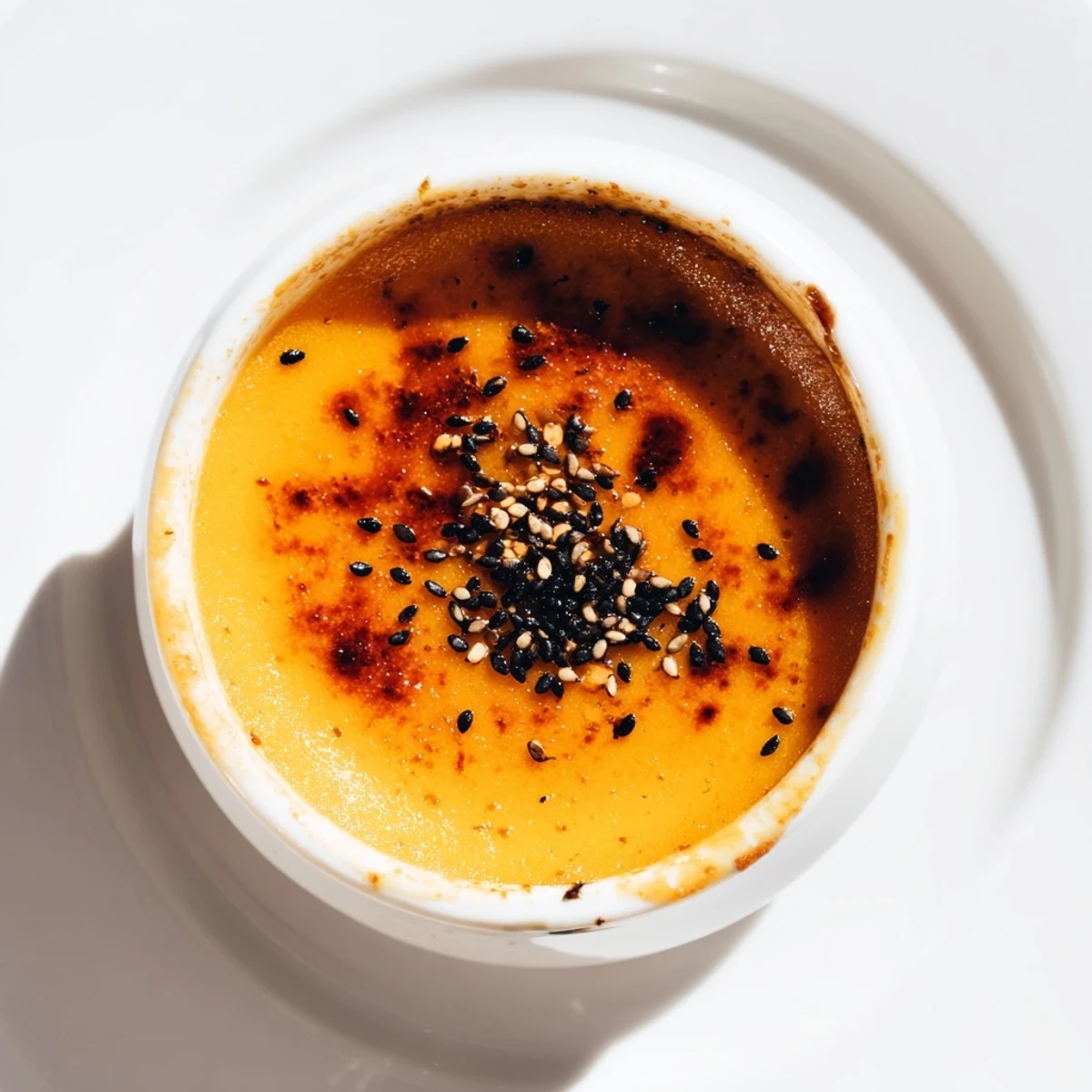
Save There is something magical about breaking through that caramelized sugar crust and sinking into the custard below. This is the dessert I make when I want to feel like I am hosting a dinner party, even on a random Tuesday.
Questions & Answers
- → What makes Japanese sweet potatoes different?
-
Japanese sweet potatoes have a naturally sweet, nutty flavor with purple-red skin and creamy yellow flesh. They're less starchy than orange varieties, creating a silkier custard texture.
- → Can I make this without a kitchen torch?
-
Yes, you can use your oven's broiler setting. Place ramekins on the top rack and broil for 1-2 minutes, watching constantly to prevent burning. The torch gives more control.
- → How long should the custard chill before serving?
-
Refrigerate for at least 2 hours, but preferably 4 hours or overnight. The custard needs time to fully set and develop its creamy texture before adding the caramelized sugar layer.
- → Can I prepare this in advance?
-
Absolutely. Make the custards up to 2 days ahead and refrigerate. Add the sugar topping and torch just before serving—the caramelized layer is best within minutes of caramelization.
- → What's the best way to achieve a smooth texture?
-
Strain the custard mixture through a fine mesh sieve after combining the sweet potato purée with egg yolks. This removes any fibrous bits and ensures perfectly silky results.
- → Can I make this dairy-free?
-
Yes, substitute coconut cream for heavy cream and use a plant-based milk for the whole milk. The flavor profile will change slightly, but the texture remains luxurious.