
 Save
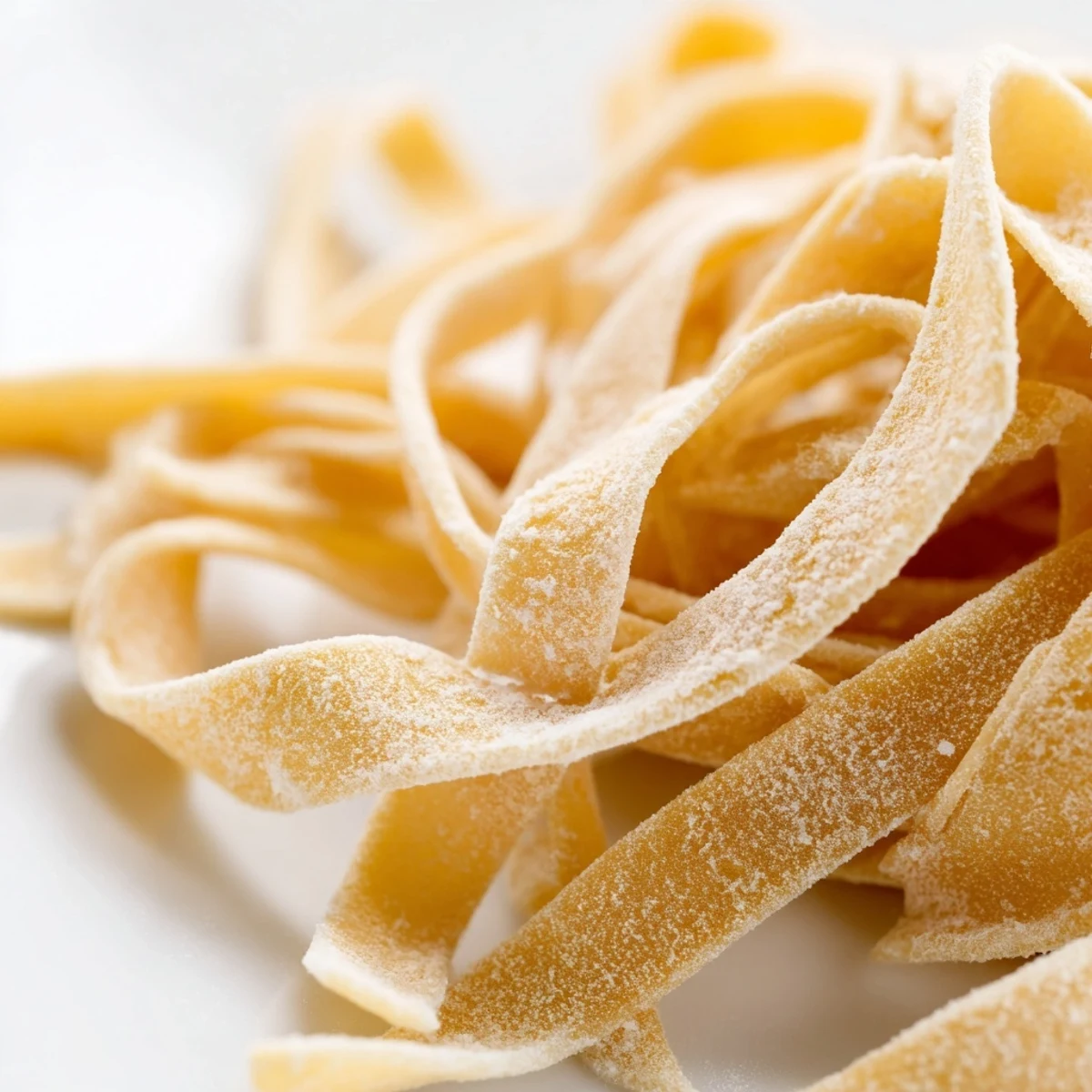
Save Craft authentic Italian-style pasta at home using your active sourdough starter. The fermentation adds a subtle tang while creating a delightfully chewy texture that commercial pasta cannot match. This versatile dough works beautifully for tagliatelle, fettuccine, pappardelle, or sheets for lasagna and ravioli.
The dough requires a simple mixing process followed by an hour of resting to develop gluten structure. Kneading for 8–10 minutes ensures the proper elasticity for rolling and shaping. The pasta cooks quickly in salted boiling water, reaching perfect al dente texture in just 2–3 minutes.
Customize your creation by incorporating fresh herbs or spices directly into the dough. The prepared dough keeps well refrigerated for up to 24 hours, making it convenient for meal planning. Pair with robust tomato sauces, vibrant pesto, or simple browned butter and sage for a memorable dining experience.
The first time I made sourdough pasta, I was honestly just trying to use up some extra starter. I'd been feeding my sourdough like clockwork every morning, and those discard jars were piling up in the fridge. Something about the idea of folding that fermented tang into fresh pasta noodles seemed like a beautiful experiment. One bite of those rustic, chewy strands, and I knew my pasta-making routine had changed forever.
I remember making this for my sister last winter, right when she was recovering from surgery. She'd been craving something comforting but not too heavy, and this pasta hit exactly the right note. We stood at the counter together, cutting wide ribbons of pappardelle and dusting them with flour until our hands were coated in white. She ate three bowls that night, and I've never felt more like cooking was its own kind of medicine.
Ingredients
- All-purpose flour: The structure here needs to be reliable, and this flour delivers without any fancy games
- Active sourdough starter: This is where the magic happens, bringing tang and tenderness in equal measure
- Large eggs: Room temperature eggs incorporate more easily into the dough for better consistency
- Fine sea salt: Don't skip this, it amplifies all the subtle flavors we're building
- Olive oil: Totally optional, but I find it makes the dough more forgiving and cooperative
Instructions
- Mix the foundation:
- Whisk your flour and salt together in a wide bowl, then create a generous well in the center where all the wet ingredients will live happily together.
- Build the dough:
- Pour in the bubbly starter, crack those eggs right into the center, and add the olive oil if you're using it. Use your fork to gradually pull flour into the wet ingredients from the edges, working slowly until a shaggy, messy dough begins to form.
- Work it through:
- Turn onto a lightly floured surface and knead for a solid 8 to 10 minutes. The dough will transform from tacky and reluctant to smooth, elastic, and responsive under your hands.
- Let it rest:
- Wrap your dough ball snugly in plastic and let it rest for an hour at room temperature. This rest is nonnegotiable, the gluten needs time to relax so it won't fight you when rolling.
- Roll and cut:
- Divide the dough in half, keep one portion covered while you work. Roll it through your pasta machine or with a rolling pin until it's translucent at the edges, then cut into whatever shape speaks to you today.
- Cook and serve:
- Boil your pasta in generously salted water for just 2 to 3 minutes, until it floats and offers just the slightest resistance when you bite into it.
 Save
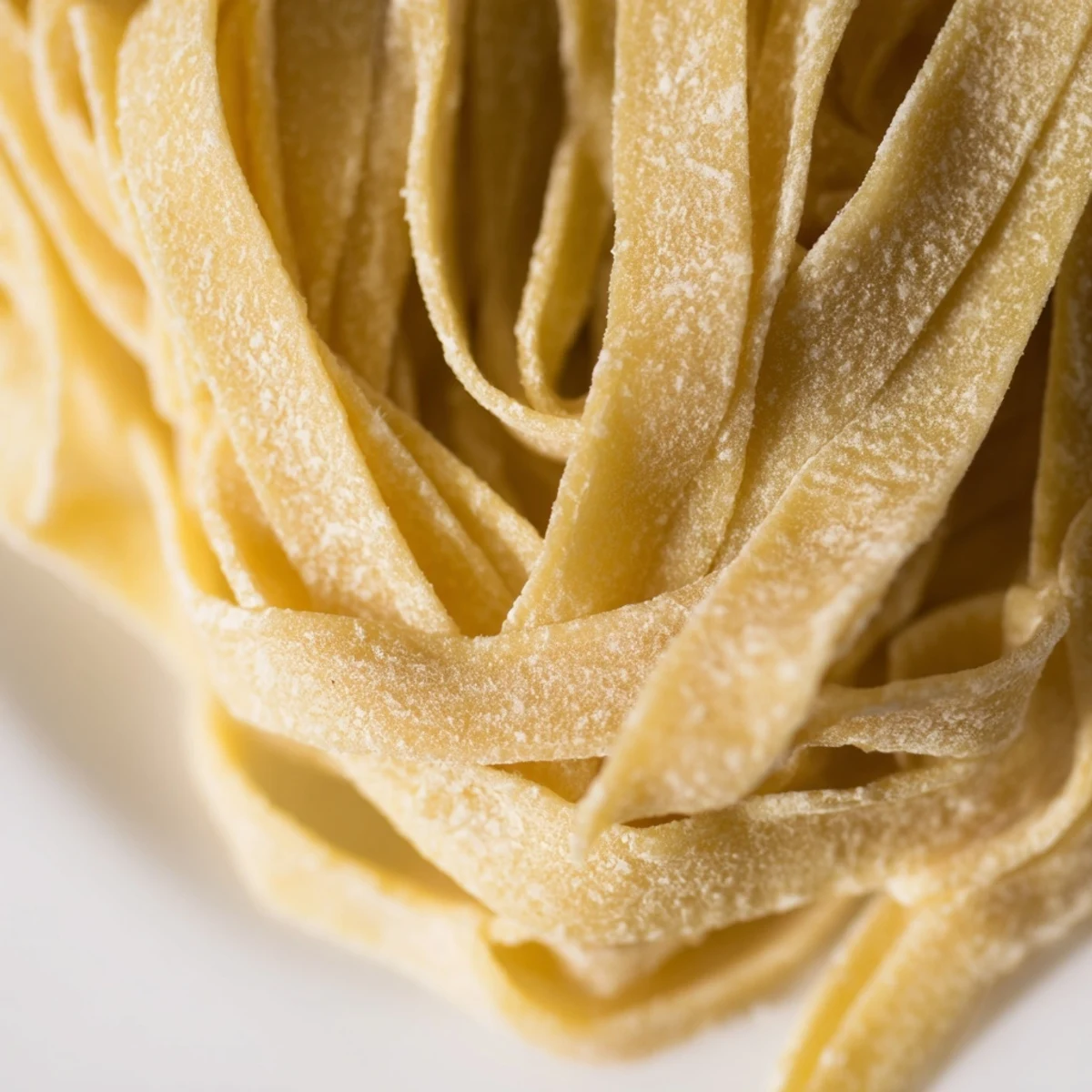
Save My youngest nephew helped me make this last Sunday, and he was absolutely fascinated by the transformation. He kept pressing his finger into the dough before and after resting, marveling at how something could be so stubborn then suddenly so yielding. We made the worst shaped pappardelle in history, but he ate his weight in pasta and asked when we could do it again. Those are the cooking moments I treasure most.
Working With Sourdough Dough
Sourdough pasta dough behaves differently than traditional egg pasta. It has more personality, more elasticity, sometimes more opinions. I've learned to work with it rather than against it. If it's fighting back during rolling, give it another 10 minutes to rest. The fermentation makes it more forgiving in some ways, more particular in others, but always worth the conversation.
Sauce Pairings
The tang in this pasta plays beautifully with so many sauces. I love it with browned butter and fresh sage, the nutty sweetness balancing that slight sourdough twang. Tomato sauces work wonderfully too, the acidity complementing rather than competing. And don't overlook a simple pesto, the fresh basil really sings against those fermented notes.
Storage And Timing
You can make this dough up to 24 hours ahead and refrigerate it, wrapped tight. Just let it come to room temperature for about 30 minutes before rolling, otherwise it'll be stubborn and cold. Fresh cut pasta can be dusted with flour and frozen in single serving portions, ready to drop directly into boiling water on busy nights.
- Dust cut pasta generously with semolina flour if freezing, it prevents sticking better than all purpose
- The dough develops even more flavor if you let it rest in the refrigerator overnight
- Leftover cooked pasta keeps well for a day or two, though it's truly best eaten immediately
 Save
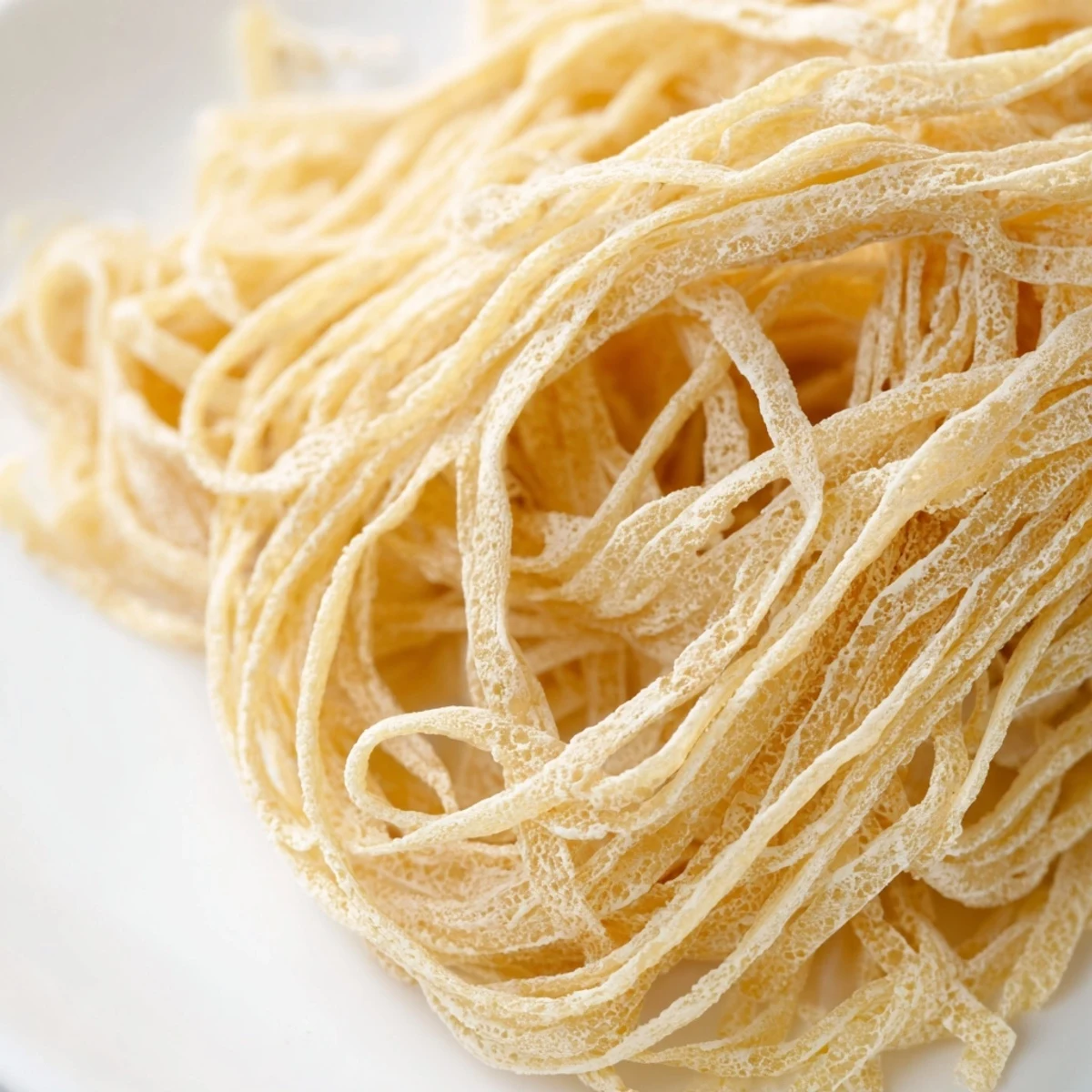
Save There's something deeply satisfying about turning what might have been discard into something this extraordinary. Every time I pull a batch of these noodles from the boiling water, glistening and tender, I'm reminded that the best recipes often come from the most practical beginnings. Happy pasta making, friends.
Questions & Answers
- → What makes sourdough pasta different from regular pasta?
-
Sourdough pasta incorporates fermented starter, which adds a subtle tangy flavor and creates a more complex taste profile. The fermentation process also breaks down some gluten, potentially making it easier to digest while maintaining excellent chewy texture when cooked.
- → Can I use discard starter instead of active starter?
-
Active, bubbly starter yields the best results as it provides proper leavening and flavor development. While discard might work, the pasta texture and rise could be compromised. Feed your starter at least 4–6 hours before making pasta for optimal performance.
- → How thin should I roll the pasta dough?
-
For filled pasta like ravioli, roll to thickness setting 6–7 on a pasta machine. For long noodles like fettuccine or tagliatelle, setting 4–5 works well. Thicker settings (2–3) create hearty pappardelle. Always aim for even thickness throughout the dough sheet.
- → Why is resting time important for pasta dough?
-
Resting allows gluten strands to relax after kneading, making the dough more pliable and easier to roll thin without springing back. This hour-long rest significantly improves workability and results in smoother, more professional-looking pasta shapes.
- → Can I freeze this pasta dough or shaped pasta?
-
Yes, both freeze beautifully. Wrap dough portions tightly in plastic and freeze for up to 3 months. For shaped pasta, dust generously with flour, freeze in single layers on baking sheets, then transfer to bags. Cook frozen pasta directly—no need to thaw, though cooking time may increase by 1–2 minutes.
- → What sauces pair best with sourdough pasta?
-
The tangy flavor complements robust tomato-based sauces beautifully. Fresh basil pesto highlights the rustic qualities, while browned butter with sage adds nutty depth. Creamy mushroom sauces or simple garlic and olive oil also let the unique flavor shine through.