
 Save
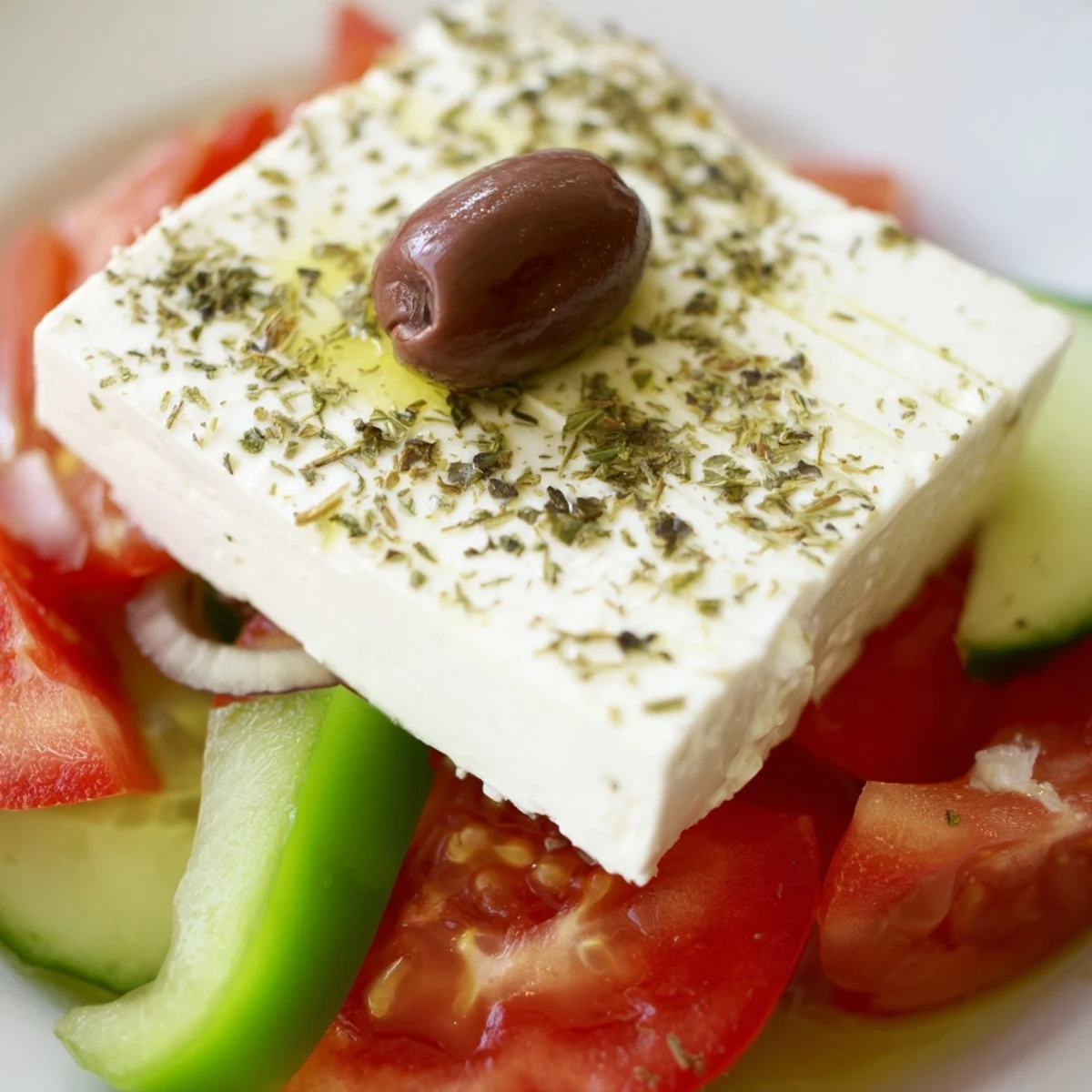
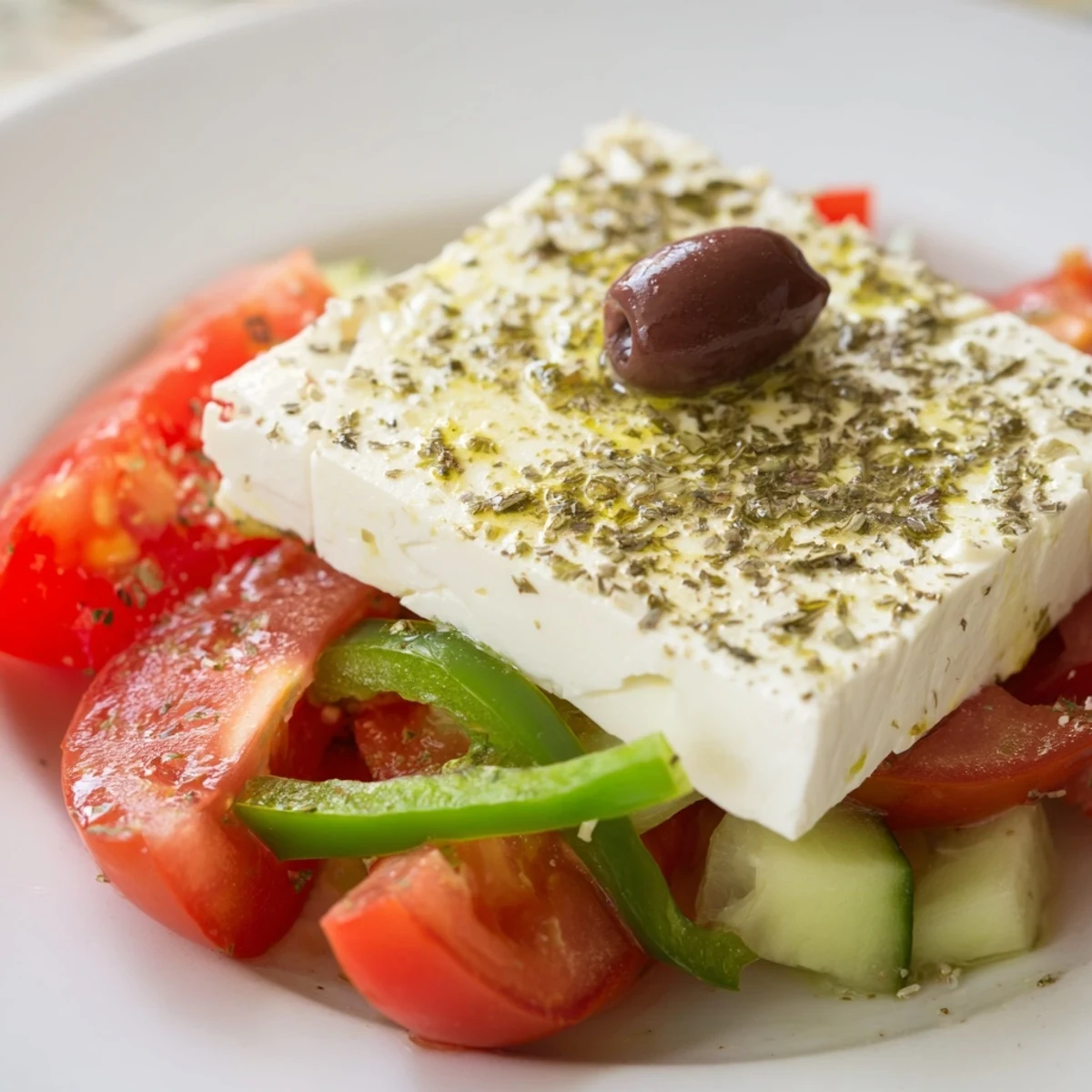
Save This vibrant Mediterranean dish combines crisp cucumbers, ripe tomatoes, and red onions with tangy Kalamata olives and rich feta. Whisk together olive oil, red wine vinegar, and oregano for a simple, authentic dressing that ties everything together perfectly.
There's something about the smell of fresh tomatoes meeting oregano-scented oil that transports me straight to a small taverna overlooking the Aegean, even though I was just standing in my kitchen on an ordinary Tuesday. A friend had brought back a jar of proper Kalamata olives from Greece, and I couldn't resist building a salad around them that same evening. The simplicity of it struck me most—no cooking, just assembly, and somehow that made it feel more real than anything I'd spent hours hovering over a stove to create.
I made this for a summer dinner party where I'd invited too many people and way too little confidence in my cooking skills. Instead of panicking, I leaned into what I knew worked—quality ingredients that didn't need rescuing. Everyone came back for seconds, and more than one person asked me to write down what I'd done. It was the first time I realized that sometimes the best entertaining isn't about impressing with technique; it's about trusting that good tomatoes and good feta really are enough.
Ingredients
- Ripe tomatoes (2 cups, chopped or wedged): The whole salad lives or dies here—choose ones that smell like tomatoes, not cardboard, and use them the day you buy them if you can.
- Cucumber (1 large, sliced): Leave the skin on if it's organic or from a farmers market; that's where the flavor is, and the texture matters.
- Red onion (1 small, thinly sliced): Thin slices mean it won't overpower, and the slight sharpness balances everything else perfectly.
- Green bell pepper (1, sliced): Pick one that feels heavy and firm, and don't worry about fancy cuts—rough slices are more honest.
- Feta cheese (150 g, cubed or crumbled): Buy it from a good source and taste it before committing; quality feta has a tangy bite, not just saltiness.
- Kalamata olives (100 g, pitted): These are the soul of the salad—briny, meaty, worth spending a little extra on.
- Extra-virgin olive oil (3 tbsp): This is not the place to skimp; use something you'd actually want to taste on its own.
- Red wine vinegar (1 tbsp): The acidity needs to be bright and real, not muted or chemical-tasting.
- Dried oregano (1 tsp): Rub it between your fingers before sprinkling to wake it up and release its oils.
- Sea salt and black pepper (¼ tsp each, to taste): Always finish tasting as you go; salt and pepper are your volume knobs, not your final answer.
Instructions
- Gather and prep your vegetables:
- Set up your cutting board and knife, then slice and chop with intention—the salad is only as good as these first few minutes of attention. If you're rushing, pause and breathe; this is a salad that rewards slowness.
- Build the bowl:
- Add tomatoes, cucumber, red onion, and bell pepper to a large salad bowl in layers or all at once—there's no wrong way here. Top with olives and feta, letting them nestle into the vegetables like they're meant to be there.
- Make the dressing:
- In a small bowl, whisk oil, vinegar, oregano, salt, and pepper until they start to hold together momentarily. Taste it straight from the whisk; it should make your mouth water.
- Dress and serve:
- Drizzle the dressing over the salad and gently toss everything together, or present it undressed and let people add their own—both are equally Greek and equally valid. Serve immediately while everything is still cold and crisp.
 Save
Save I learned the real lesson of this salad one night when I sat alone with a bowl of it, no company, no occasion. Just me and the realization that sometimes food doesn't need a reason or an audience to be worth making. That bowl taught me something about cooking for myself with the same care I'd give to others.
When Freshness Is Everything
This salad has no protective layers, no cooking time to mellow flavors or bind things together. Every tomato should taste like summer, every cucumber should snap when you bite it, and the feta should taste like it came from somewhere specific. If you're using supermarket vegetables in January, you're not making this salad—you're making something that looks like this salad. Wait for the season, or find a market with better tomatoes. It truly does make a difference.
The Art of Restraint
The original recipe doesn't need much, but I've discovered that small additions can either enhance or muddy the waters. Fresh mint feels natural here, as does a scatter of chopped parsley or a handful of capers for those who love briny complexity. The key is asking yourself: does this ingredient belong to this salad, or am I just adding it because I have it on hand? That question has saved me from many kitchen mistakes.
Making It a Meal
Serve this alongside warm pita bread, crusty sourdough, or grilled flatbread to make it feel like more than a side. Some nights I've paired it with grilled fish or chicken, but honestly, I love it most as the main event—a cool, substantial bowl that doesn't require heating up the kitchen. It's a salad that respects your time and your hunger equally.
- Prepare the vegetables up to 2 hours ahead and keep everything in the fridge; just dress it right before eating.
- Double the dressing recipe if you like a saucier salad, or keep it minimal if you prefer vegetables to taste like themselves.
- Always taste the final dish before serving and adjust salt, vinegar, or oil to your preference—this salad is forgiving and wants your input.
 Save
Save This salad is a reminder that cooking doesn't have to be complicated to be nourishing or delicious. Make it when you need something light and real.
Questions & Answers
- → Is this authentic?
-
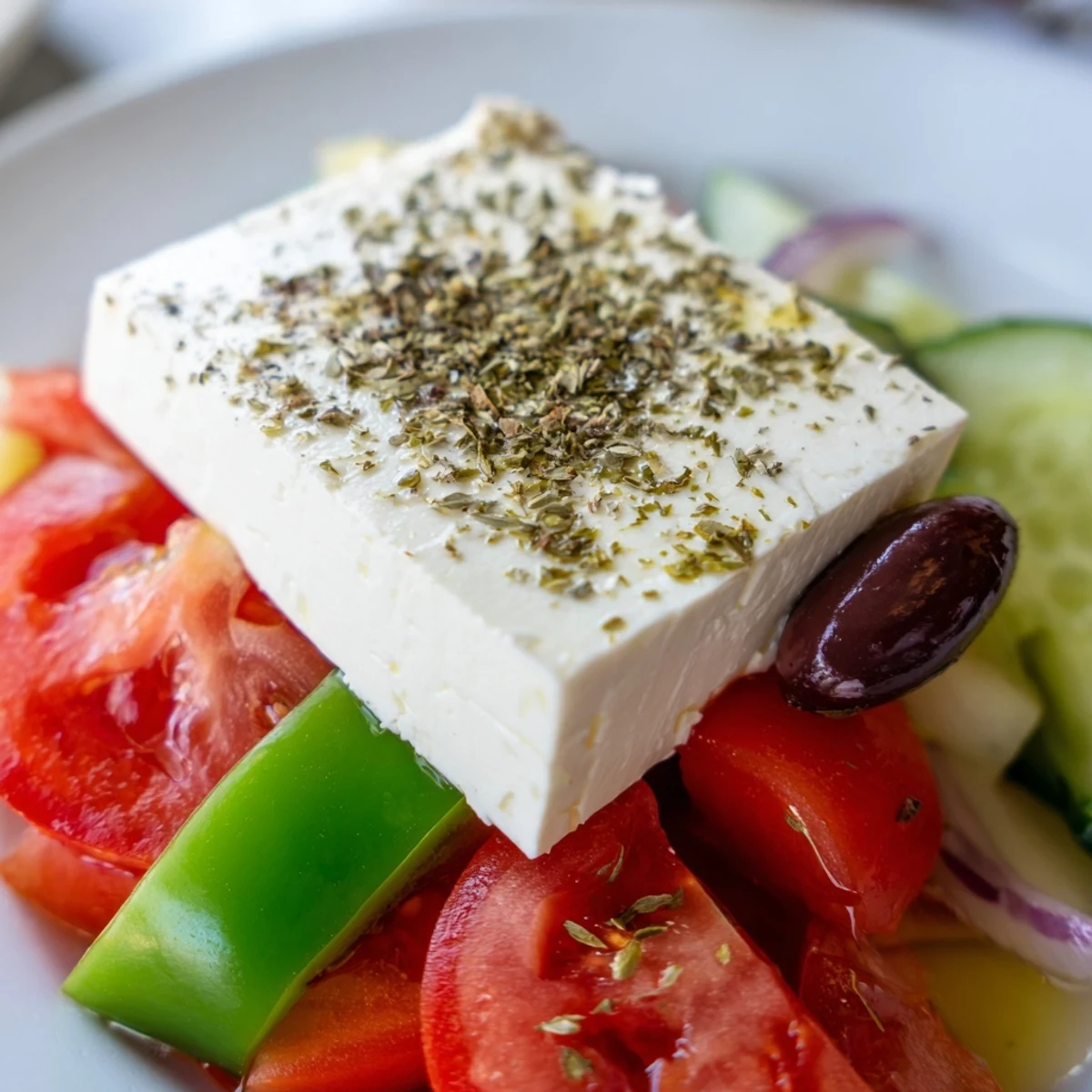
Yes, it follows the classic Horiatiki style, featuring large chunks of vegetables and a block of feta rather than crumbled cheese.
- → Can I make it ahead?
-
Yes, chop vegetables and store them separately in the fridge for up to 2 hours. Dress just before serving to keep it crisp.
- → Is it gluten-free?
-
Naturally, it is gluten-free as it relies on fresh produce, olives, cheese, and olive oil without any grain-based ingredients.
- → What should I serve with it?
-
It pairs perfectly with crusty bread, grilled pita, or as a refreshing side to grilled meats and fish.
- → What type of feta is best?
-
Traditional Greek feta made from sheep's milk or a mix with goat's milk provides the best creamy texture and tangy flavor.