
 Save
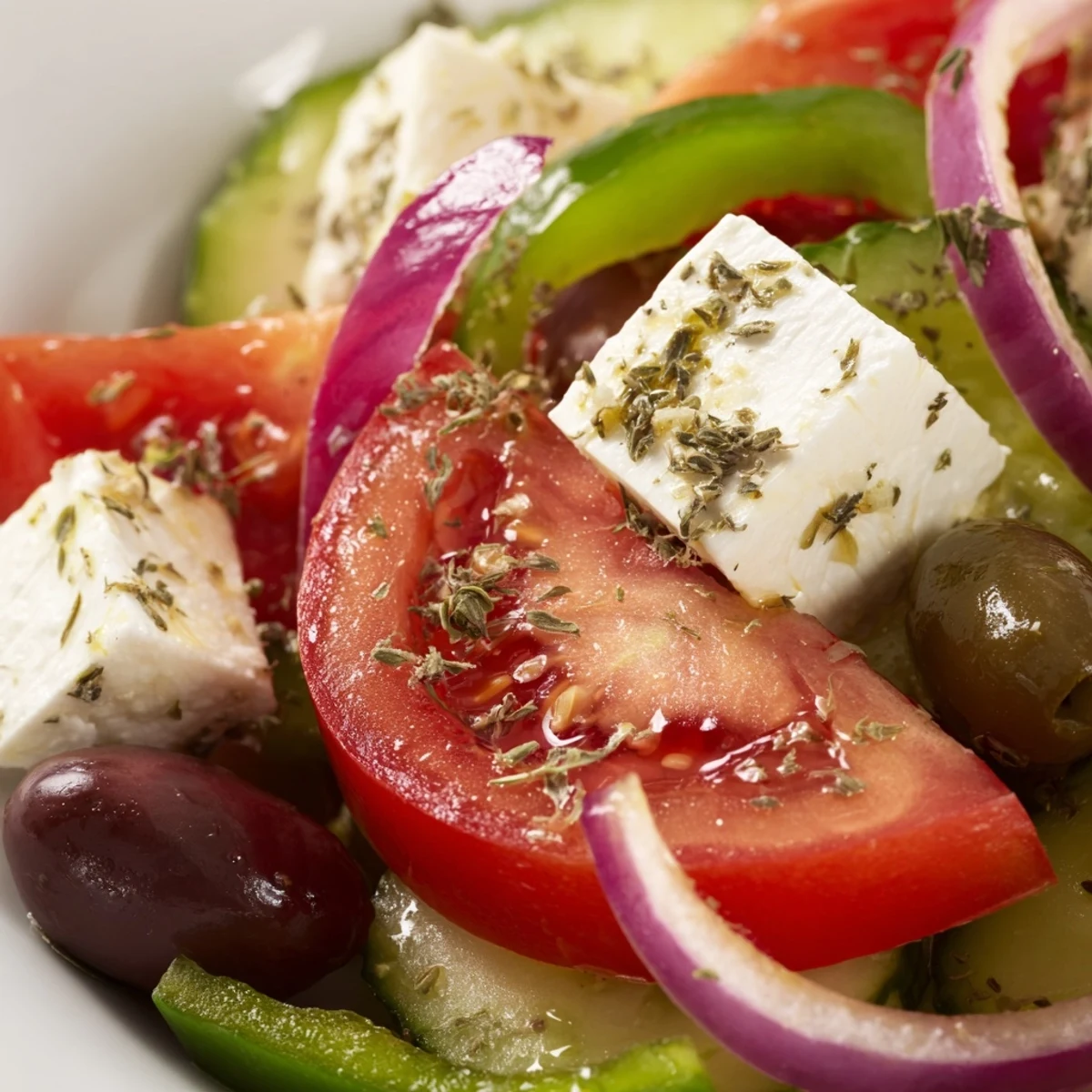
Save This vibrant salad combines ripe tomatoes, crisp cucumbers, tangy Kalamata olives, and creamy feta cheese. Tossed with extra virgin olive oil, red wine vinegar, and dried oregano, it offers a refreshing balance of flavors perfect for a light meal or side dish. Quick to prepare and naturally gluten-free, this dish celebrates classic Greek ingredients with a simple, fresh approach.
There's something about a proper Greek salad that takes me back to a sun-drenched afternoon when a friend pulled a bowl of this together while we sat on her balcony overlooking the city. She didn't fuss or measure carefully—just tossed tomatoes, cucumbers, and olives with the kind of ease that comes from making something a hundred times. The smell of good olive oil and oregano filled the air, and suddenly, lunch felt less like a meal and more like a moment. That's when I realized it wasn't the individual ingredients that made it special; it was how they trusted each other on the plate.
I made this for a potluck once and watched people go back for seconds while still holding their first plate. One woman asked if I'd spent hours on it; I had to admit I'd thrown it together in the car ride over. She didn't believe me. That's the magic of this salad—it looks intentional and tastes like you care, even when you're working with minimal time and maximum freshness.
Ingredients
- Ripe tomatoes: Hunt for ones that smell sweet at the stem and feel heavy for their size; pale supermarket tomatoes will disappoint you.
- Cucumber: Peel it if the skin looks waxy, but leave the flesh alone—it should snap when you bite it.
- Red onion: Slice it thin enough that light passes through; thick pieces will dominate and overpower everything else.
- Green bell pepper: Choose one that feels firm and glossy; a wrinkled pepper means it's been sitting around too long.
- Feta cheese: Buy it in a block and cut it yourself if you can; pre-crumbled goes grainy and sad.
- Kalamata olives: Taste one before committing to a jar; some are meaty and buttery, others are mushy and one-note.
- Extra virgin olive oil: This is not the place to skimp—cheap oil tastes thin and flat.
- Red wine vinegar: It should smell sharp and alive; if it smells muted, get a new bottle.
- Dried oregano: Crush it between your palms just before using to wake up the oils and release the flavor.
Instructions
- Gather everything while it's cold:
- Chill your bowl in the freezer for five minutes if you have time; this keeps the salad crisp and the feta from sweating. It's a small gesture that pays off.
- Build the base vegetables:
- Toss tomatoes, cucumber, onion, and bell pepper together in your bowl with a gentle hand—you want them to tumble and mingle, not get bruised. This is when the salad starts to come alive.
- Scatter in the olives:
- Add them whole or halved, depending on your mood and how you like to eat; let them roll across the vegetables like little flavor grenades. They'll sink to the bottom if you let them, so a light toss keeps them distributed.
- Crown it with feta:
- Add the cheese last so it doesn't get crushed or waterlogged; chunks look better than crumbles, and they hold their shape longer. Don't be shy—you want every forkful to have some.
- Make the dressing matter:
- Whisk oil and vinegar together, taste it straight from the spoon, and adjust until it sings; this is where the whole salad gets its personality. Dried oregano should be crushed in your palm first to release its oils.
- Dress and serve:
- Drizzle gently, toss with restraint, and serve right away; a salad waits for no one, and the vegetables will start releasing water after a few minutes. Fresh oregano on top is optional but feels like a gift to yourself.
 Save
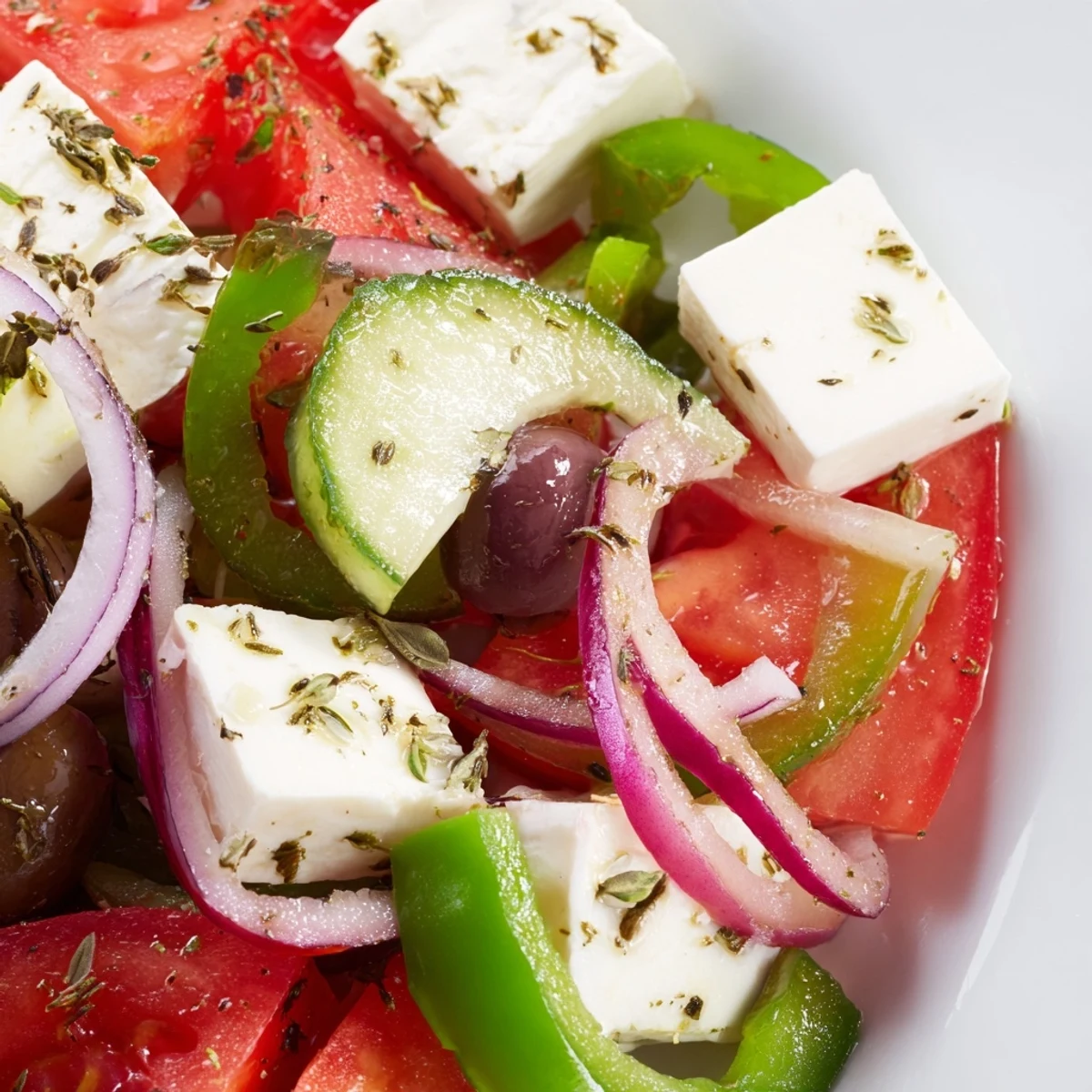
Save There was an evening when I brought this to a friend's house, and she served it alongside grilled fish as the whole meal revolved around it. No one picked at the salad around other dishes—they were eating it with intention, savoring each bite, talking about the quality of the olives. That's when I understood that simplicity isn't lazy; it's confident.
The Beauty of Restraint
This salad teaches you something important: you don't need a long list of fancy techniques to make people happy. The ingredients speak for themselves, and your job is just to get out of the way and let them shine. It's a lesson that extends beyond cooking, really—sometimes less is exactly right.
Variations Worth Trying
Once you've made this a few times and it feels like second nature, you can play. Add sliced avocado if you want richness, toss in white beans or chickpeas if you need it to be more substantial, or swap the red wine vinegar for lemon juice if you want brightness over depth. I've even added thin strips of grilled chicken when I wanted to call it dinner instead of a side. The structure holds everything.
Serving and Pairing Ideas
Serve this cold, always—it's meant to refresh and cool you down, especially on warm days when you don't want to heat up the kitchen. It pairs beautifully with grilled fish, roasted lamb, or crusty bread and cheese if you're making a spread. I've served it at picnics, potlucks, and casual dinners, and it's never disappointed.
- If you're taking it somewhere, dress it in the car right before serving to keep everything crisp.
- A crusty chunk of bread is perfect for soaking up the last of the olive oil at the bottom of the bowl.
- Leftovers can be eaten the next day, but the salad truly sings when it's fresh and the vegetables still have their snap.
 Save
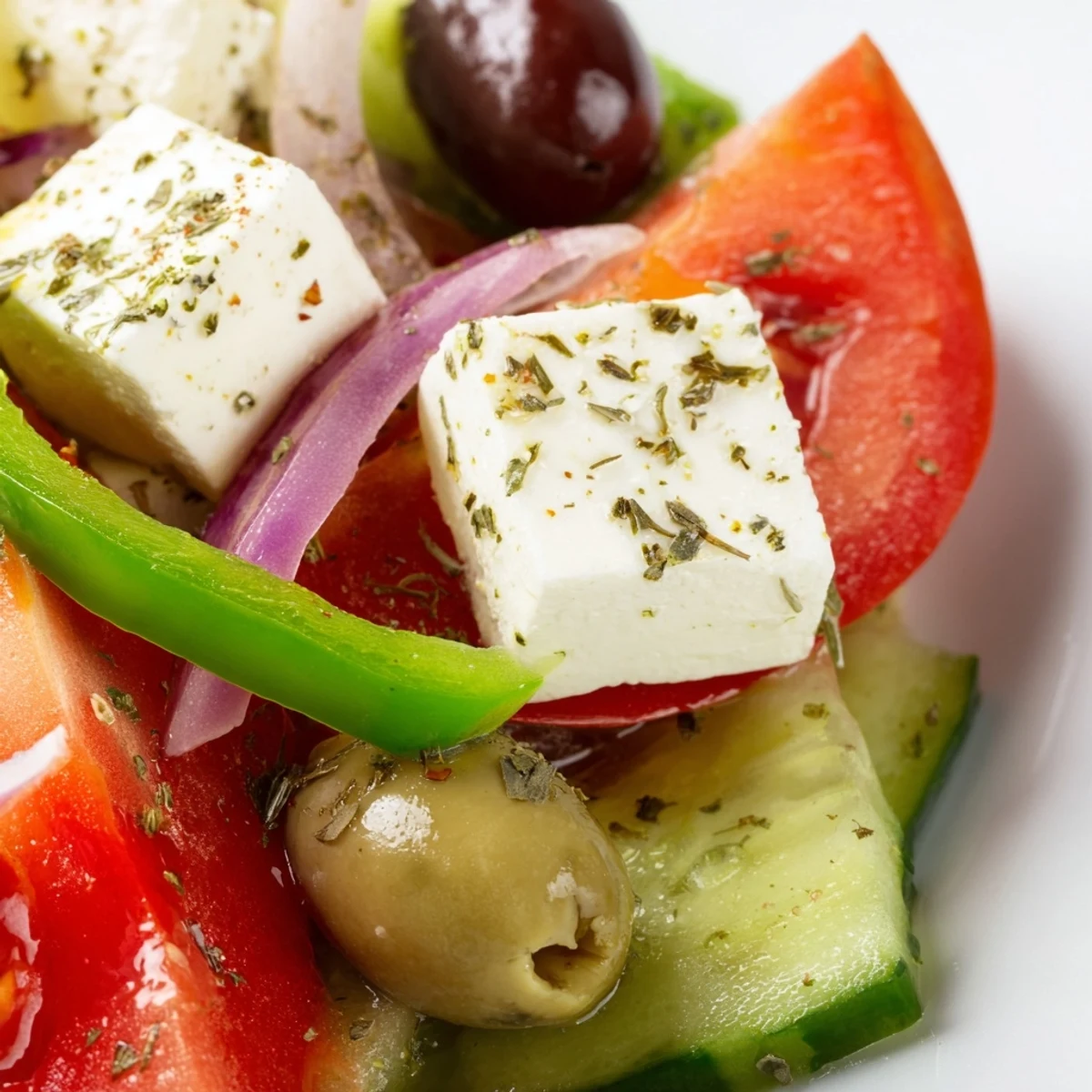
Save This salad has become my answer to the question "what should I bring?" because it never fails and it always fits. It's the kind of dish that reminds you why fresh food in its simplest form is often the most satisfying.
Questions & Answers
- → What makes Kalamata olives special in this salad?
-
Kalamata olives add a distinctive tangy and slightly fruity flavor that complements the fresh vegetables and creamy feta, enhancing the salad's authenticity.
- → Can I substitute feta cheese with another type of cheese?
-
Yes, you can use cheeses like goat cheese or halloumi for a different texture and flavor, though feta is traditional for its crumbly, salty profile.
- → Is this dish suitable for a gluten-free diet?
-
Absolutely. The ingredients are naturally gluten-free, making it safe for those avoiding gluten.
- → How should the salad dressing be prepared?
-
The dressing is made by whisking together extra virgin olive oil, red wine vinegar, dried oregano, salt, and pepper, then drizzled over the salad just before serving.
- → What optional ingredients can enhance this salad?
-
Adding sliced avocado or cooked chickpeas can increase the salad's heartiness and texture variety.