
 Save
Save This glossy icing is crafted by whipping egg whites and powdered sugar to stiff peaks, creating a durable and hard-drying frosting ideal for assembling and decorating gingerbread houses. The addition of cream of tartar stabilizes the mixture, while optional vanilla extract adds flavor. It's important to work quickly or keep it covered to prevent drying out. Adjust consistency with water or powdered sugar as needed.
I still remember the December when my grandmother first taught me to make gingerbread house icing in her kitchen. She pulled out this recipe written in her careful handwriting, tucked inside a worn recipe box, and told me that the secret to a house that would stand through the holidays wasn't fancy decorating—it was understanding the icing itself. That afternoon, watching her beat egg whites until they transformed into glossy peaks, I learned that sometimes the simplest things create the strongest foundations. This icing has been holding gingerbread houses together in my kitchen ever since.
Three years ago, I brought a gingerbread house to a neighborhood potluck, held together entirely by this icing. A child knocked it over during the party, and instead of crumbling, it stayed intact. Everyone laughed, but inside I was quietly proud of that sturdy little icing formula that had saved the day.
Ingredients
- Egg whites (3 large, room temperature): These are your building blocks—room temperature means they whip up faster and hold more air, which creates that cloud-like stability. Fresh eggs work best, and make sure your bowl is completely grease-free or they won't peak properly
- Powdered sugar (4 cups, sifted): Sifting prevents lumps that would weaken your icing and make piping impossible. Those lumps might look small, but they'll frustrate you halfway through decorating
- Cream of tartar (1/2 teaspoon): This stabilizes the egg whites, helping them hold their shape longer and turn glossy instead of staying grainy. It's the unsung hero that makes this icing reliable
- Vanilla extract (1 teaspoon, optional): Skip this if you want maximum strength—the vanilla adds flavor but slightly weakens the final set. It's your choice between taste and pure structural integrity
Instructions
- Start with foamy whites:
- Pour your room-temperature egg whites into a completely clean bowl and beat on medium speed with an electric mixer. You'll see the transformation almost immediately—they'll go from liquid to full of tiny bubbles, looking like sea foam. This takes about a minute, and you'll know you're there when the mixture sits up slightly in the bowl.
- Add the stabilizer and reach soft peaks:
- Sprinkle in the cream of tartar and keep beating. Watch carefully—soft peaks form when you lift the beaters and the foam curls over gently at the tip, like a wave about to break. Don't rush past this stage; you need this foundation.
- Incorporate sugar gradually:
- Add powdered sugar one cup at a time, beating on low speed just until each cup disappears into the foam. Then crank it up to high speed and beat for a full minute before adding the next cup. This gradual approach prevents you from overworking the mixture too fast and getting a grainy texture.
- Build to stiff peaks and glossy perfection:
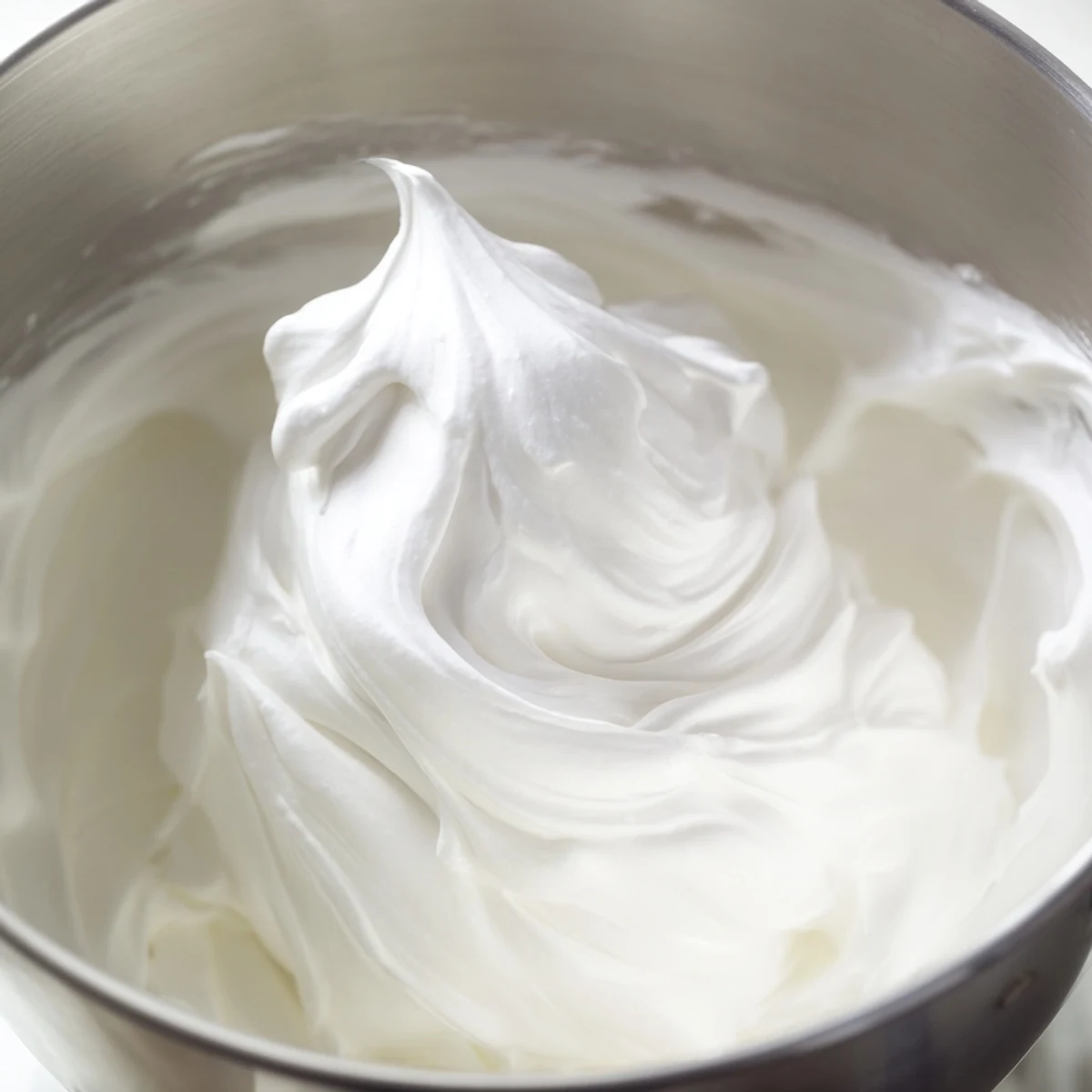
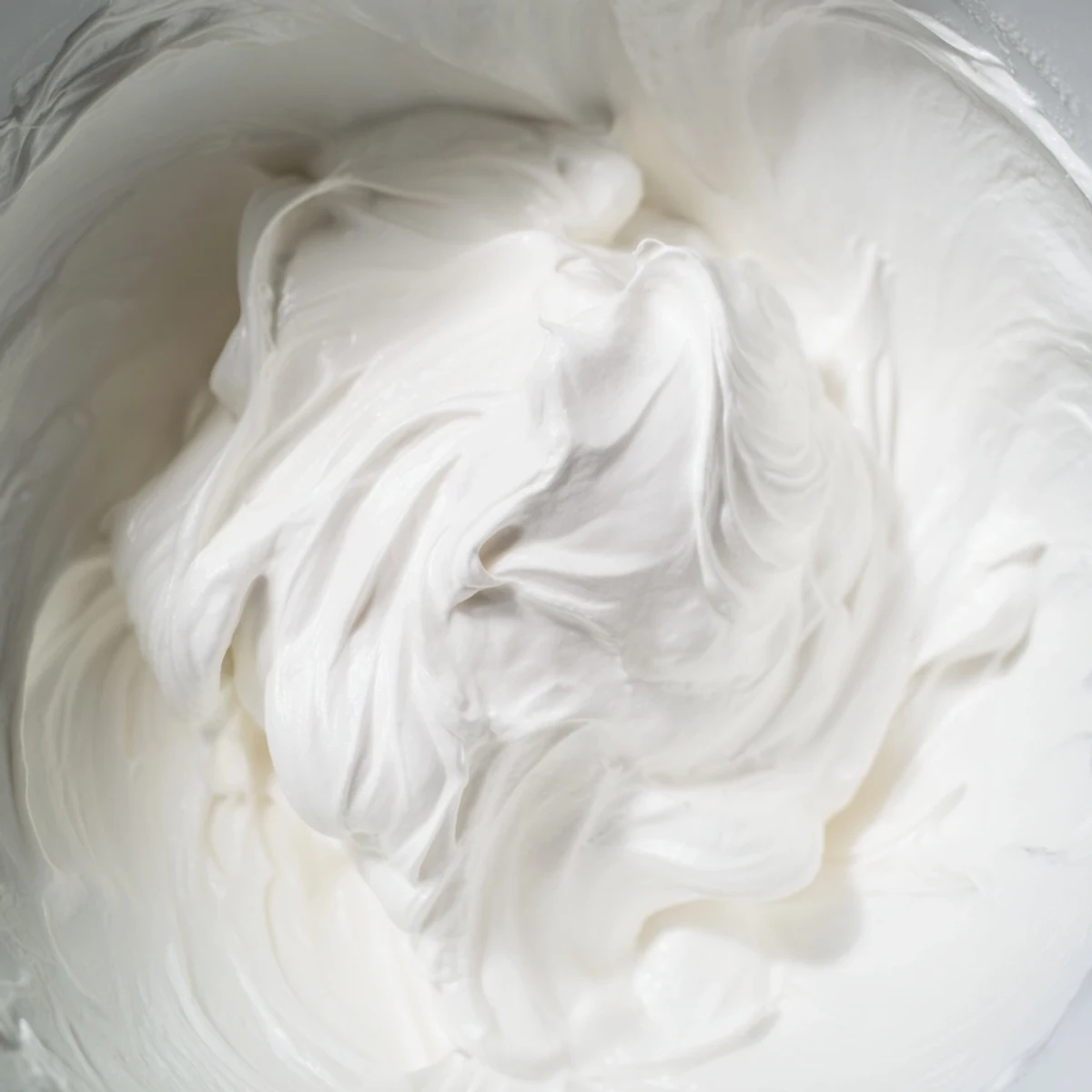
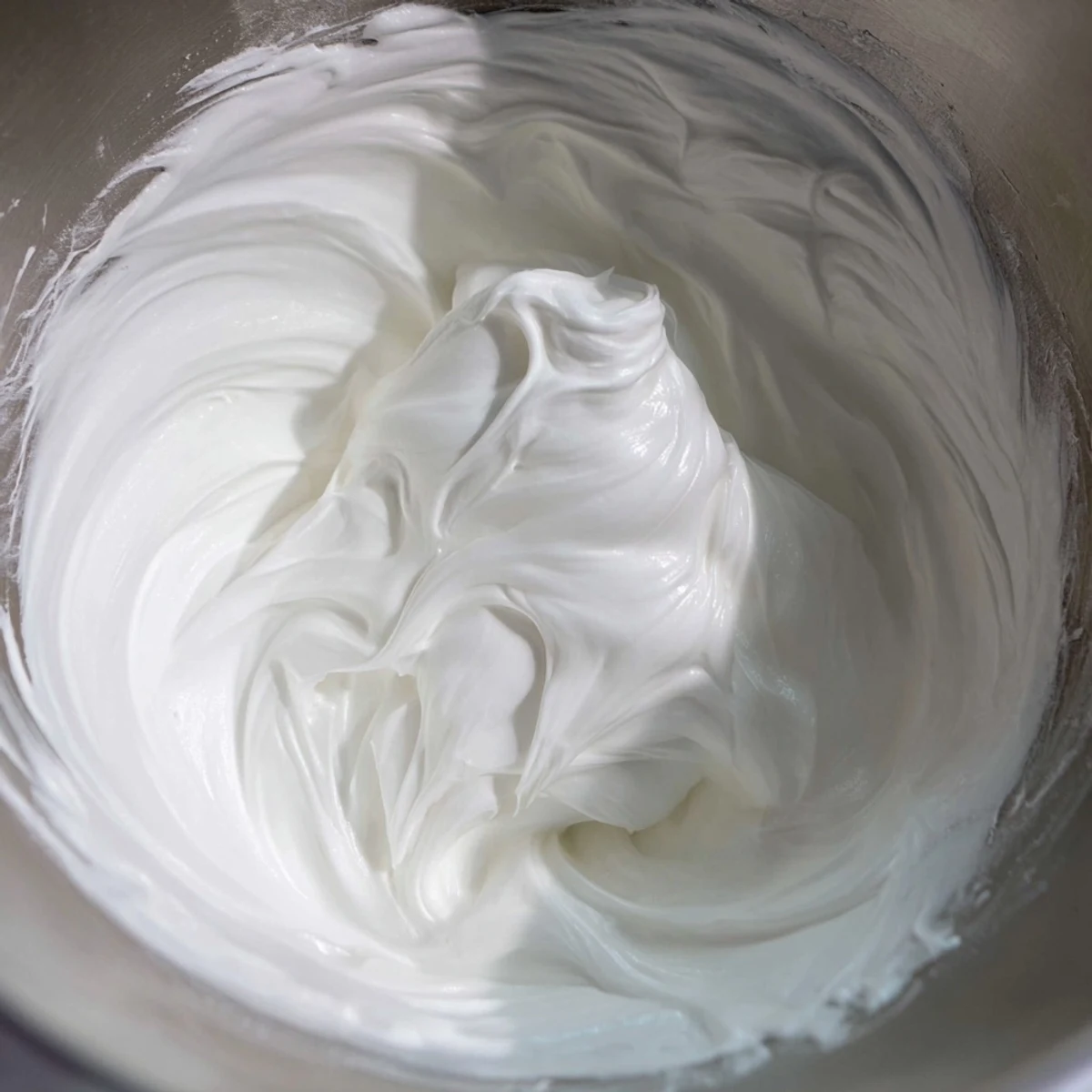
- Keep beating on high speed for 5 to 7 minutes total, watching as the mixture transforms from fluffy to thick and creamy, then to glossy white peaks that stand straight up when you lift the beaters. It should look like meringue—hold its shape completely. Touch it with your finger; it should feel smooth and shiny, not grainy.
- Add vanilla and taste the moment:
- Fold in vanilla extract if you're using it, stirring gently just a few times. This is when your kitchen fills with that warm, holiday smell, and you know you're almost ready to build.
- Use immediately or protect it:
- Icing this delicate is best used right away, while it's at peak glossiness. If you need to pause for any reason, cover the bowl with a damp cloth—this prevents the surface from drying out and hardening while you work on other components of your house.
 Save
Save I'll never forget the year my cousin's daughter helped me decorate a gingerbread house with this icing. She was six years old, and instead of piping neat lines, she squeezed out wild, enthusiastic dollops of icing everywhere. We laughed the whole time, and when it dried, that house held together perfectly despite her joyful chaos. It taught me that this icing doesn't just build houses—it creates memories where precision matters less than the togetherness.
The Science of Strong Structure
Gingerbread house icing works through the power of coagulated protein and sugar crystallization. When you beat egg whites, you're essentially whipping air into them and partially unfolding the protein molecules, which creates a foam. The cream of tartar lowers the pH, helping those proteins set faster and more firmly. As the icing sits and dries, the powdered sugar crystallizes around the air pockets, creating a shell that hardens into something almost cement-like. This is why the ratio matters so precisely—too much sugar and it becomes brittle, too little and it stays soft.
Troubleshooting Your Icing Disasters
If your icing turns out too thick, add water one drop at a time and stir gently until you reach the right consistency—this usually happens when you've overbeaten or if the kitchen is very warm. Too thin means powdered sugar went in too fast or your eggs weren't beaten enough; add more sifted powdered sugar a tablespoon at a time and beat on medium speed. If the icing looks separated or curdled, you've either used cold eggs or a greasy bowl—there's no fixing this one, start fresh. The good news is that egg whites and powdered sugar are inexpensive ingredients, so restarting isn't a tragedy.
Customizing Your Icing for Presentation
Once you've perfected the basic formula, you can adapt it for different decorating needs. Add food coloring drop by drop to match your vision—gel colors work better than liquid because they don't thin the icing. If you want thinner icing for flooding flat surfaces, add water just a few drops at a time while stirring. For piping fine details and holding decorations, keep it thick and stiff. Some bakers add a tablespoon of meringue powder if they're concerned about raw eggs, though traditional recipes rely on the eggs for that perfect glossy finish that makes everything look professional.
- Keep backup batches mixed if you're working on a large house—this icing dries quickly, and having fresh supply means you won't rush or panic
- Practice your piping technique on a piece of parchment paper before committing to the house itself; muscle memory matters more than you'd think
- Always work in a cool kitchen if possible—heat makes the icing soften and spread, which is the enemy of precise assembly
 Save
Save Making gingerbread house icing is one of those small kitchen rituals that connects us to holidays past and future. It's proof that sometimes the most important things are made from just a few simple ingredients beaten into something stronger than their individual parts.
Questions & Answers
- → What ingredients create the glossy base?
-
Egg whites beaten with powdered sugar and cream of tartar form the glossy, sturdy icing base.
- → How do I achieve stiff peaks in the icing?
-
Beat egg whites on medium speed until foamy, add cream of tartar, then gradually add powdered sugar while increasing speed until stiff, glossy peaks appear.
- → Can I add color to the icing?
-
Yes, adding a few drops of food coloring allows customization without affecting texture.
- → How to fix the icing if too thick or thin?
-
Add a few drops of water to thin, or more powdered sugar to thicken the mixture.
- → What tools are recommended for preparation?
-
Use an electric mixer, large mixing bowl, spatula, and piping bags for best results.