
 Save
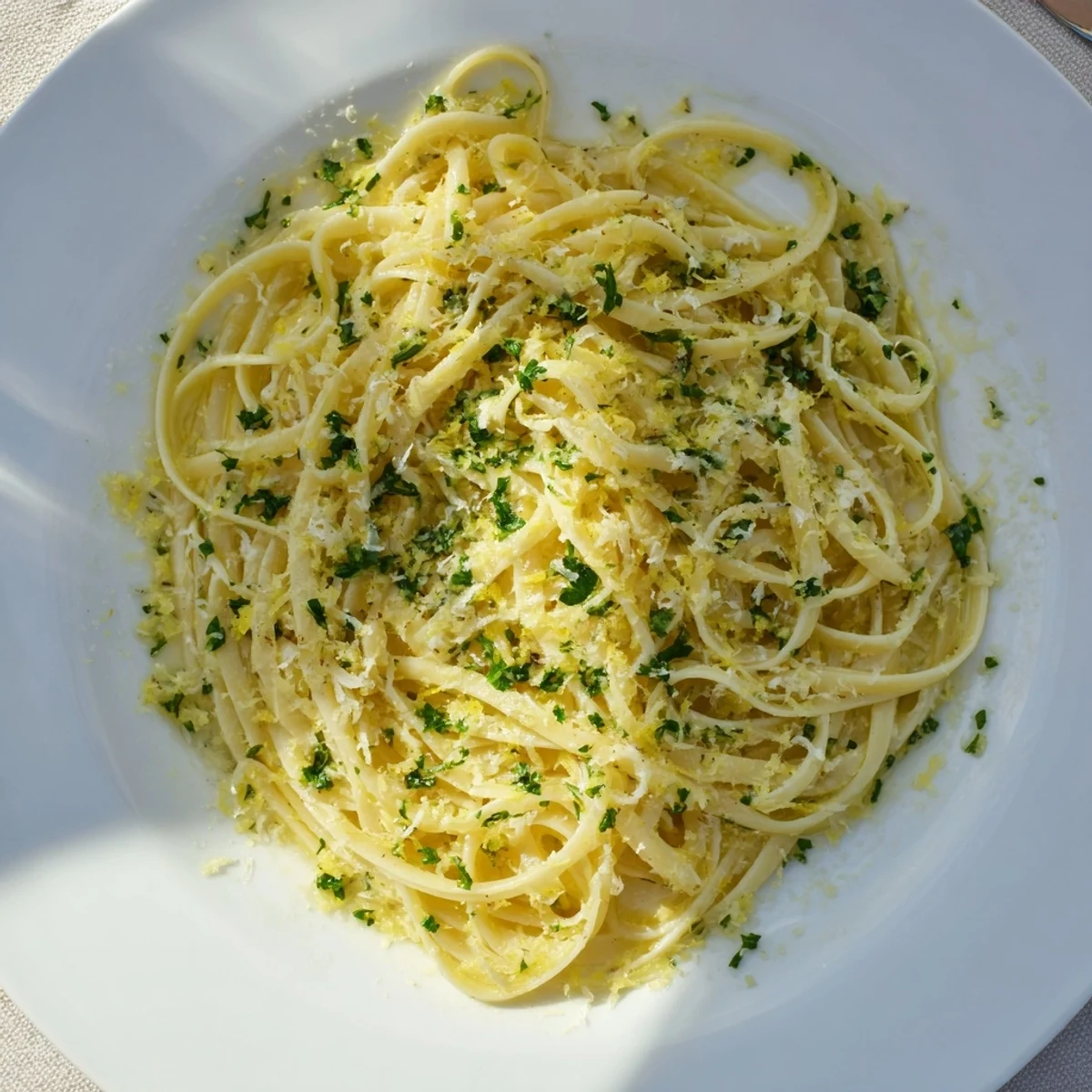
Save This dish features al dente pasta gently coated in a fragrant garlic and olive oil sauce. The garlic is slowly sautéed to a light golden color to release its aroma without bitterness. The sauce blends with reserved pasta water to lightly cling to the noodles. Fresh parsley and grated Parmesan finish the dish, adding brightness and savory depth. Optional additions like lemon zest and red pepper flakes add subtle complexity. Ideal for a quick, flavorful Italian-inspired main.
There's something almost meditative about garlic pasta—the way the kitchen fills with that golden, toasted aroma before anything even hits the plate. I made this dish on a Tuesday night when I had nothing in the pantry except pasta, olive oil, and a head of garlic, and somehow it became the meal people still ask me to cook. It taught me that simplicity, when done with care, needs no apologies.
I remember cooking this for my sister during a particularly rough week—she sat at my counter picking at the noodles while I worked, and by the third bite her shoulders actually relaxed. Food shouldn't require a story to be good, but this one happened to have one anyway.
Ingredients
- Spaghetti or linguine (400 g): The long strands catch the garlic oil better than shapes, and they cook faster than you'd expect.
- Extra-virgin olive oil (60 ml): This is where the magic lives—don't skip quality here, and don't use the cooking olive oil you keep for roasting.
- Garlic cloves (6 large, thinly sliced): Slicing instead of mincing gives you visible pieces that toast into golden, tender morsels rather than disappearing into nothing.
- Crushed red pepper flakes (1/2 tsp, optional): A small whisper of heat that wakes everything up without taking over.
- Salt and freshly ground black pepper: Taste as you go—the pasta water carries salt into the sauce, so go easy at first.
- Freshly grated Parmesan cheese (30 g): The pre-grated stuff has anti-caking agents that make it grainy; fresh grated melts into the warm noodles like it's supposed to.
- Fresh flat-leaf parsley (2 tbsp, finely chopped): The green at the end is both flavor and a visual reminder that this is alive and simple.
- Lemon zest (from 1 lemon, optional): A tiny suggestion of brightness that makes people pause and wonder what just happened to their taste buds.
Instructions
- Get the water going:
- Fill a large pot with salted water—it should taste like the sea. Bring it to a rolling boil while you slice your garlic, because pasta water waits for no one.
- Cook the pasta:
- Drop the pasta in and set a timer for one minute less than the package says. Al dente means it should have a tiny bit of resistance when you bite it, not soft all the way through.
- Make the golden garlic oil:
- While the pasta finishes, warm your olive oil in a large skillet over medium-low heat. Add the sliced garlic and let it sit, stirring now and then, until it turns a pale gold and smells like someone opened a window into an Italian kitchen. This takes about 2–3 minutes, and watching it is the most important part—the second it starts to brown, pull it off heat because burnt garlic tastes like regret.
- Add heat if you want it:
- If you're using red pepper flakes, scatter them into the garlic oil and let them bloom for 30 seconds. They'll whisper their spice into everything.
- Bring it together:
- Before you drain the pasta, cup your hands around a mug and catch about 120 ml of that starchy cooking water—you're going to need it. Drain the pasta, then toss it directly into the skillet with the garlic oil, stirring constantly. Add a splash of that reserved water, then keep adding it bit by bit until the sauce clings to the noodles instead of pooling at the bottom. This is emulsification, and it's where the whole dish suddenly clicks.
- Season and finish:
- Taste it. Add salt and pepper until it tastes like itself, not like seasoning. Remove from heat and stir in half the parsley and half the Parmesan so they warm gently without cooking away.
- Plate and serve:
- Divide among bowls, top with the rest of the parsley and cheese, and if you have it, run a microplane over some lemon zest across the top. Serve immediately while everything is still warm and willing to taste good together.
 Save
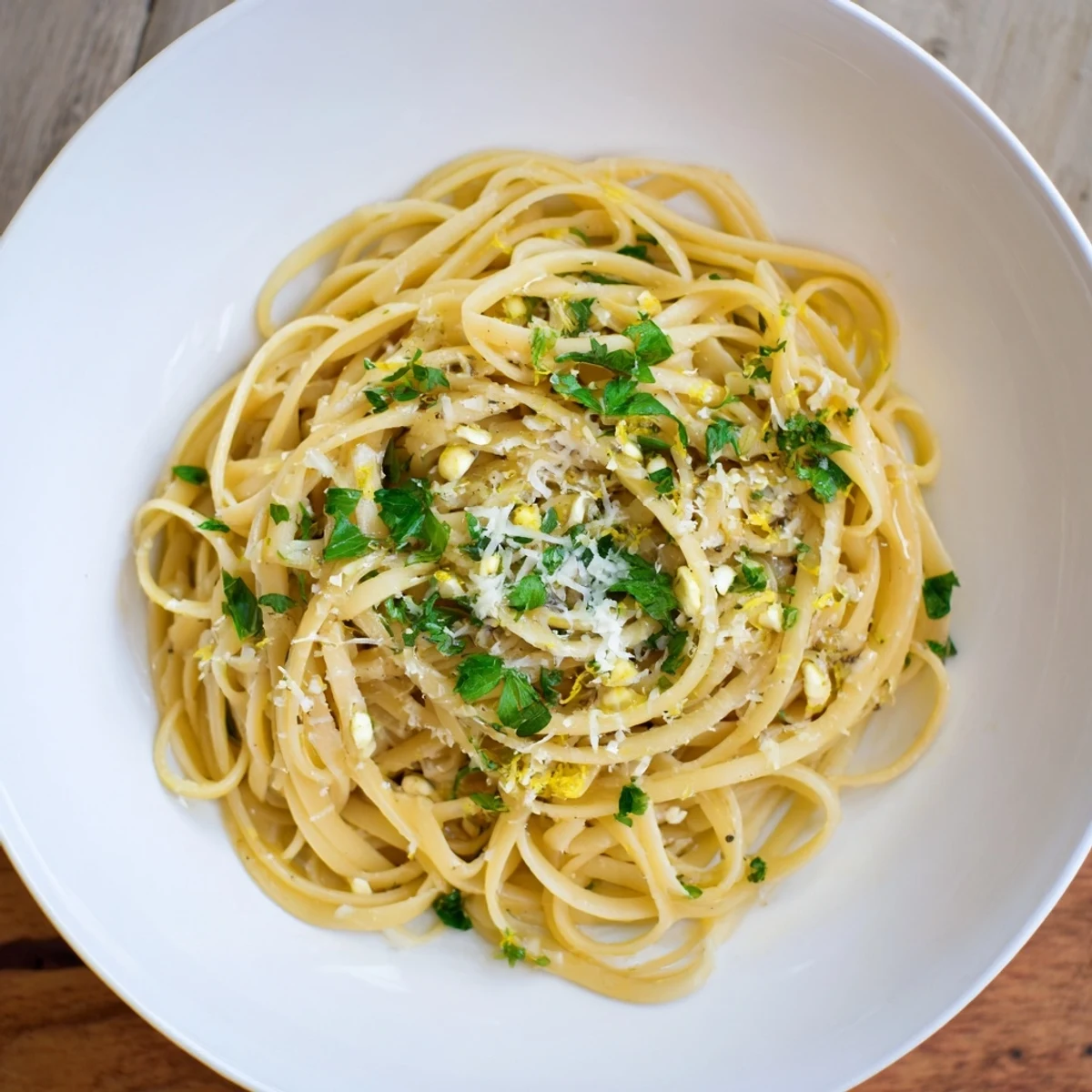
Save This dish became my answer to the question 'What should I cook?' on nights when I needed something that felt both nourishing and effortless. That's when I learned that the simplest meals often matter the most.
Why Garlic Oil Is Better Than Cream
I spent years making pasta with heavy cream until a friend from Rome looked at me like I'd suggested cooking with mayonnaise. She taught me that garlic and good oil create their own silky coating through emulsification, and once I understood that, I never went back. The sauce becomes lighter, the garlic flavor stays bright instead of getting muffled, and somehow it feels more honest on your plate.
Timing and Temperature Matter
Medium-low heat is not a suggestion here—it's the whole difference between golden garlic and black specks floating in regret. I've learned this the hard way more than once. The gentler flame means the garlic releases its sweetness instead of its burn, and the oil stays pure instead of tasting scorched.
Ways to Dress It Up Without Losing Simplicity
The beauty of this dish is that it's a canvas, not a finished painting. You can add sautéed mushrooms for earthiness, wilted spinach for color, or even thin slices of grilled chicken if you need more protein. A tablespoon of unsalted butter stirred in at the end makes it richer without announcing itself. Some nights I add crispy breadcrumbs on top, and some nights I add nothing but lemon and memory.
- A splash of crisp white wine like Pinot Grigio pairs with this better than you'd expect.
- Freshly grated nutmeg—just a whisper over the top—connects all the flavors somehow.
- If you make this in summer, a handful of fresh cherry tomatoes heated gently in the garlic oil feels like a natural evolution.
 Save
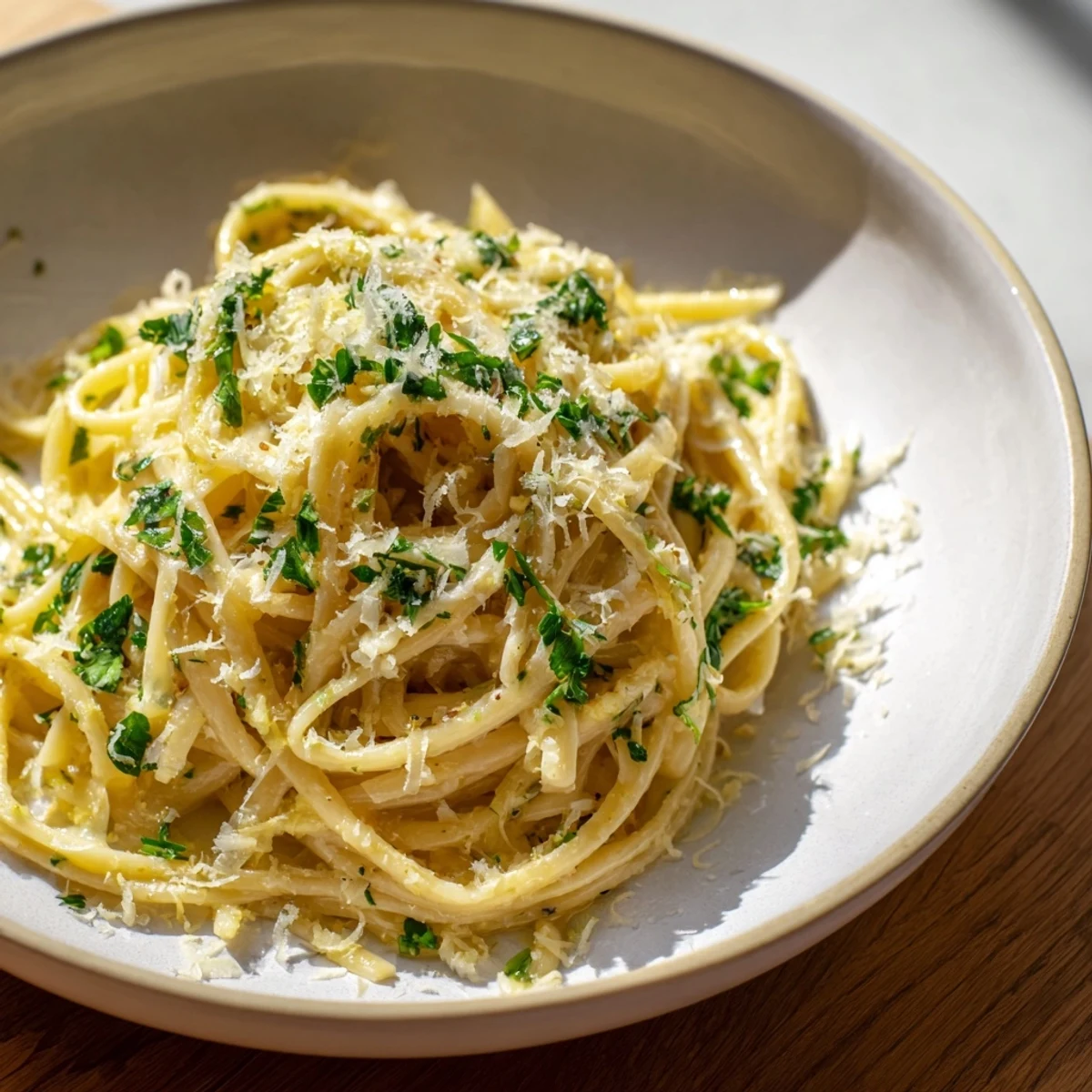
Save This is the meal I reach for when I want to remember why I love cooking—not because it's complicated, but because it's honest. Every time I make it, it tastes like home.
Questions & Answers
- → How do I prevent garlic from burning?
-
Sauté garlic on medium-low heat and watch closely. Remove from heat as soon as it turns golden to avoid bitterness.
- → Can I use other types of pasta?
-
Yes, spaghetti or linguine works best, but any long pasta holding the light sauce will do.
- → What is the role of reserved pasta water?
-
Adding pasta water helps the sauce adhere better by emulsifying the oil and creating a silky texture.
- → Can I add other ingredients for variety?
-
Try sautéed mushrooms, spinach, or grilled chicken to enhance flavor and nutrition.
- → How should I season this dish?
-
Season with salt and freshly ground black pepper to taste, complementing the garlic and Parmesan.