
 Save
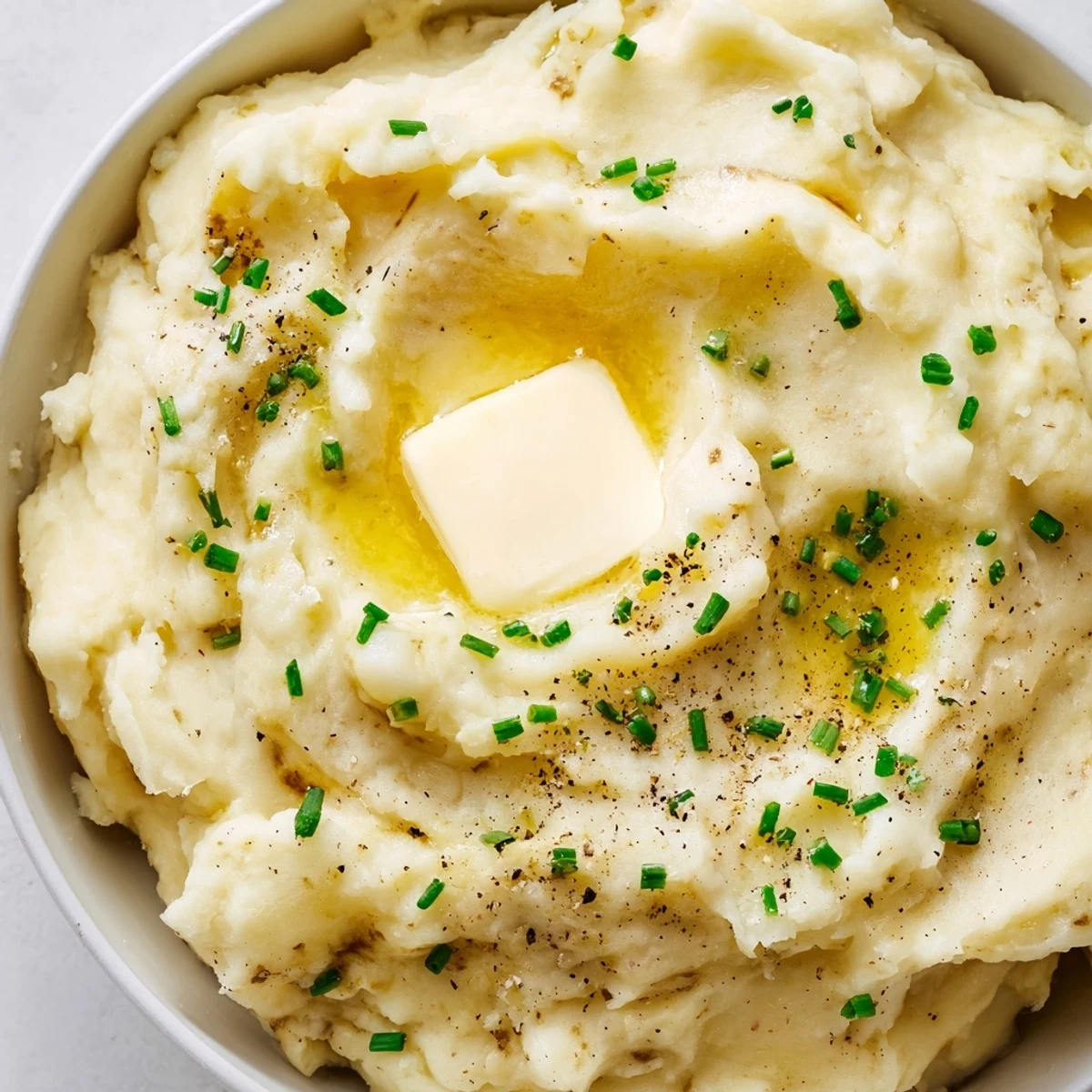
Save This comforting side showcases creamy mashed potatoes blended with roasted garlic and butter to create a rich, smooth texture. Yukon Gold or Russet potatoes are boiled until tender, then mashed with warm milk and butter, enhancing the flavor with garlic roasted to golden perfection. Seasoned simply with salt, pepper, and optionally fresh chives or parsley, this dish complements a wide variety of meals and fits vegetarian and gluten-free preferences. For extra smoothness, a potato ricer can be used, and substituting part of the milk with cream adds richness.
There's something about the smell of roasted garlic that stops me mid-conversation every single time. Years ago, while my partner chopped vegetables for dinner, I popped a whole head of garlic in the oven on a whim, and twenty minutes later the kitchen had transformed into something almost magical. We ended up mashing those soft, caramelized cloves into our potatoes that night, and I've never looked back since.
I made these for my mom's birthday dinner last spring, and I watched her face light up the moment she tasted them. She asked what was different, and when I told her about the roasted garlic, she took another bite and got a little quiet. Sometimes the best dishes are the ones that make people slow down and actually taste what's in front of them.
Ingredients
- Yukon Gold or Russet potatoes (900 g / 2 lbs): Yukon Golds stay naturally creamy and buttery without extra work, but Russets give you an airier texture if that's your preference.
- Whole head garlic: One whole head might seem bold, but roasting transforms it into something sweet and almost caramel-like.
- Whole milk (120 ml / ½ cup), warmed: Warming it beforehand prevents your potatoes from cooling down when you stir it in.
- Unsalted butter (60 g / ¼ cup), plus extra: Real butter makes this dish sing; the extra bit on top is non-negotiable for serving.
- Salt (1 ½ tsp), divided: Using some in the water and some at the end gives you better seasoning control.
- Freshly ground black pepper (½ tsp): Grind it just before using; the difference between fresh and pre-ground is real.
- Fresh chives or parsley (1 tbsp), optional: The green adds a whisper of freshness and makes it look like you actually tried.
Instructions
- Roast the garlic first:
- Preheat your oven to 200°C (400°F) and slice the very top off your garlic head to expose the cloves. Drizzle it with a little olive oil, wrap the whole thing in foil, and let it roast for about 30 minutes until those cloves are soft and golden and smell absolutely incredible.
- Get your potatoes boiling:
- While the garlic does its thing, cut your potatoes into even chunks (aim for roughly the same size so they cook evenly) and drop them into a pot of cold water with a teaspoon of salt. Bring everything to a boil, then dial it back to a simmer for 15 to 18 minutes until they're so tender a fork slides right through.
- Drain and squeeze:
- Pour off all the water really well, and I mean well, because any lingering moisture dilutes the creaminess. Once that's done, squeeze out the roasted garlic cloves from their papery skins directly into the pot.
- Mash it together:
- Add the butter and your warm milk to the potatoes and garlic, then mash until it reaches the texture you love. If it feels too thick, add a splash more milk a little at a time.
- Season and taste:
- Add that remaining salt and the fresh black pepper, then taste a spoonful. You're looking for that balance where the garlic sweetness comes through without being overpowering.
- Serve with ceremony:
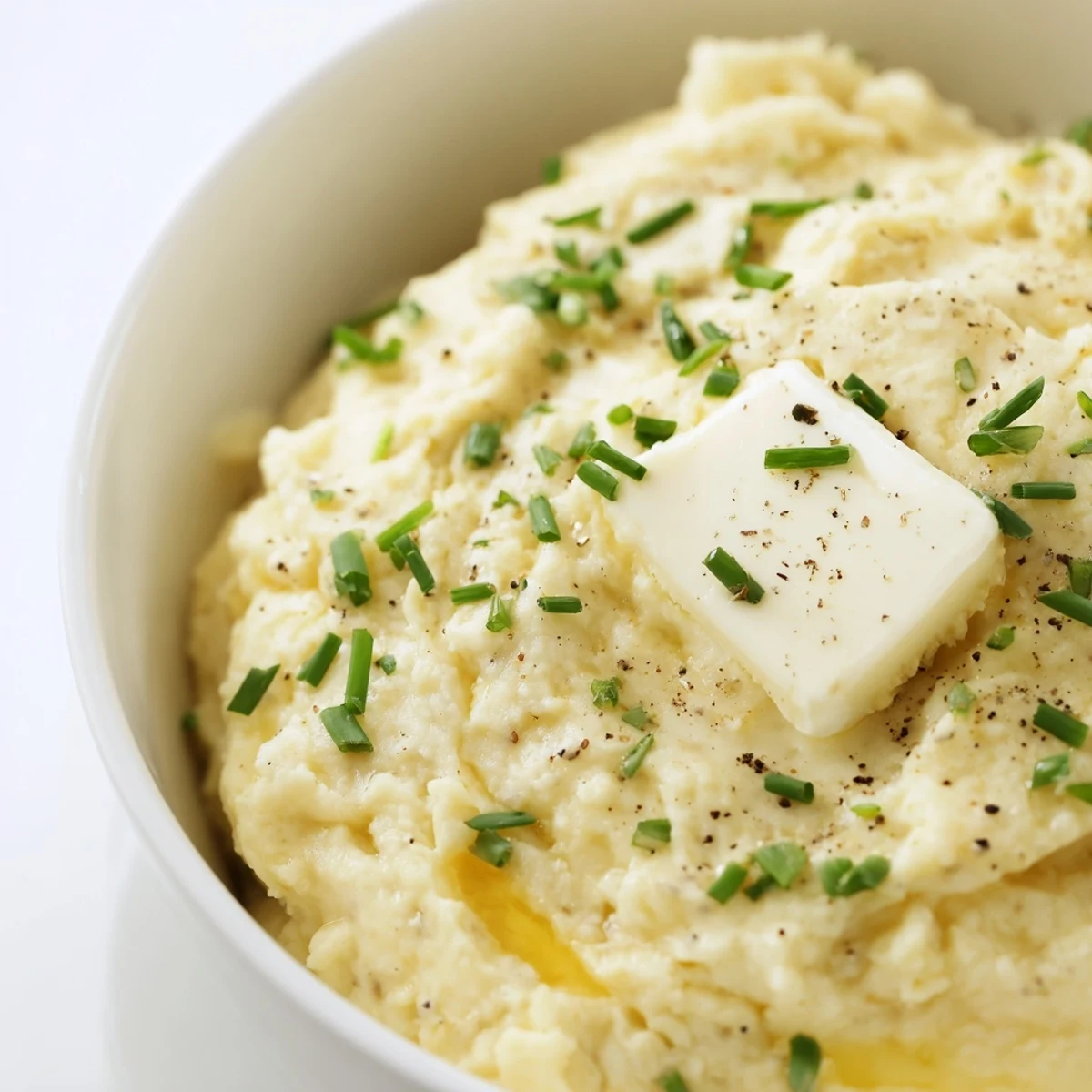
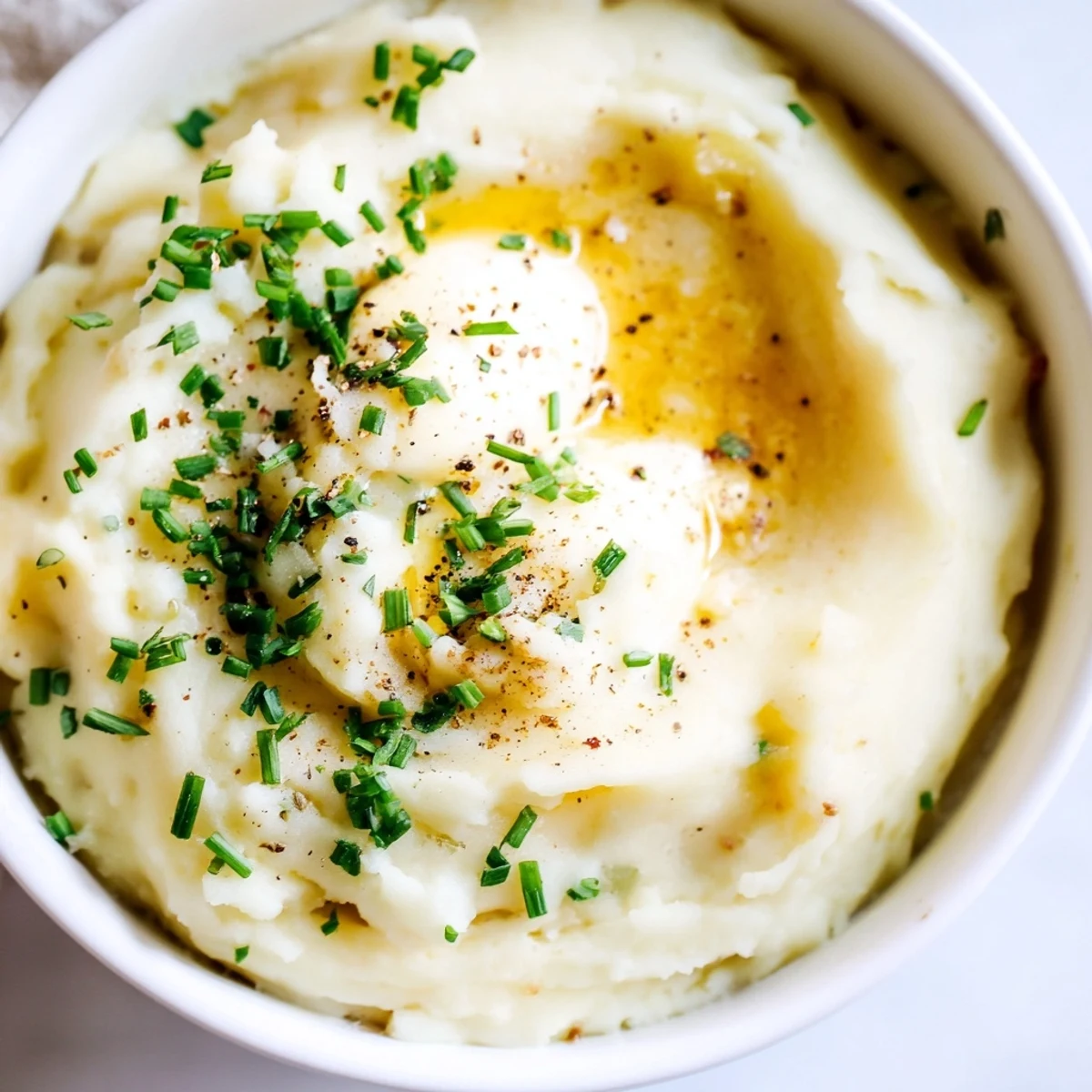
- Transfer everything to a warm bowl, top with a pat of butter and those fresh herbs if you're using them, and bring it to the table while it's still steaming.
 Save
Save My neighbor stopped by one evening as I was finishing a batch of these, and the smell alone pulled her inside. She sat at my kitchen counter with a bowl in her hands, and we talked about nothing important for an hour while she kept going back for more. That's when I realized this recipe had become something bigger than just dinner.
The Magic of Roasted Garlic
Raw garlic is sharp and demanding, but roasting turns it into something entirely different, something almost honeyed and mellow. The cloves collapse into a soft paste that distributes through the potatoes without any harsh edges. It's one of those kitchen moments where time and heat do the real work, and you just have to trust the process.
Texture Choices That Matter
A potato masher gives you rustic, chunky texture with personality. A ricer creates something silkier and more refined, almost like eating a cloud. I've gone both directions depending on the mood and who's coming to dinner. Neither is wrong, but the difference is noticeable enough that it's worth thinking about before you start.
Making It Your Own
This recipe is solid as written, but it's also a foundation you can play with. Some evenings I swap half the milk for heavy cream when I want something especially rich. Other times I add a handful of sharp cheddar or a whisper of sour cream for brightness. The roasted garlic stays constant, and everything else is negotiable.
- Try stirring in a bit of whole grain mustard or horseradish if you want a subtle kick.
- Fold in crispy bacon or caramelized onions for a heartier side dish that steals the show.
- Keep a bowl in a warm oven if you're serving these hours after making them; they reheat gently with a splash of milk stirred through.
 Save
Save Mashed potatoes with roasted garlic have become my answer to the question of what to bring when someone asks for help with dinner. There's comfort in simplicity, and there's honesty in butter and cream.
Questions & Answers
- → What type of potatoes work best for creamy mash?
-
Yukon Gold or Russet potatoes are ideal due to their fluffy texture when cooked, producing smooth and creamy mash.
- → How does roasting garlic affect the flavor?
-
Roasting garlic softens its sharpness and develops a sweet, mellow flavor that blends harmoniously with the potatoes.
- → Can I use heavy cream instead of milk?
-
Yes, substituting part of the warm milk with heavy cream can add extra richness and a silkier texture to the mash.
- → What tools ensure a smooth mashed potato texture?
-
Using a potato masher or a ricer helps achieve a smooth, lump-free mash, with a ricer producing the silkiest results.
- → How should I season mashed potatoes for best taste?
-
Season with salt and freshly ground black pepper, then adjust to taste. Fresh herbs like chives or parsley add a refreshing finish.