
 Save
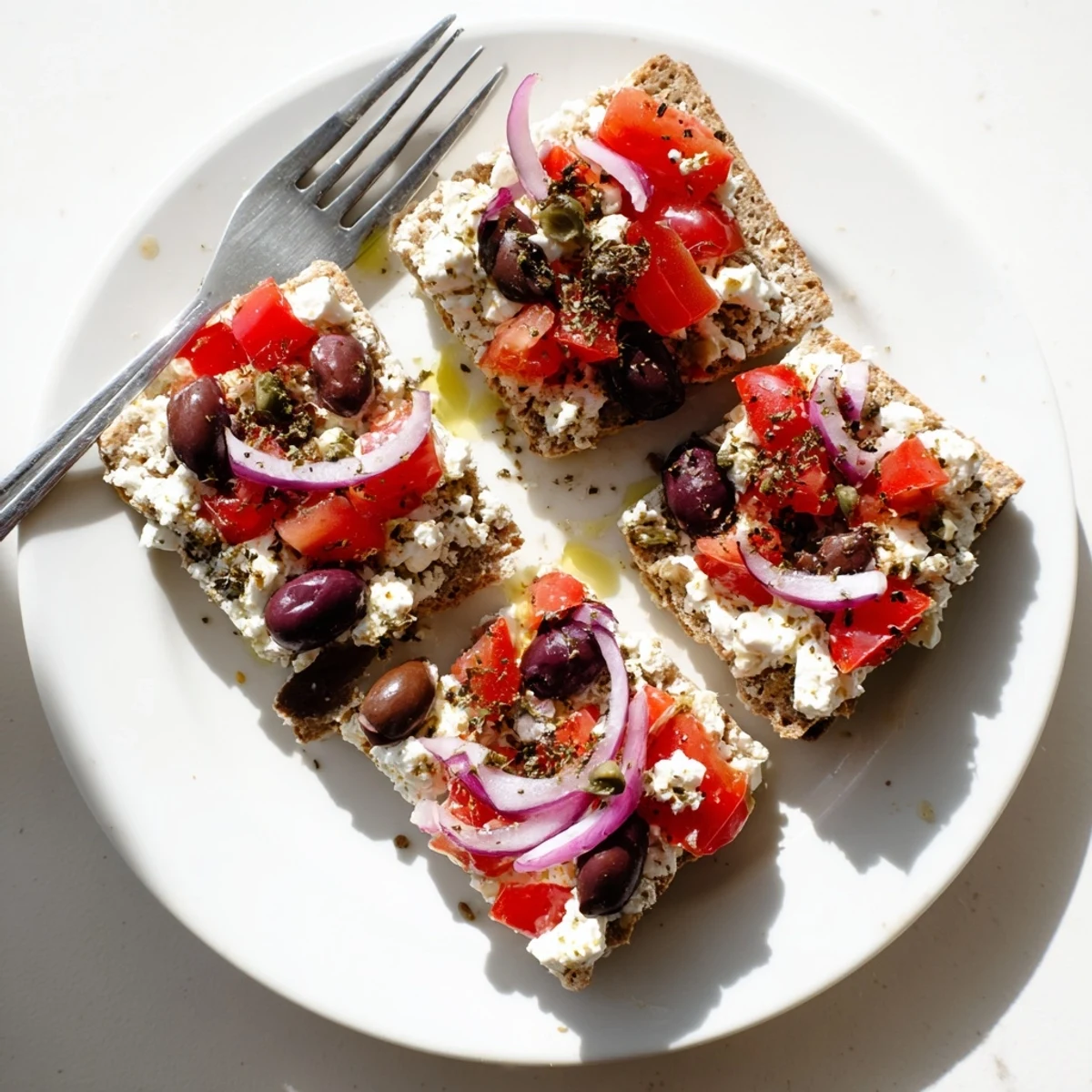
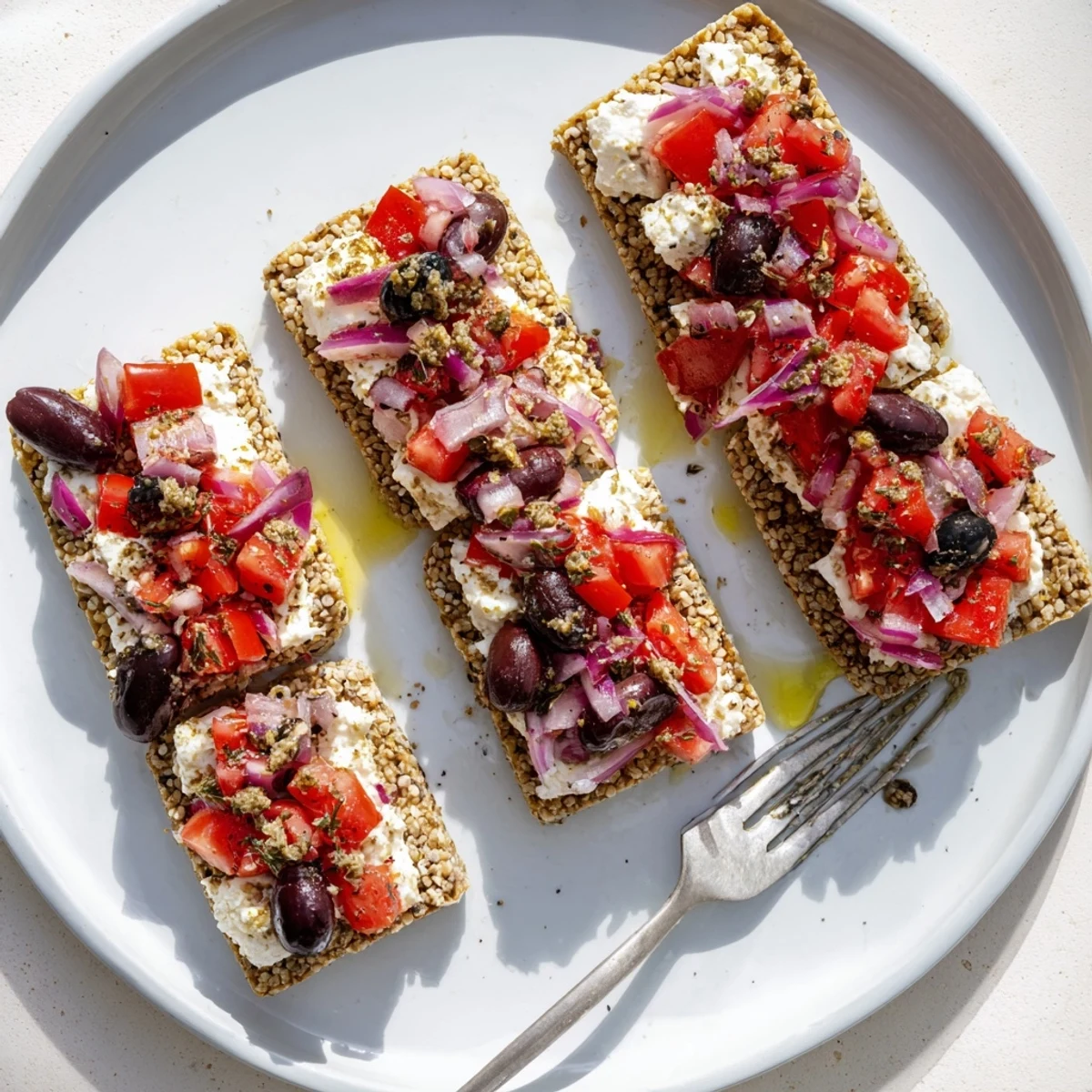
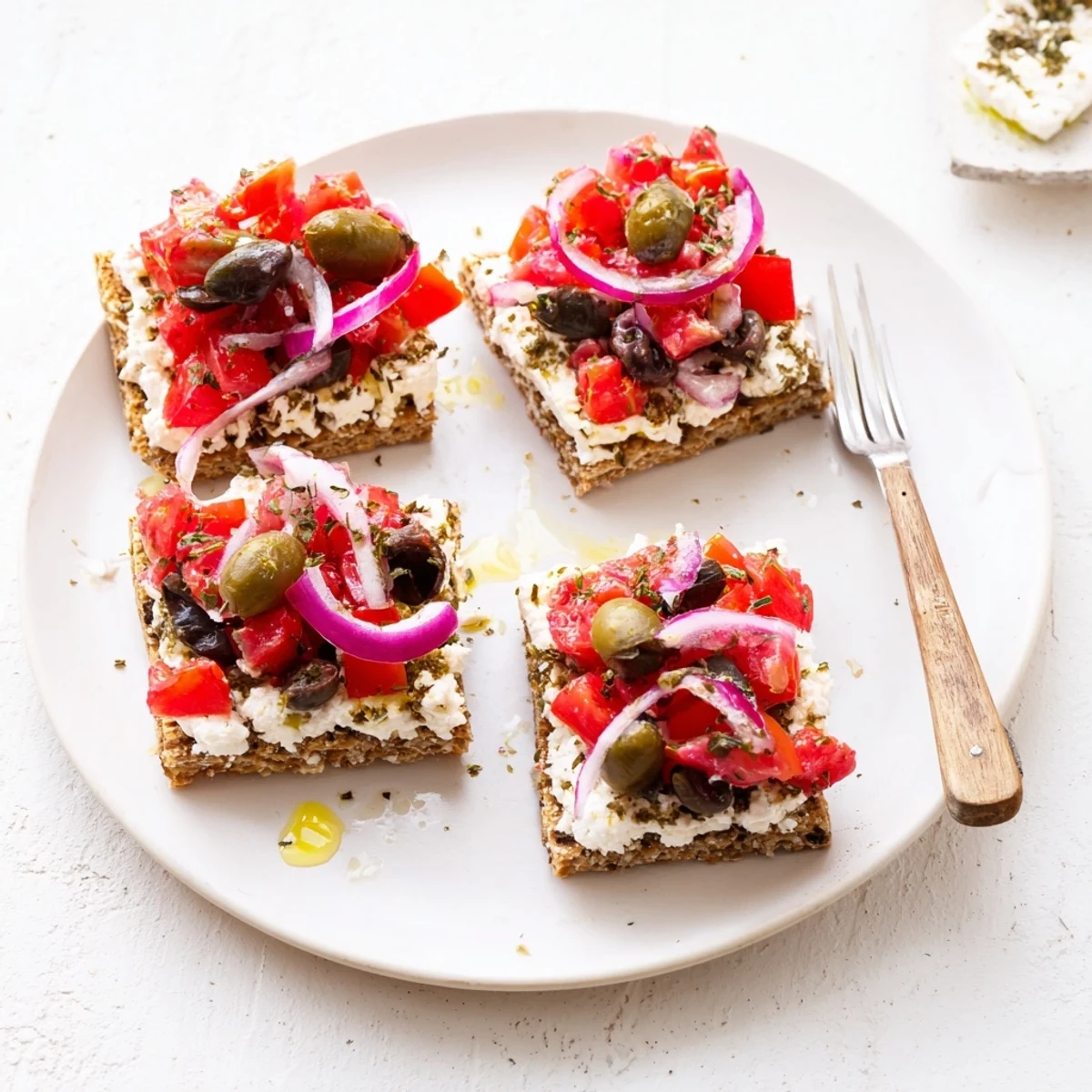
Save These crispy Cretan feta rusks bring the flavors of Greece straight to your table in just 30 minutes. Barley rusks are lightly brushed with olive oil and baked until golden and fragrant, then piled high with ripe diced tomatoes, crumbled feta cheese, Kalamata olives and fresh oregano.
The contrast between the crunchy base and the juicy, savory topping makes every bite irresistible. Serve them as a meze spread alongside chilled white wine or retsina for an authentic island experience.
The afternoon sun was brutal on that Crete rooftop, and the only thing standing between us and total surrender was a plate of these rusks, handed over by our host with a wink and a glass of something cold. The crunch echoed off stone walls, feta crumbled everywhere, and within minutes the whole table went quiet save for chewing. I scribbled down what I could remember on a napkin, already knowing this would become my forever warm weather appetizer. It took three tries at home to get it right, but the version below is the one that transports me straight back to that hillside every single time.
I made a massive platter of these for a friends backyard birthday last July, setting them out next to the drinks while everyone was still arriving. Within ten minutes the plate was empty and someone was already asking if there were more rusks in the kitchen. That is the kind of recipe this is: unassuming, fast, and gone before you can even announce it.
Ingredients
- Cretan barley rusks (paximadia): These are the backbone of the dish, and their rock like density is actually a feature, not a flaw, because they hold up beautifully under juicy toppings without dissolving into mush.
- Extra virgin olive oil: Use the good stuff here since it is both brushed onto the rusks and drizzled on top at the end, so its grassy fruitiness really shines through.
- Feta cheese, crumbled: A briny, tangy feta is nonnegotiable, and crumbling it by hand into rough, uneven pieces gives you those wonderful bursts of salt distributed across each bite.
- Ripe tomatoes, finely diced: Wait until summer when tomatoes actually taste like something, and dice them small so they settle into the crevices of each rusk without sliding off.
- Fresh oregano, chopped: Fresh oregano has a piney warmth that dried simply cannot replicate, and dividing it between the tomato mix and the final garnish layers the flavor in a way that surprises people.
- Red onion, finely sliced: Thin slices soften just enough against the warm rusk while still giving you that sharp, sweet crunch at the edges.
- Capers: Entirely optional but they bring a briny pop that ties the whole Mediterranean thing together beautifully.
- Kalamata olives, pitted and sliced: Slice them rather than leaving them whole so every single bite gets a bit of that dark, meaty richness without overwhelming anything.
- Freshly ground black pepper: Add it at two stages, once into the tomatoes and again over the finished plate, for a warmth that builds gently in the background.
Instructions
- Warm up the oven:
- Set it to 180 degrees Celsius, or 350 Fahrenheit, and let it come fully to temperature while you gather your ingredients. A properly hot oven is what turns those dense rusks into something fragrant and golden.
- Brush and bake the rusks:
- Using a pastry brush, coat each barley rusk lightly but thoroughly with olive oil, making sure to reach the edges. Lay them on a baking tray and slide them in for five to eight minutes, watching closely until they smell toasty and have taken on a warm golden hue.
- Make the tomato mixture:
- While the rusks are doing their thing, toss the diced tomatoes, half your chopped oregano, and a generous pinch of black pepper together in a bowl. Stir gently so the tomatoes do not bruise, just enough to let the oregano begin releasing its oils into the juice.
- Cool the rusks briefly:
- Pull the tray out and give the rusks just a minute or two to settle. They will crisp up even further as they cool slightly, which is exactly what you want before piling on the toppings.
- Build each rusk:
- Spoon the tomato mixture generously over each rusk, pressing it down gently so it nestles into the textured surface. Scatter crumbled feta over the top in big, rustic handfuls, letting some fall where it may.
- Add the finishing touches:
- Arrange the red onion slices, scattered olives, and capers across the plate, then shower the remaining oregano over everything. Finish with one last drizzle of olive oil and a confident crack of black pepper over the whole platter.
- Serve right away:
- Get these to the table immediately while the rusks are still singing with crunch. They wait for no one, and honestly that urgency is part of their charm.
 Save
Save There is something quietly powerful about a dish that turns a handful of pantry staples into the thing everyone remembers from the table. These rusks have shown up at my potlucks, my lazy Sunday afternoons, and one memorable night when dinner was just this and a very good bottle of wine on the floor.
What to Drink Alongside
A chilled retsina is the obvious and correct choice, its faint pine resin note echoing the oregano and olive oil in the best way. Failing that, any crisp, mineral heavy white wine will do the job beautifully, especially something with a little saline edge that picks up on the feta and capers.
When You Cannot Find Paximadia
Whole wheat crackers or even thick cut bruschetta toasts can stand in, though you will want to shorten the oven time since they are far more fragile than real barley rusks. The spirit of the dish survives the swap, even if the particular crunch is different.
Making It Your Own
Once you have the basic formula down, this recipe becomes a canvas for whatever is sitting in your fridge or growing in your garden. The structure is forgiving enough to absorb your own instincts and preferences without breaking.
- A scatter of chili flakes over the top turns the whole thing into something unexpectedly fiery and addictive.
- Try a few strips of roasted red pepper alongside the tomato for extra sweetness and color.
- Always assemble at the very last second, because the magic is in that first bite when the rusk is still shatteringly crisp.
 Save
Save Keep a napkin handy, pour something cold, and do not be surprised when these disappear faster than anything else on the table. That is just what happens when simplicity is done right.
Questions & Answers
- → Can I make Cretan feta rusks ahead of time?
-
It's best to prepare the toppings ahead and assemble just before serving. The rusks will lose their crunch if topped too early, so keep components separate until ready to serve.
- → What can I substitute for barley rusks?
-
Whole wheat crackers, crusty bread slices toasted in the oven, or even thick pita chips work well as alternatives. The key is choosing something sturdy enough to hold the toppings without becoming soggy.
- → Which feta cheese works best for this dish?
-
Authentic Greek feta made from sheep's milk or a sheep-and-goat blend delivers the tangiest flavor and creamiest crumble. Avoid pre-crumbled varieties, as they tend to be drier and less flavorful.
- → How do I keep the rusks crispy after topping?
-
Drain excess juice from the diced tomatoes before spooning them onto the rusks. Serve immediately after assembling so the olive oil and tomato juices haven't had time to soak into the base.
- → Is this dish suitable for vegetarians?
-
Yes, all ingredients in this Cretan meze are vegetarian. Just verify that the barley rusks and olives are processed in facilities free from cross-contamination if serving strict vegetarians.
- → What drinks pair well with feta rusks?
-
A chilled glass of retsina, crisp Assyrtiko white wine, or a light rosé complements the salty feta and herbaceous oregano beautifully. For a non-alcoholic option, try sparkling water with lemon.