
 Save
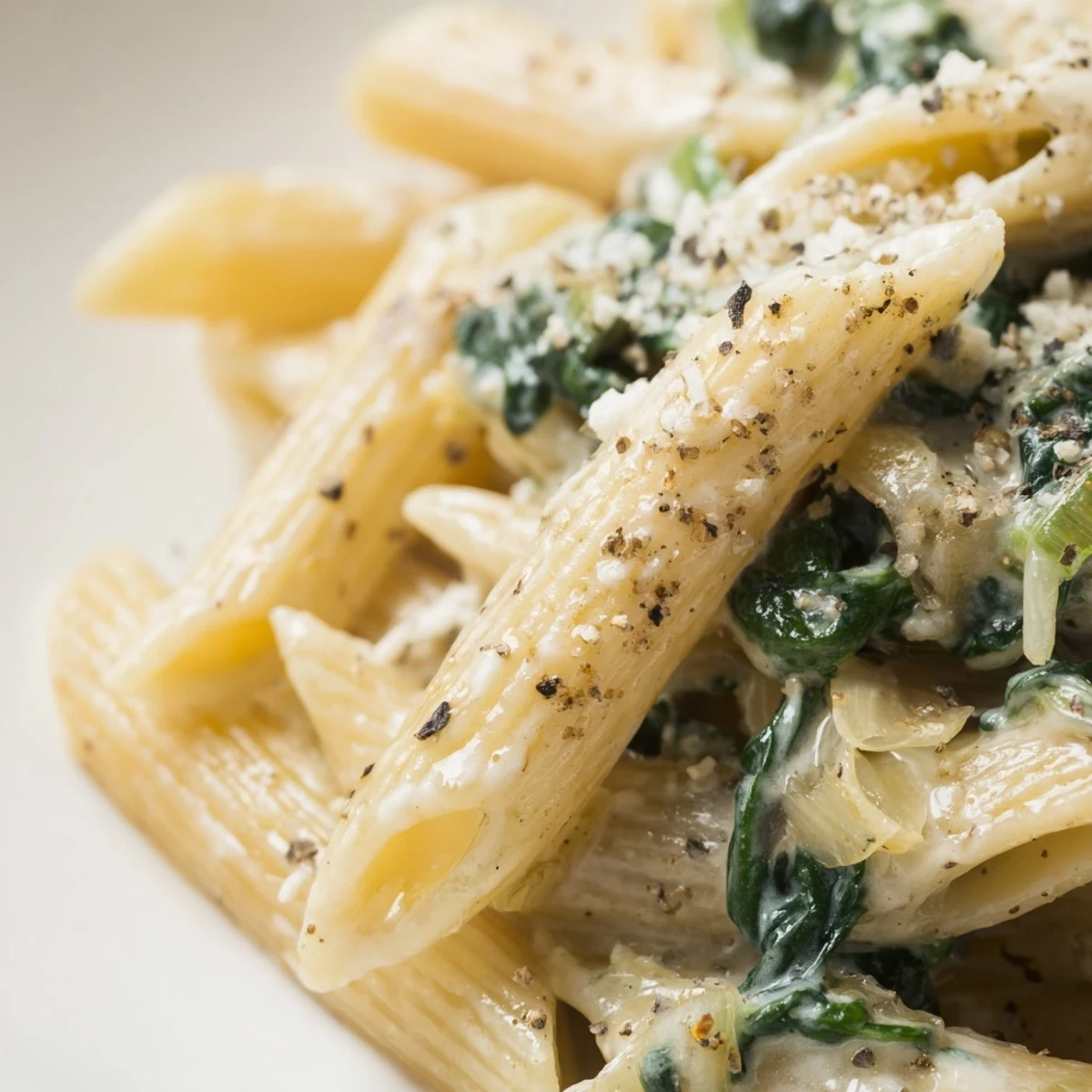
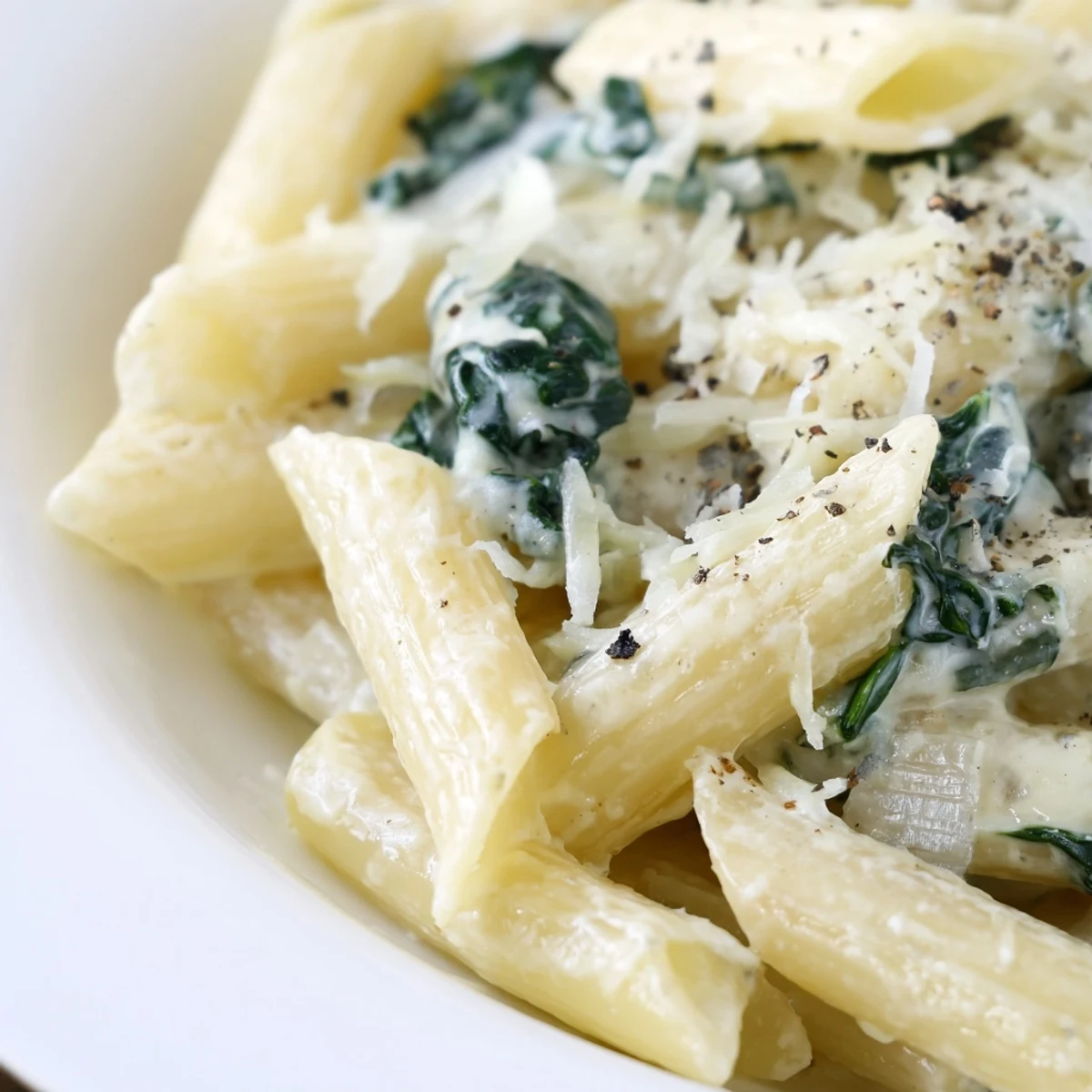
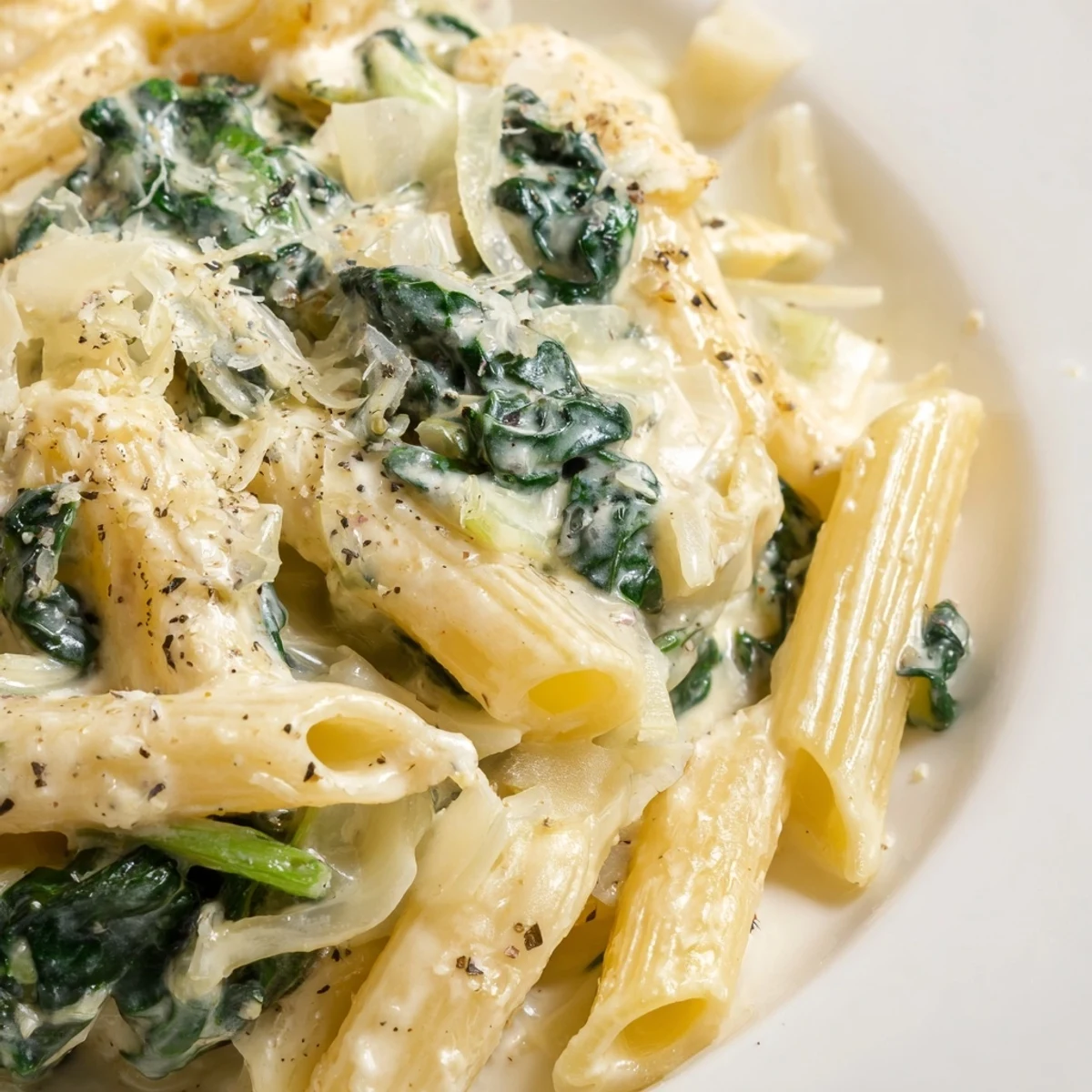
Save This dish combines tender spinach sautéed with garlic and onions, swirled in a rich blend of cream, milk, and Parmesan. The sauce is gently simmered to create a luxurious coating for al dente pasta. Simple seasoning with salt, pepper, and nutmeg enhances the flavors, while reserved pasta water adjusts the texture. Ready in 30 minutes, it’s an easy, comforting meal perfect for vegetarians. Optional additions like sautéed mushrooms or chicken can add protein and depth.
There's something magical about the moment garlic hits hot butter—that sharp, golden smell that fills your kitchen and promises something delicious is about to happen. I discovered this creamy spinach pasta on a Tuesday night when I had nothing but pantry staples and a craving for something that felt restaurant-worthy but wouldn't keep me cooking past eight. The first time I made it, I panicked slightly when the cream looked too thin, but a patient simmer and a handful of Parmesan transformed it into something silky and luxurious.
I made this for my neighbor last spring when she mentioned offhand that she'd been eating sad desk lunches all week. Watching her face light up when she realized it was vegetarian, creamy, and nothing like the heavy pasta she expected—that's when I knew this recipe was a keeper. She's made it at least once a month since then, and texts me photos of her variations.
Ingredients
- Penne or fettuccine, 350 g (12 oz): I prefer fettuccine because it catches the cream sauce beautifully, but penne works just as well and feels less fussy.
- Fresh spinach, 200 g (7 oz), washed and roughly chopped: Don't buy pre-washed if you can help it—real spinach shrinks dramatically, so a bunch that looks alarming becomes just enough sauce coating.
- Garlic, 2 cloves, minced: This is not the time to be shy; the garlic is the backbone here, and fresh makes all the difference.
- Small onion, 1, finely chopped: It dissolves into the sauce and adds sweetness that balances the garlic's bite.
- Unsalted butter, 2 tablespoons: Use real butter—it creates the flavor foundation that nothing else can replicate.
- Heavy cream, 200 ml (3/4 cup + 1 tbsp): Don't skimp here; thinner cream won't coat the pasta the same way and will separate more easily.
- Grated Parmesan cheese, 60 g (1/2 cup): Grate it fresh if possible; the pre-shredded stuff has anti-caking agents that keep it from melting smoothly into the sauce.
- Whole milk, 60 ml (1/4 cup): This keeps the sauce from being too heavy while still feeling luxurious.
- Salt and freshly ground black pepper: Season in layers, not all at once—your palate will thank you.
- Freshly grated nutmeg, just a pinch, optional but genuinely not optional: It's the secret ingredient that makes people ask what makes this taste so special.
Instructions
- Get your pasta water ready:
- Fill a large pot with water, salt it generously (it should taste like the sea), and bring it to a rolling boil. This is happening first because you want the water at a true boil when pasta hits it, and while that's going, you can prep everything else without stress.
- Cook the pasta:
- Drop the pasta in and stir immediately so it doesn't stick to itself. Set a timer for a minute less than the package says and taste at that point—al dente means it should have a slight firmness when you bite it, not mushiness. Reserve half a cup of starchy pasta water (this liquid gold will help the sauce coat perfectly), then drain everything else.
- Start your sauce base:
- Melt butter in a large skillet over medium heat; you'll hear it sizzle gently and smell it turn nutty and rich. Add the chopped onion and let it soften for three to four minutes, stirring occasionally—you're looking for it to turn translucent and sweet, not brown.
- Add garlic and let it bloom:
- Pour in the minced garlic and stir constantly for just one minute; this is the critical moment where it goes from fragrant to burned, so stay present and keep moving the spoon. Your kitchen should smell incredible at this point—that's how you know you're doing it right.
- Wilt the spinach:
- Add all the spinach at once; it looks like an impossible amount until the heat hits it and it collapses into tender, manageable greens in two to three minutes. Keep stirring so every leaf gets coated in that garlicky, buttery base.
- Bring in the cream and milk:
- Pour both in slowly, stirring as you go so the mixture becomes smooth and consistent without lumps. You're aiming for a gentle simmer here—little lazy bubbles at the edges, not an aggressive boil that might cause the cream to break.
- Build the sauce with cheese and seasoning:
- Stir in the Parmesan gradually, watching it melt into silky ribbons throughout the cream. Add salt, pepper, and that tiny pinch of nutmeg, then simmer for two to three minutes while the sauce thickens—it should coat the back of a spoon eventually.
- Marry the pasta and sauce:
- Add the drained pasta to the skillet and toss everything together with a wooden spoon, turning and folding until every strand is coated. If the sauce seems too thick, add a splash of reserved pasta water and keep tossing until it looks silky and flows gently over the pasta.
- Taste and serve:
- Give it one final taste for salt and pepper, adjusting as needed. Serve immediately into warm bowls with extra Parmesan scattered on top and a crack of fresh black pepper—the warmth will waft that nutmeg right toward your face.
 Save
Save My mom called while I was eating this one night and asked what smelled so good; I held the phone toward the kitchen and she laughed, saying she could almost taste it through the speaker. That's when I realized this dish does something most food doesn't—it makes people around you feel cared for, even if you're just feeding yourself on an ordinary Tuesday.
Why This Dish Became My Go-To
I stopped trying to impress people with complicated recipes and started noticing that the meals that stick with people are the ones that feel warm and intentional. This pasta does exactly that without pretension. It's vegetarian, it's elegant enough for guests but simple enough for solo dinner, and it proves that good food doesn't require a long ingredient list or hours of fussing.
Building Flavor in Layers
The magic here isn't in any single ingredient but in how they talk to each other. The onion dissolves and adds sweetness, the garlic provides punch, the spinach adds earthiness and texture, and the cream carries all of it together. I learned this by making too many heavy, one-note sauces before I understood that balancing richness with vegetables and seasoning is what keeps people wanting another bite.
Variations and Flexibility
This recipe is generous in how it accepts changes. Some nights I add sautéed mushrooms for deeper umami, other times I stir in white beans to make it more filling. I've swapped the spinach for kale when that's what I had, and it's been equally delicious, just slightly more assertive. The core formula of butter, garlic, cream, and greens is bulletproof, which means once you make it once, you understand it well enough to trust your instincts.
- Fresh herbs like thyme or parsley stirred in at the very end add brightness without overpowering the delicate balance.
- A squeeze of lemon juice right before serving can cut through the richness if the sauce feels too heavy for your mood.
- This reheats beautifully on the stovetop with a splash of milk, making it perfect for meal prep or weekend leftovers.
 Save
Save There's comfort in knowing that thirty minutes and a handful of groceries can turn into something that feels like a small celebration. This pasta reminds me that cooking well isn't about being fancy—it's about paying attention and respecting the ingredients that end up on your plate.
Questions & Answers
- → What type of pasta works best?
-
Penne or fettuccine are ideal as they hold the creamy sauce well, but any shape you prefer can be used.
- → Can I use frozen spinach?
-
Fresh spinach is recommended for best texture, but frozen can be used if well drained and squeezed dry before cooking.
- → How can I adjust the sauce consistency?
-
Adding reserved pasta water a little at a time helps achieve a smooth, luscious sauce without thinning it too much.
- → What can I substitute for Parmesan cheese?
-
Grated Pecorino Romano or a plant-based hard cheese alternative can work well to maintain the creamy flavor.
- → Are there good protein additions for this dish?
-
Cooked chicken, sautéed mushrooms, or even chickpeas provide added protein and complement the creamy spinach base.