
 Save
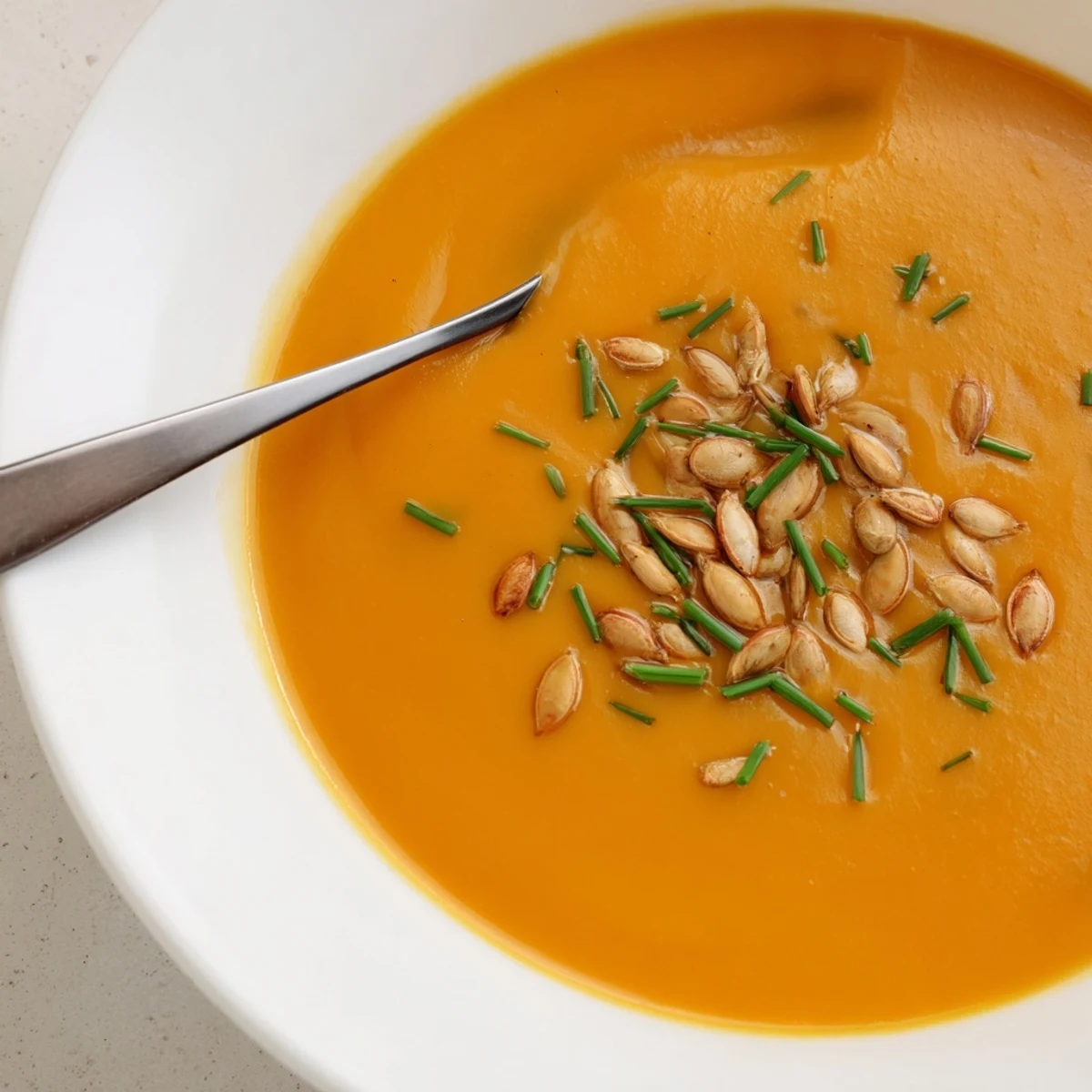
Save This dish combines roasted pumpkin with a medley of sautéed vegetables and warming spices to create a smooth, creamy blend. Vegetable broth and cream infuse richness while toasted pumpkin seeds add a satisfying crunch. Gentle reheating preserves delicate flavors, making it a comforting and nourishing choice. Optional herb garnishes enhance freshness and color.
There's something about October afternoons that makes me crave this soup. I was standing in a farmer's market, holding a lumpy Hokkaido pumpkin still warm from the sun, when an older woman behind the stand mentioned how her grandmother used to blend soup with just a fork. That conversation stuck with me, and now whenever I make this, I think about how much easier my immersion blender makes it—and how good that ease feels on a chilly day.
I made this soup for friends who dropped by unexpectedly one November evening, worried it might taste too simple. When someone asked for seconds and then thirds, barely pausing between spoonfuls, I realized this wasn't about complexity—it was about how a bowl of something golden and smooth could make everyone at the table slow down and actually talk to each other.
Ingredients
- Pumpkin (1 kg, peeled and diced): Use Hokkaido or butternut for sweetness and smooth texture; avoid sugar pumpkins which can be watery and stringy.
- Onion and garlic (1 medium onion, 2 cloves garlic minced): These build the savory base that keeps the soup from tasting too sweet or one-dimensional.
- Carrot (1 medium, peeled and chopped): It adds earthiness and natural sweetness that rounds out the pumpkin.
- Vegetable broth (750 ml): Use a good quality broth you'd actually taste straight from a spoon; it makes a real difference.
- Heavy cream or coconut cream (200 ml): This is what makes it velvety; coconut cream works beautifully if you're keeping it dairy-free.
- Olive oil (2 tbsp): Just enough to soften the aromatics without making the soup greasy.
- Ground nutmeg and cumin (1/2 tsp each): Nutmeg is the quiet hero here; it whispers warmth without announcing itself, while cumin adds a subtle earthiness.
- Salt and freshly ground black pepper: Taste as you go—the salt brings out the pumpkin's natural sweetness.
- Pumpkin seeds (40 g, toasted): Toast them yourself if you can; the smell is worth it, and they're crunchier fresh.
- Fresh parsley or chives (optional): A small handful of fresh herbs at the end reminds you this came from something alive and growing.
Instructions
- Soften the aromatics:
- Heat olive oil in a large pot over medium heat, then add your chopped onion, minced garlic, and carrot. You'll know they're ready when the onion turns translucent and the whole kitchen smells like the beginning of something good—about 4 to 5 minutes.
- Add the pumpkin:
- Stir in the diced pumpkin and let it cook for 3 minutes, just long enough for the pieces to start softening at the edges. You're not trying to cook it through yet; you're just waking it up.
- Simmer until tender:
- Pour in the vegetable broth and bring everything to a boil, then lower the heat and let it simmer for about 20 minutes. The pumpkin is done when a fork slides through the biggest piece without resistance.
- Blend until smooth:
- Remove from heat and use an immersion blender to puree the soup directly in the pot, moving it slowly through the mixture until there are no lumps. If you're using a countertop blender, work in batches and be careful with the heat—hot soup can splatter.
- Finish with cream and spices:
- Stir in the cream, nutmeg, cumin, salt, and pepper, then warm the soup gently over low heat without letting it boil. Taste it now and adjust the seasoning; this is when you decide if it needs more salt, more warmth from the spices, or a touch more cream for richness.
- Serve:
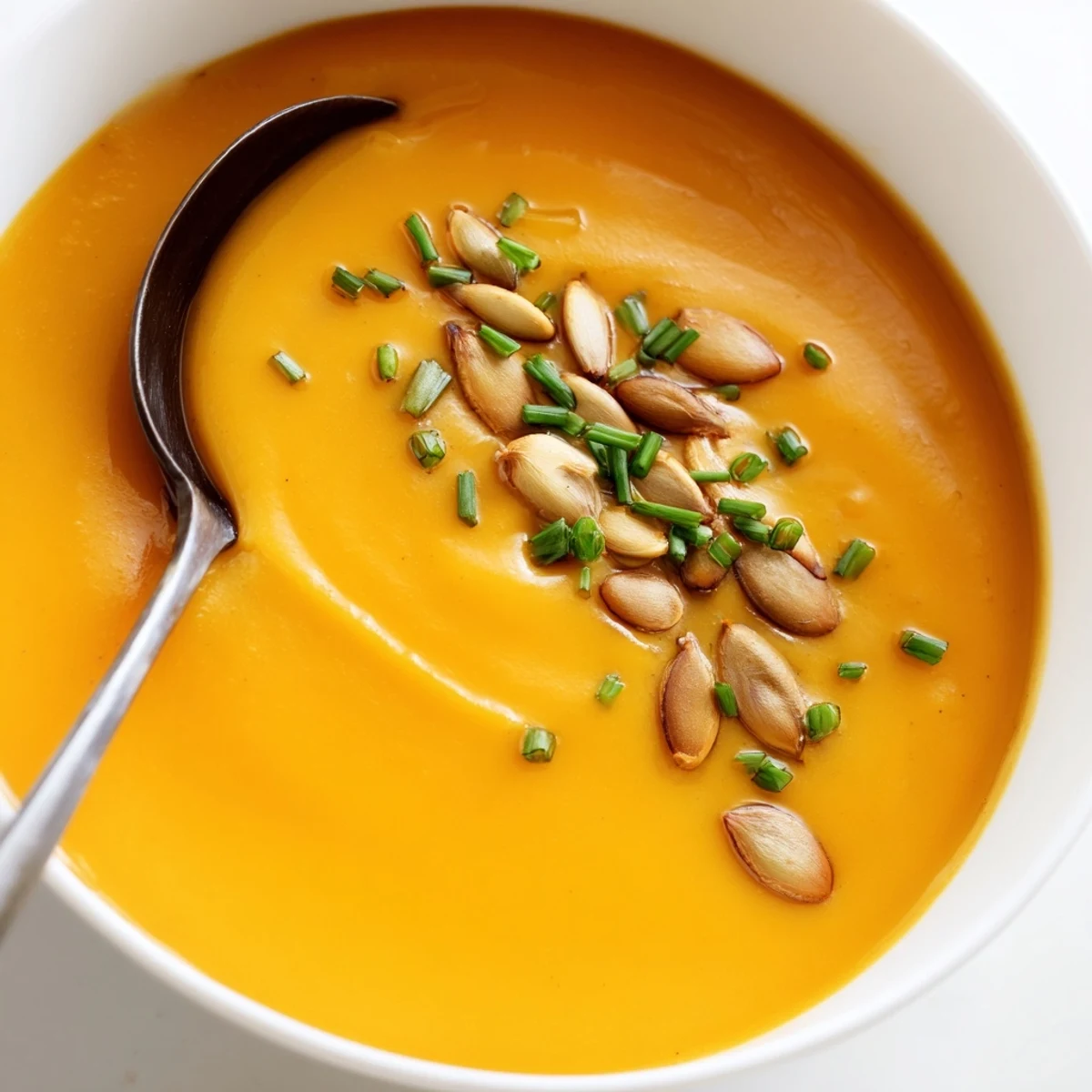
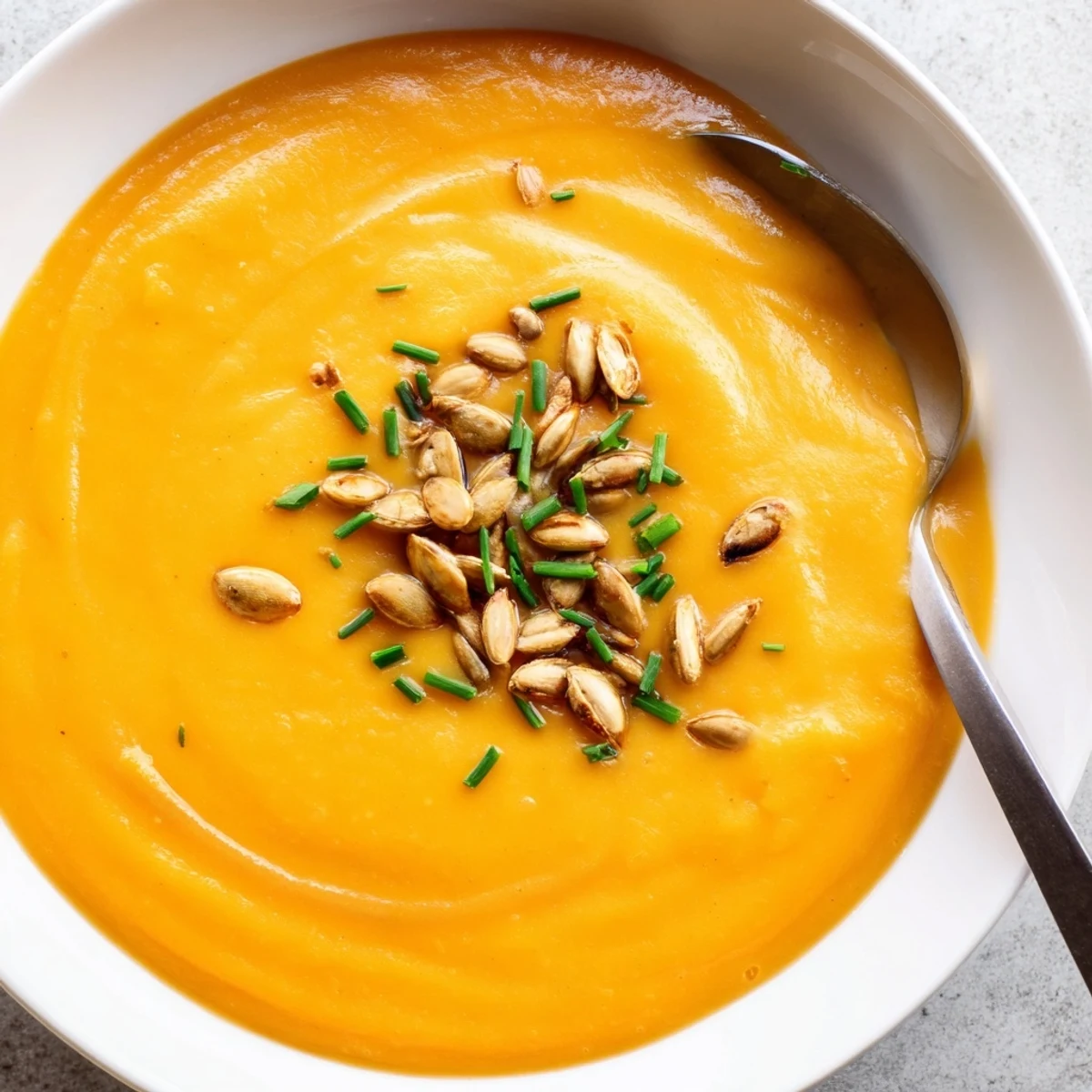
- Ladle the soup into bowls and top with your toasted pumpkin seeds and a small scatter of fresh herbs if you have them. The contrast between the warm, creamy soup and the cool, crunchy seeds is where the magic happens.
 Save
Save I learned the real value of this soup one winter when a friend was going through something difficult and just needed to sit in a warm kitchen for a while. We didn't talk much—just ate soup, broke bread, and let the steam rise between us. It wasn't fancy, but it was exactly what was needed.
The Secret to Perfect Creaminess
The difference between a good pumpkin soup and an amazing one often comes down to how you blend it. An immersion blender gives you control and keeps the soup in the pot where you can taste and adjust as you go, but a countertop blender can make it even silkier if you blend long enough. I used to overthink this step until I realized there's no wrong way—just personal preference. Some people like a whisper of texture, others want pure velvet; make it however calls to you.
Variations That Feel Like New Discoveries
This soup is forgiving enough to play with. I've added a pinch of cayenne when I wanted warmth, swirled in a spoonful of sage brown butter for earthiness, and once topped it with crispy bacon pieces when I had them on hand. The base is strong enough to hold those additions without getting confused. If you're cooking coconut cream instead of heavy cream, add a squeeze of lime juice at the end—it brightens everything up in a way that feels intentional rather than accidental.
Pairing and Serving Ideas
This soup wants something to lean against—crusty bread, a grilled cheese sandwich, or even just crackers you've salted yourself. I've also served it as a starter for a dinner where the rest of the meal was complicated, and it set a tone of comfort that made everything taste better. On its own with good bread, it's enough for lunch; as part of a meal, it's the opening note that says you care.
- Serve with a hunk of sourdough or focaccia for dipping and texture.
- A small dollop of crème fraîche or sour cream adds brightness and tang if you want it.
- Pair with a light salad or roasted vegetables on the side if you're making it a full meal.
 Save
Save This soup has become my answer to questions I didn't know I was asking—about slowing down, about feeding people I care about, about how something simple can be exactly what's needed. Make it for someone, or make it just for yourself on a day when the world feels too much.
Questions & Answers
- → What type of pumpkin works best?
-
Hokkaido or butternut pumpkin varieties are ideal due to their sweet, dense flesh that blends smoothly.
- → Can I substitute coconut cream?
-
Yes, coconut cream provides a dairy-free alternative while maintaining creaminess and subtle sweetness.
- → How do I achieve a smooth texture?
-
Puree the cooked pumpkin and vegetables using an immersion blender or countertop blender until completely smooth.
- → What’s the best way to toast the pumpkin seeds?
-
Toast seeds in a dry pan over medium heat until they’re golden and fragrant, stirring frequently to avoid burning.
- → Can this be made spicier?
-
Add a pinch of chili flakes during seasoning to introduce a gentle heat that complements the natural sweetness.
- → How should I store leftovers?
-
Keep leftovers refrigerated in an airtight container for up to 3 days and reheat gently before serving.