
 Save
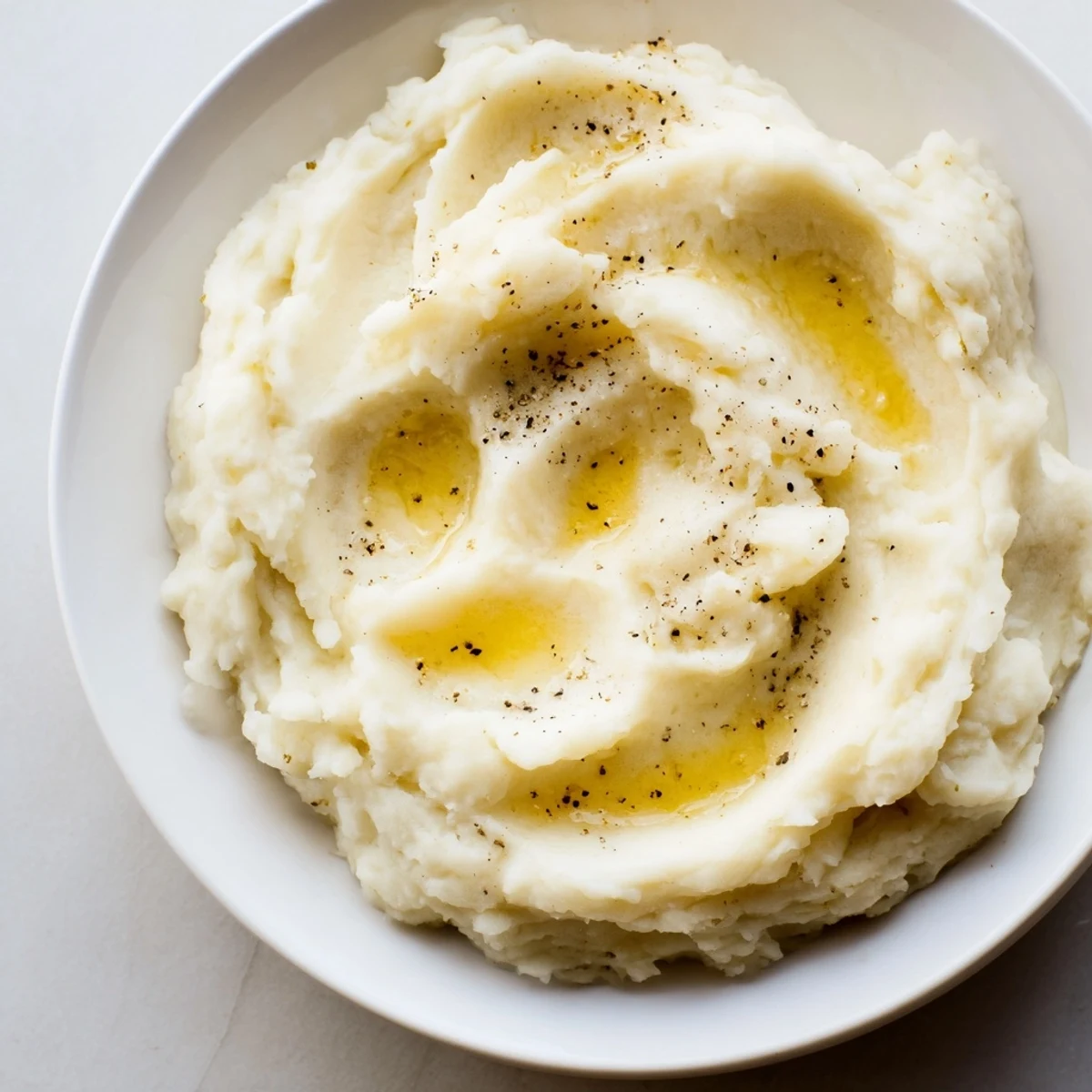
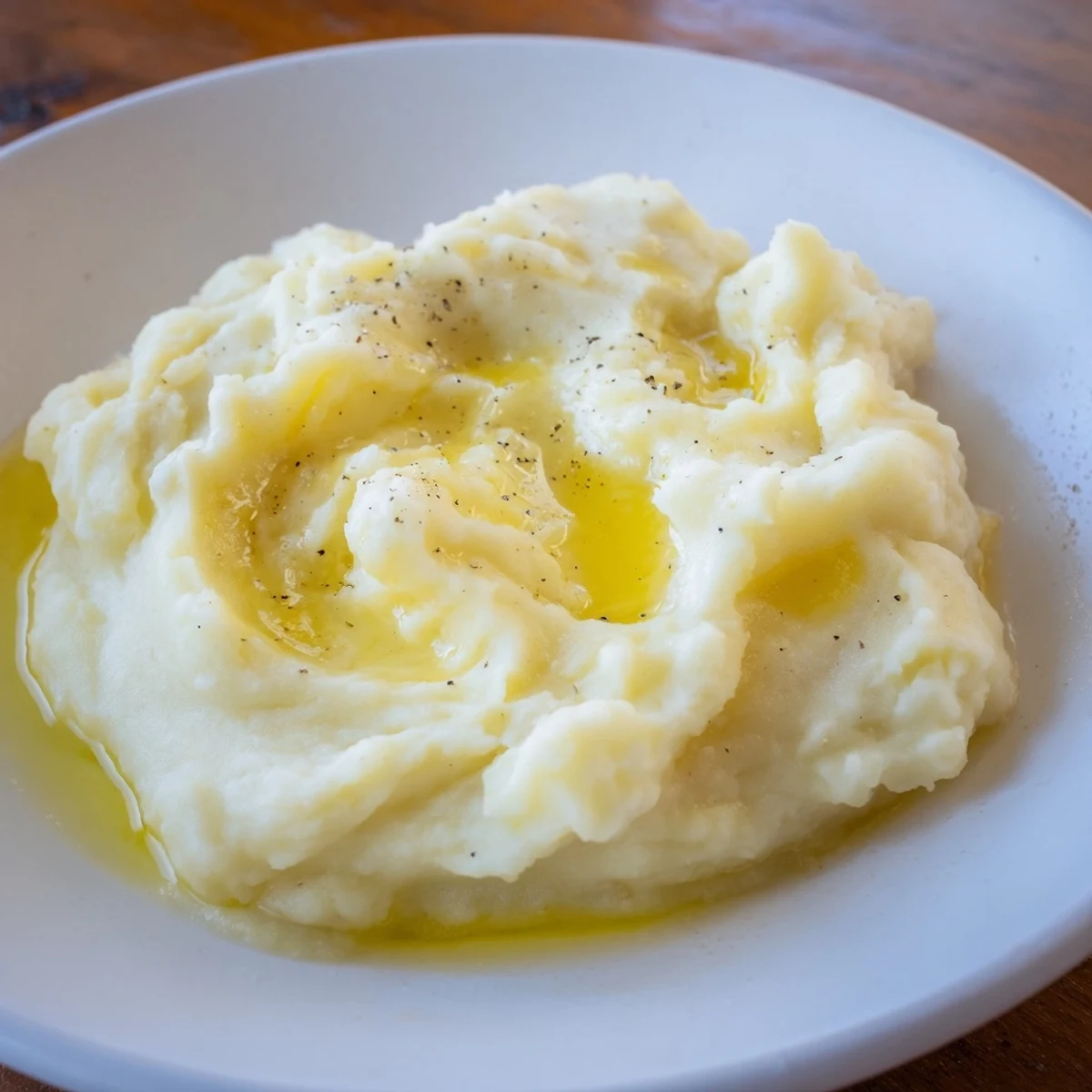
Save This dish features tender potato chunks boiled until soft, then mashed with warm milk and butter for a rich, creamy texture. Seasoned simply with salt and pepper, it provides a comforting, versatile side that complements many main courses. For extra richness, consider adding sour cream or cream cheese, or switch butter with olive oil for a dairy-free alternative. Quick to prepare, it suits weeknight dinners or special meals.
There's something about the smell of potatoes boiling that instantly transports me back to my grandmother's kitchen on Sunday afternoons. She'd stand at the stove with a wooden spoon in hand, and I'd watch the steam rise up as she talked about her week. One day she handed me the masher and said, "This is where the magic happens," and I realized she wasn't just talking about the potatoes.
I made these for a potluck once where everyone brought complicated dishes, and mine disappeared first. A friend asked for the recipe, and I realized it wasn't fancy that mattered—it was the comfort of something done right.
Ingredients
- Russet or Yukon Gold potatoes (1.5 lbs, peeled and chunked): Yukon Golds are naturally creamier and forgiving, but russets work beautifully too if that's what you have.
- Unsalted butter (4 tbsp, plus extra): Cold butter adds richness, but room temperature melts in more smoothly if you're impatient like me.
- Whole milk (1/2 cup, warmed): Warming it first prevents the potatoes from cooling down and seizing up.
- Salt and freshly ground black pepper: Taste as you go because everyone has different salt preferences.
Instructions
- Start with cold water and salt:
- Place potato chunks in a large pot and cover completely with cold water, adding a generous pinch of salt. This approach lets the potatoes cook evenly from the inside out.
- Boil until they practically fall apart:
- Bring to a boil over high heat, then lower to medium and simmer 15-20 minutes until a fork slides through without resistance. You want them truly tender, not just barely cooked.
- Drain thoroughly:
- Pour them into a colander and let them sit for a moment so excess moisture drains away. Wet potatoes make gluey mashed potatoes, so don't skip this.
- Mash while they're hot:
- Return drained potatoes to the warm pot and add butter immediately, mashing with steady pressure until mostly smooth. The heat helps the butter distribute evenly.
- Add milk gradually and taste:
- Pour in warmed milk a little at a time, stirring between additions until you reach the exact consistency you want. Some days I like mine thicker, other days silkier.
- Season and adjust:
- Taste, then add salt and pepper slowly because it's easy to oversalt. This is your moment to make them exactly yours.
 Save
Save My partner once came home from work on a terrible day and sat at the kitchen counter while I made these. We didn't talk much, just the sound of the masher and the gentle sizzle of butter. Sometimes food is exactly what someone needs when words aren't enough.
Variations That Work
I've added sour cream for tanginess, cream cheese for richness, and even a splash of buttermilk when I wanted something lighter. Each one shifts the flavor in ways that feel intentional rather than accidental. You could also roast garlic cloves first and mash them in, or add a handful of fresh herbs at the end if you want to feel creative.
Why This Dish Matters
Mashed potatoes are one of those dishes that reminds you why you cook in the first place. There's no pretense, no technique to hide behind—just good potatoes, good butter, and the time you take to get them right.
A Few Practical Notes
If you're cooking for guests and need to make them ahead, reheat gently in a pot with a splash of milk stirred in. Cold mashed potatoes can taste starchy, but warming them back up brings the flavor back. For dairy-free versions, warm oat or almond milk works, though the result tastes lighter and more delicate.
- Always use a potato masher, not a food processor—the processor will turn them into glue.
- Taste them multiple times while seasoning because salt is the ingredient that makes them taste like themselves.
- Serve immediately if you can, because mashed potatoes are at their best when they're still warm and have that fresh mash texture.
 Save
Save These potatoes have been on my table for years, and they never feel boring. That's the quiet power of making something simple really well.
Questions & Answers
- → What type of potatoes works best?
-
Russet or Yukon Gold potatoes are ideal for their starchy and creamy textures when mashed.
- → How can I make the potatoes extra creamy?
-
Add sour cream or cream cheese in addition to butter and milk for a richer consistency.
- → Can I substitute butter for a dairy-free option?
-
Yes, olive oil is a great dairy-free alternative that still adds smoothness and flavor.
- → What is the best method to get lump-free mashed potatoes?
-
Drain potatoes well, mash while still hot, and gradually add warm milk while mashing for a smooth result.
- → How should I season the mashed potatoes?
-
Season with salt and freshly ground black pepper to enhance the natural flavors without overpowering.