
 Save
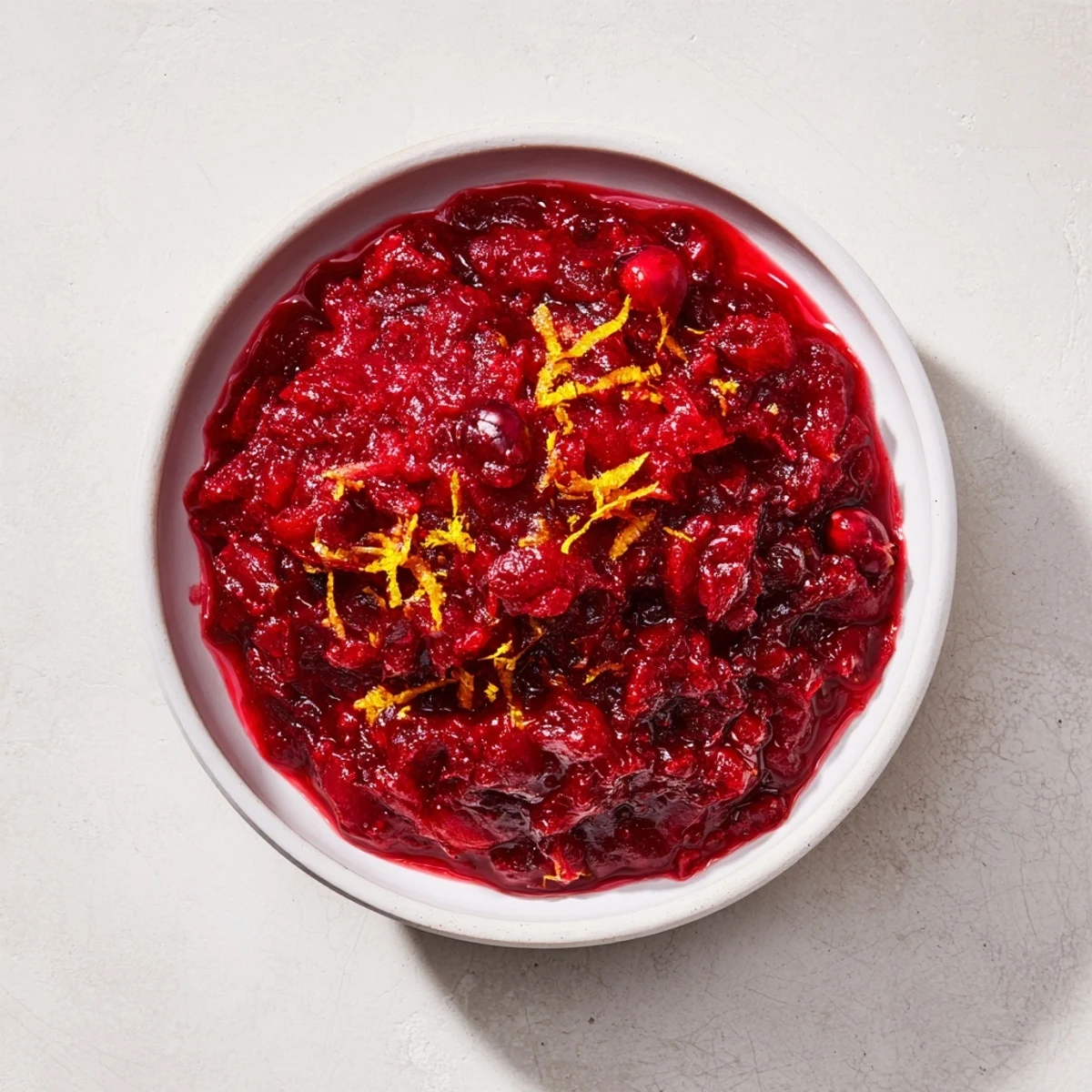
Save This vibrant cranberry sauce combines fresh cranberries with grated ginger and orange zest, simmered with sugar and juice until thickened. The tangy-sweet blend delivers a zesty twist, ideal for complementing holiday dishes or adding a flavorful touch to meals year-round. Easy to prepare in 20 minutes, this sauce can be customized with hints of cinnamon or allspice for added warmth. Once cooled, it thickens further and can be refrigerated until serving.
I'll never forget the year I decided to make cranberry sauce from scratch instead of opening a can. It was a Sunday afternoon in November, the kitchen already warm from roasting vegetables, when my grandmother mentioned how her mother used to cook berries down with ginger for brightness. That single suggestion transformed what I thought would be a tedious task into pure kitchen magic—watching those tart little spheres burst and transform into something glossy and alive.
I'll never forget bringing this to a potluck and watching someone take a spoonful, pause mid-conversation, and ask what was different about it. That moment of recognition when someone tastes real, homemade food—it's the reason I make this every year now, even when I'm exhausted by the holidays.
Ingredients
- Fresh or frozen cranberries, 12 oz: These little flavor bombs need no thawing if frozen—they actually perform beautifully straight from the freezer because the ice crystals help them burst faster when heated
- Fresh ginger, 1 tbsp finely grated: Please use fresh, not ground—the heat and brightness you'll get is incomparable, and the fibers give the sauce a subtle texture that feels sophisticated
- Orange zest, from 1 orange: This is where the magic lives; don't skip it or use dried zest, as the oils in fresh zest transform the entire character of the sauce
- Granulated sugar, 3/4 cup: Start here and taste as you go—some cranberries are more tart than others, and you want that balance of sweet and sharp
- Orange juice, 1/4 cup: Fresh squeezed if you have it, but bottled works beautifully too; it keeps the sauce bright instead of dull
- Water, 1/4 cup: This ensures the berries have enough liquid to cook evenly and prevents scorching on the bottom of the pan
- Salt, a pinch: This tiny amount amplifies all the flavors and makes everything taste more intentional
Instructions
- Gather and prep:
- Before you turn on the heat, have everything measured and ready—zest your orange, grate your ginger, measure your sugar. This five minutes of prep means you can focus on watching the transformation instead of scrambling
- Combine everything in the pot:
- Use a medium saucepan so the berries have room to tumble around without crowding; add your cranberries, ginger, orange zest, sugar, juice, water, and that pinch of salt all at once. Give it a gentle stir so everything knows the others are there
- Bring to a boil:
- Turn the heat to medium-high and let it come to a rolling boil, stirring every minute or so. You'll smell the ginger first, then the orange—it's intoxicating
- Reduce and simmer gently:
- Lower the heat to medium-low once it's boiling. Now comes the watching part—the best part. Stir often, every couple of minutes, and listen for the soft pop-pop-pop of berries bursting. This takes about 10 to 12 minutes. You'll see the sauce transform from a loose berry soup into something glossy and thick
- Taste and adjust:
- Before you finish, taste it. Is it tart enough? Sweet enough? Ginger punch enough? Now's the moment to add a touch more of anything that needs it
- Cool to room temperature:
- This is patience, but it matters—the sauce thickens significantly as it cools, so what seems slightly loose on the stove will be perfectly spoonable in a bowl. Let it sit in the pot for at least 20 minutes
- Store it away:
- Transfer to a serving bowl or an airtight container and refrigerate until you're ready to serve. It keeps beautifully for up to two weeks
 Save
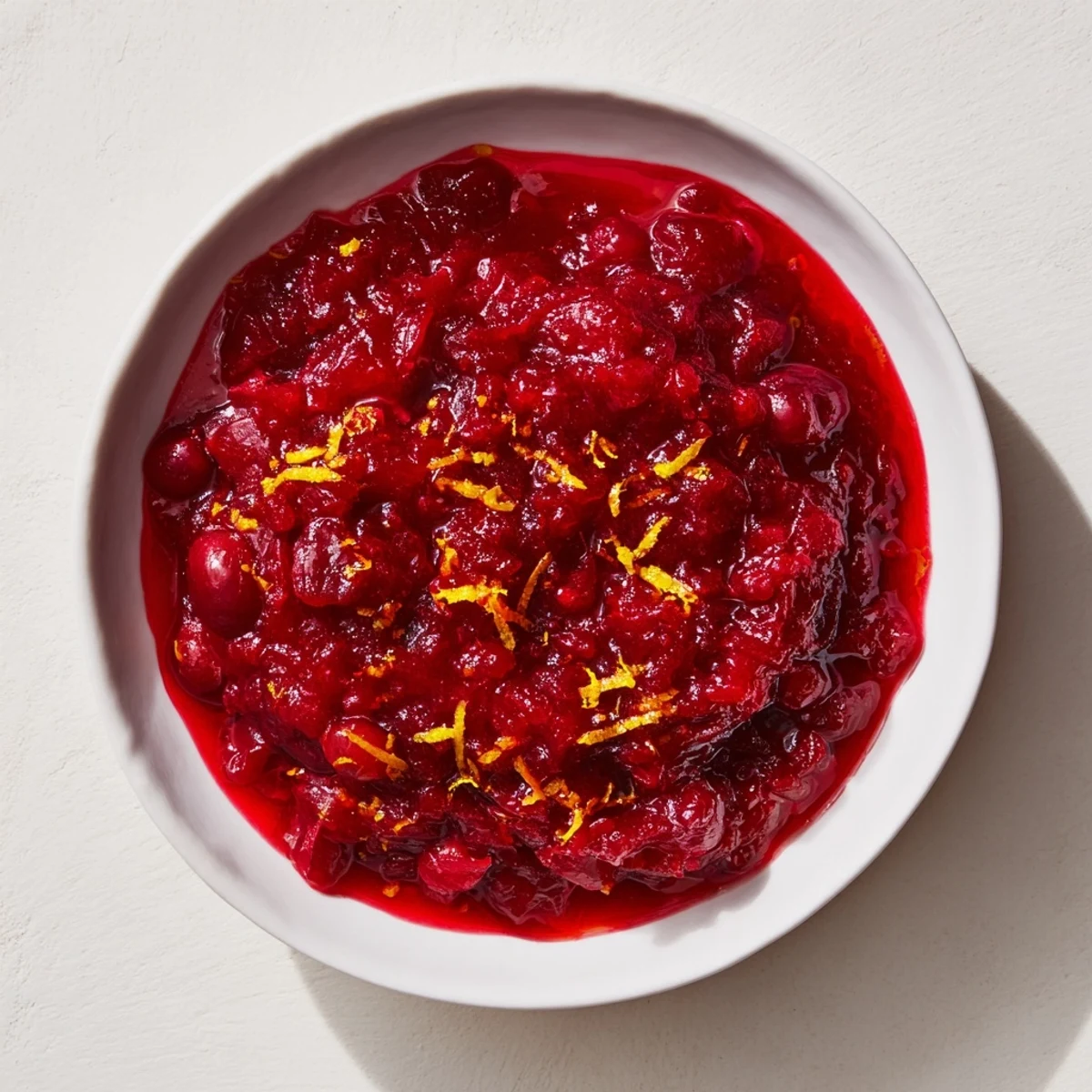
Save There's something deeply satisfying about serving something homemade at a holiday table—it's a small act of care that somehow says everything.
The Ginger Question
I've learned that ginger is assertive and opinions differ wildly on how much warmth you want in this sauce. Start with the full tablespoon if you love heat; if you're serving guests who prefer gentler flavors, start with 1.5 teaspoons and build from there. The beauty of cooking is that you get to taste and adjust—that's the real skill.
Variations Worth Trying
Once you've mastered the basic version, this sauce is endlessly adaptable. A pinch of cinnamon or allspice brings warmth that reminds you of pie spice; a splash of bourbon or rum adds sophistication; swapping maple syrup for half the sugar creates a deeper, more complex sweetness. Each version feels like making a new recipe, which keeps this humble condiment interesting year after year.
Serving and Pairing
This sauce deserves to be more than just a turkey companion. It transforms roasted chicken, adds brightness to pork chops, and spreads beautifully on turkey sandwiches the day after the feast. I've even spooned it over vanilla ice cream on a whim and discovered something unexpectedly wonderful. Think of it as a flavor bridge—sharp enough to cut through rich foods, sweet enough to balance savory dishes, with enough personality to stand on its own.
- Spread it on leftover turkey sandwiches for a completely different meal
- Pair it with roasted duck for an elegant dinner that feels restaurant-worthy
- Stir a spoonful into plain yogurt or whipped cream for a simple, stunning dessert
 Save
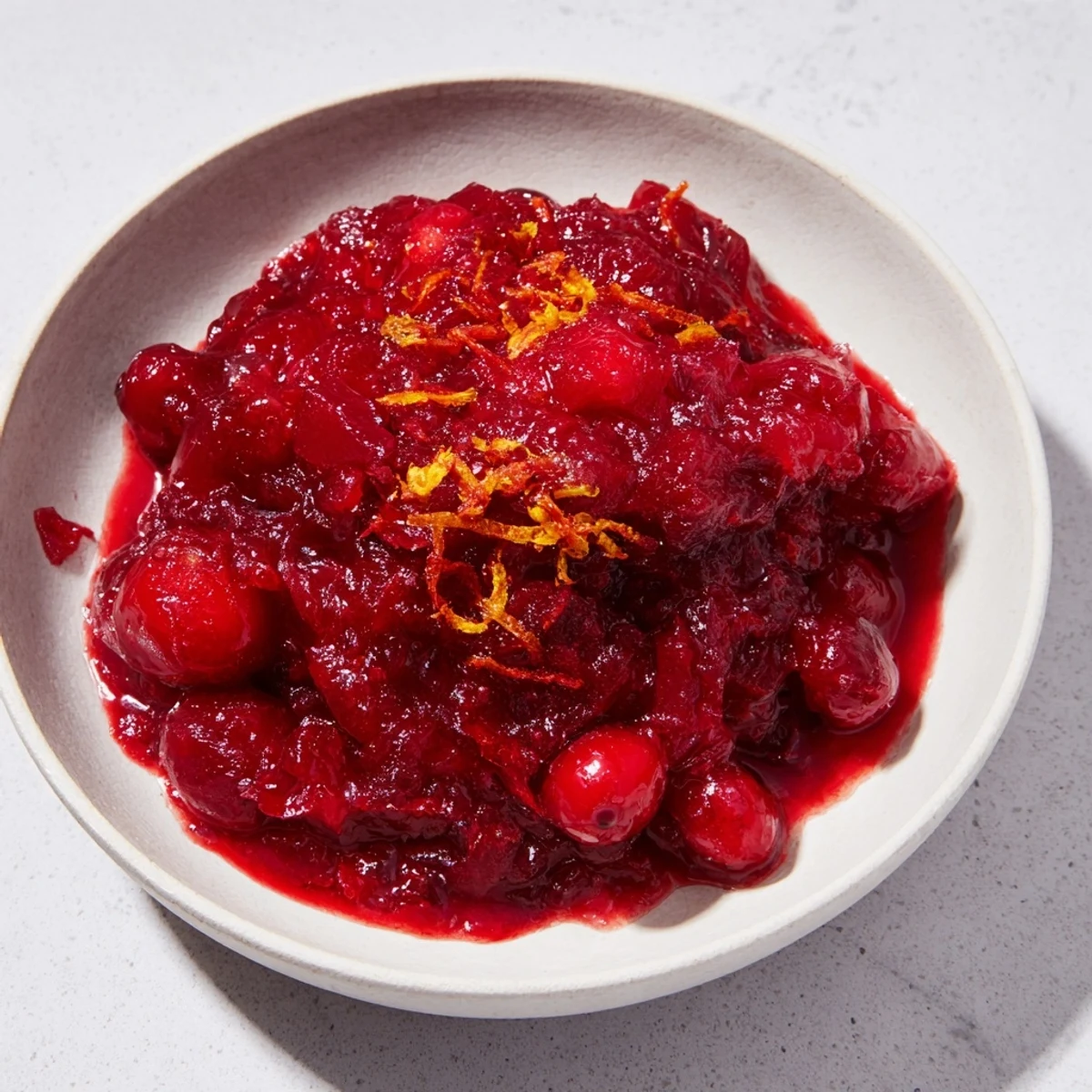
Save Homemade cranberry sauce is the kind of small effort that creates disproportionate joy. Make it once, and you've started a tradition.
Questions & Answers
- → Can I use frozen cranberries for this sauce?
-
Yes, frozen cranberries work well and produce a sauce just as vibrant and flavorful as fresh ones.
- → How do I adjust the sweetness or spice level?
-
Taste the sauce towards the end of cooking and add more sugar for sweetness or extra grated ginger for spiciness as desired.
- → What dishes pair well with this cranberry sauce?
-
It complements roast turkey, chicken, pork, and can be used as a spread for sandwiches or alongside various holiday dishes.
- → Can I substitute sugar with other sweeteners?
-
Maple syrup or honey can be used in place of sugar to create a different flavor profile while maintaining sweetness.
- → How should I store the sauce after cooking?
-
Transfer to an airtight container and refrigerate. The sauce thickens as it cools and stays fresh for several days.