
 Save
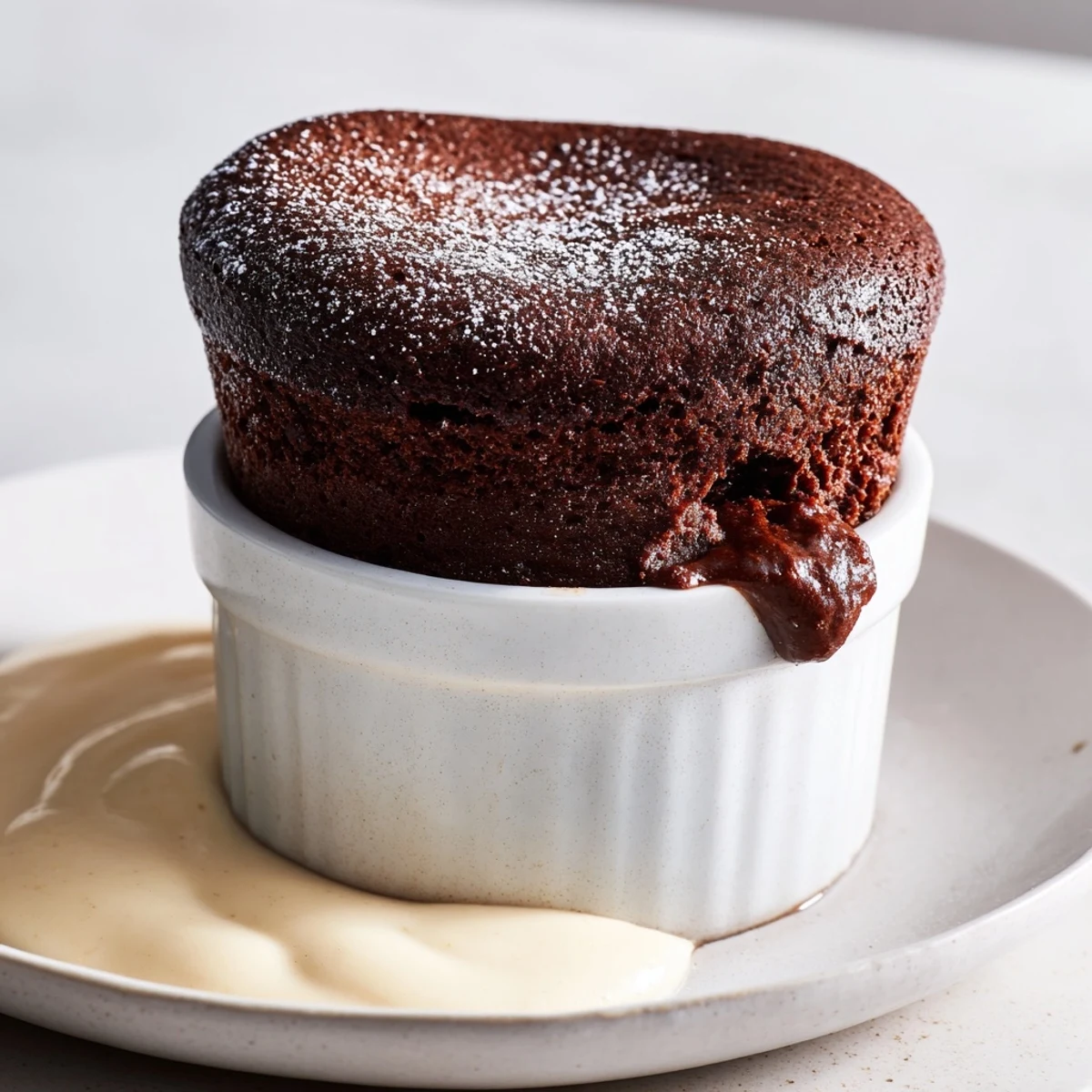
Save This dish features a delicate chocolate soufflé baked to a gentle rise with a soft center, complemented by a rich, silky vanilla crème anglaise. The soufflé uses dark chocolate and whipped egg whites for lightness, while the sauce combines warm milk, cream, and egg yolks infused with vanilla. Perfectly balanced and elegant, it requires careful folding and baking techniques for impressive texture and flavor.
The first time I attempted soufflé, my kitchen became a temporary laboratory of nervous energy. I had dinner guests arriving in under an hour and had chosen possibly the most temperamental dessert in the French repertoire. The moment those ramekins emerged from the oven, climbing toward impossible heights, I understood why people obsess over this dish. That first spoonful—molten chocolate center giving way to airy lightness—made every minute of anxiety worth it.
Last Valentine's Day, I made these for my partner who had never experienced a freshly baked soufflé before. The oven light became our shared secret—we kept checking the progress like nervous parents. When I pulled them out, still trembling with heat, and poured that silky custard over the top, the quiet that fell over the table said everything. Sometimes food creates memories faster than any photograph could.
Ingredients
- Dark chocolate (70% cocoa): The higher cocoa percentage creates that sophisticated, barely-sweet flavor that makes this feel elegant rather than childish
- Unsalted butter: Use the good stuff here—European style with higher fat content makes a noticeable difference in texture
- Eggs, separated: Room temperature eggs whip up better, so pull them out about 30 minutes before you start cooking
- Cream of tartar: This tiny pinch is insurance for your egg whites, helping them hold their structure through folding and baking
- Whole milk and heavy cream: The combination creates a crème anglaise with body but not excessive heaviness
- Vanilla: If using a vanilla bean, scrape those tiny black seeds into your milk—the visual specks alone make the custard feel special
Instructions
- Prep your vessels:
- Butter those ramekins like you mean it—every centimeter needs coverage. The sugar dusting isn't just for show, it gives the soufflé something to grip as it climbs up the sides.
- Melt the chocolate:
- Keep your water at a gentle simmer, not a rolling boil. Stir constantly until the chocolate disappears into that glossy pool, then step away and let it cool slightly while you work on the eggs.
- Build the base:
- Whip those yolks until they're practically smiling—pale, thick, and doubled in volume. Fold the chocolate in gently, treating it like something precious that could lose its air if you rush.
- Whip the whites:
- Clean bowl, no trace of yolk, whisk until soft peaks form like dolloped clouds. Add that tablespoon of sugar gradually and keep going until the whites stand at attention when you lift the whisk.
- The marriage:
- Start with one third of the whites, folding them in like you're saying hello. Then add the rest, barely combining—streaks of white are better than deflated mixture.
- Fill and finish:
- Fill those ramekins nearly to the top, then run your thumb around the inside edge. This trick helps the soufflé rise straight instead of tilting like the Leaning Tower.
- Bake:
- Twelve to fifteen minutes, but trust your eyes more than the timer. You want them well risen and set on top but still trembling slightly in the center when you gently shake the pan.
- Meanwhile, make the magic:
- Heat your milk and cream until it's just about to bubble, then whisk hot liquid into yolks like you're preventing scrambled eggs. Return to low heat, stir without stopping until it coats the back of your spoon, then strain it into something warm.
- Serve immediately:
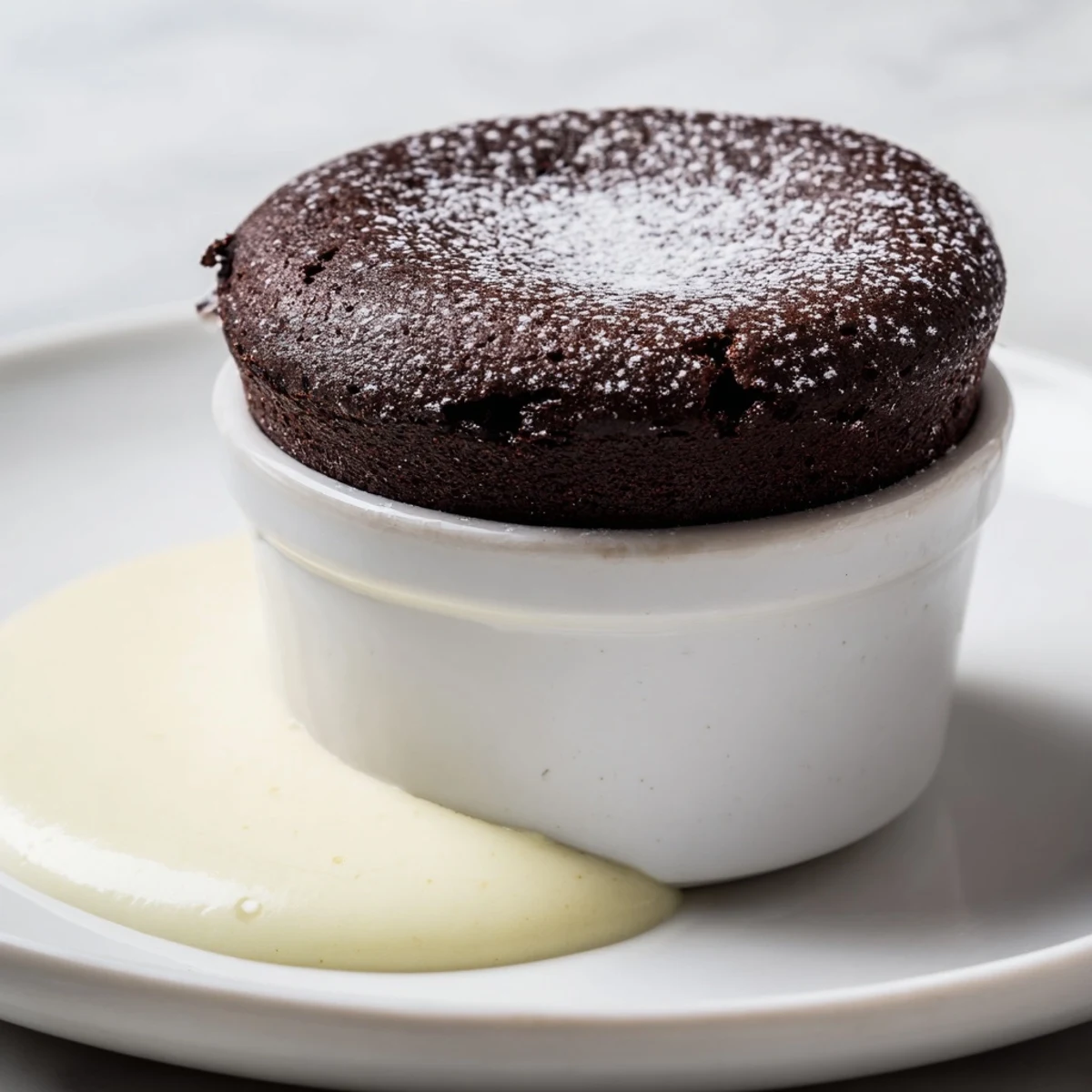
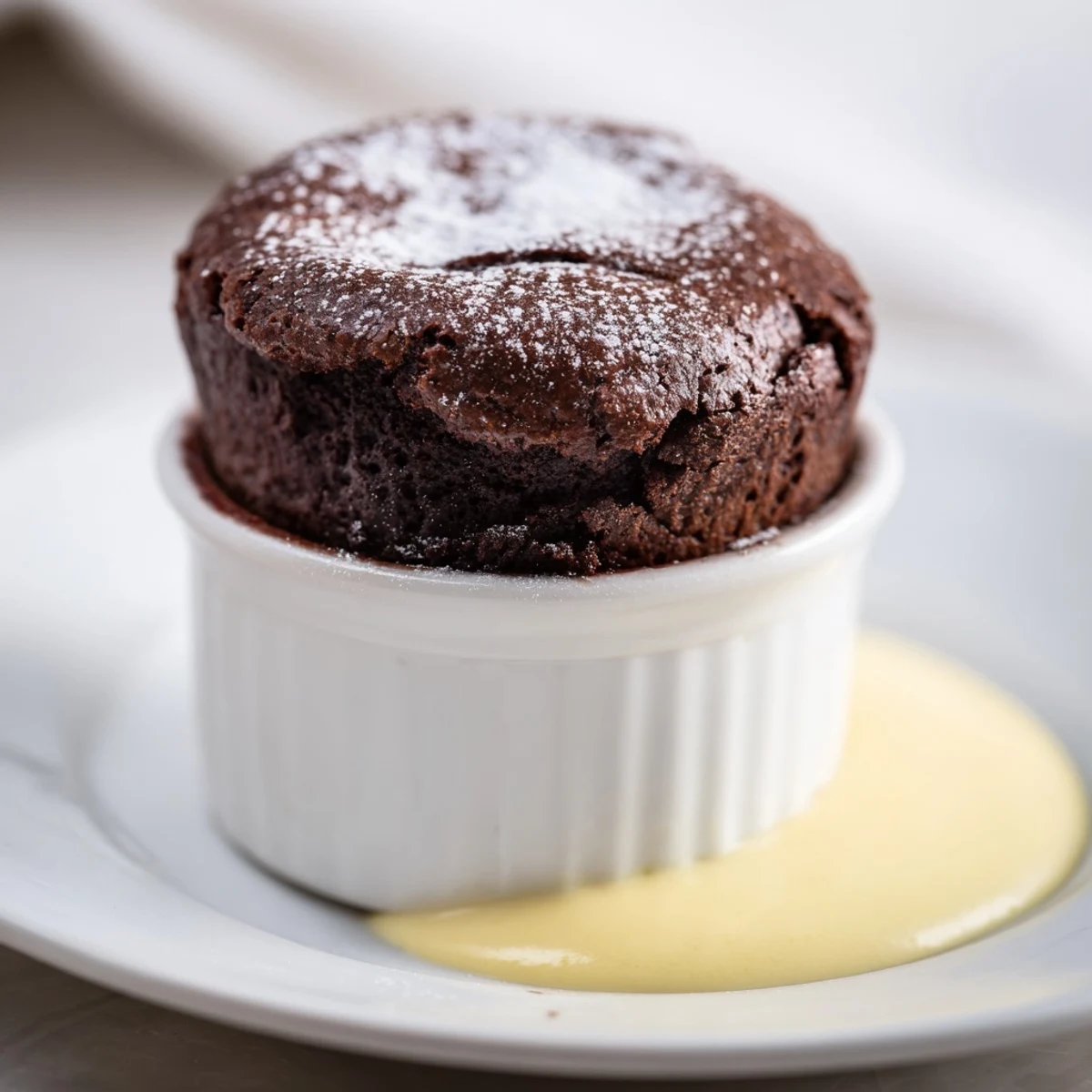
- These beauties won't wait. Dust with powdered sugar, pour that golden custard around the base, and carry them to the table while they're still dramatically tall.
 Save
Save My grandmother used to say that soufflés were the ultimate test of a cook's patience and nerve. She wasn't wrong, but she also didn't tell me how profoundly satisfying it would feel to serve something that transforms before your guests' eyes. Every time I make these now, I think of her standing in her kitchen, probably nervous but too proud to admit it, pulling something impossibly light from her own oven.
The Secret to Consistent Height
After making soufflés for years, I've learned that oven temperature matters more than any other factor. An oven thermometer is worth the small investment, and I always give my oven a full 20 minutes to come to temperature before the ramekins go in. The rapid initial rise creates the structure that keeps everything aloft during baking.
Crème Anglaise Mastery
The difference between thin custard and proper crème anglaise is mere seconds and careful temperature control. I keep an ice bath ready in case things move too fast, and I've learned that stirring with a heat-proof spatula gives me better control than a wooden spoon. The moment it coats the back of a spoon and holds a line when you drag your finger through it—that's your finish line.
Make-Ahead Strategy
The crème anglaise can be made up to two days ahead and stored in the refrigerator, which actually helps the vanilla develop more fully. Give it a gentle whisk before serving to restore its silky texture. The soufflé base can be prepared hours in advance—just fold in the egg whites and bake at the last possible moment.
- Butter and dust your ramekins the morning you plan to serve
- Separate your eggs and bring everything to temperature while you prep the base
- Have your dessert plates warmed before the soufflés emerge from the oven
 Save
Save There's something profoundly satisfying about serving a dish that feels like a small miracle of physics and patience. I hope your kitchen fills with that wonderful chocolate perfume and your table falls quiet at first spoonful.
Questions & Answers
- → How do I achieve the perfect rise for the soufflé?
-
Ensure egg whites are whipped to stiff peaks and gently fold them into the chocolate mixture to retain air. Use well-buttered and sugared ramekins to help the soufflé climb evenly.
- → What is the purpose of cream of tartar in the egg whites?
-
Cream of tartar stabilizes whipped egg whites, helping maintain volume and preventing collapse during baking.
- → How should I serve the soufflé and sauce?
-
Serve the soufflé immediately after baking while still warm and airy, accompanied by the crème anglaise poured gently on the side or over the top.
- → Can I add flavor variations to the chocolate mixture?
-
Yes, adding a splash of orange liqueur or espresso enhances depth and complexity without overpowering the chocolate.
- → How do I ensure the crème anglaise is smooth and not curdled?
-
Cook gently over low heat while stirring constantly, and avoid boiling. Strain the sauce after cooking to remove any lumps.