
 Save
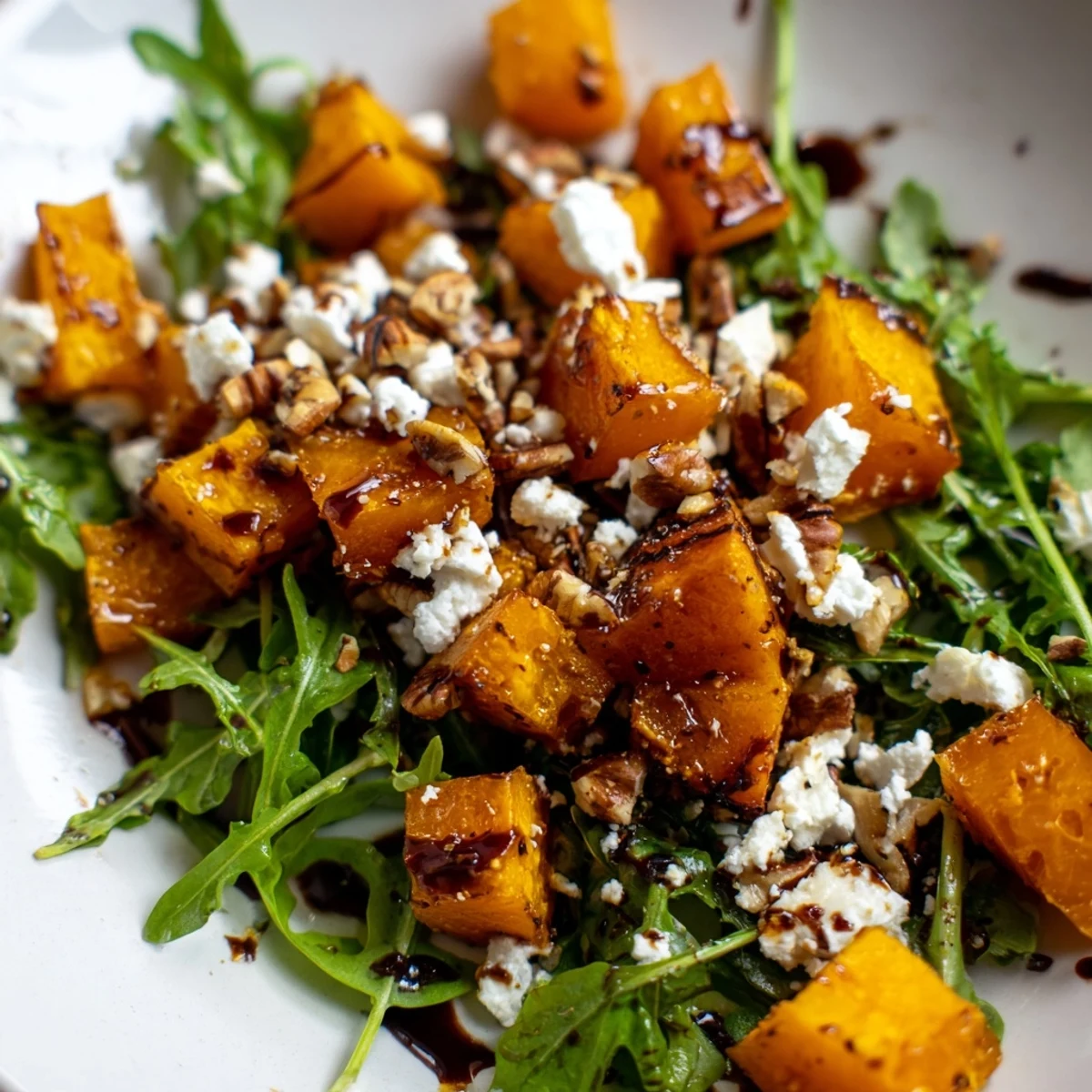
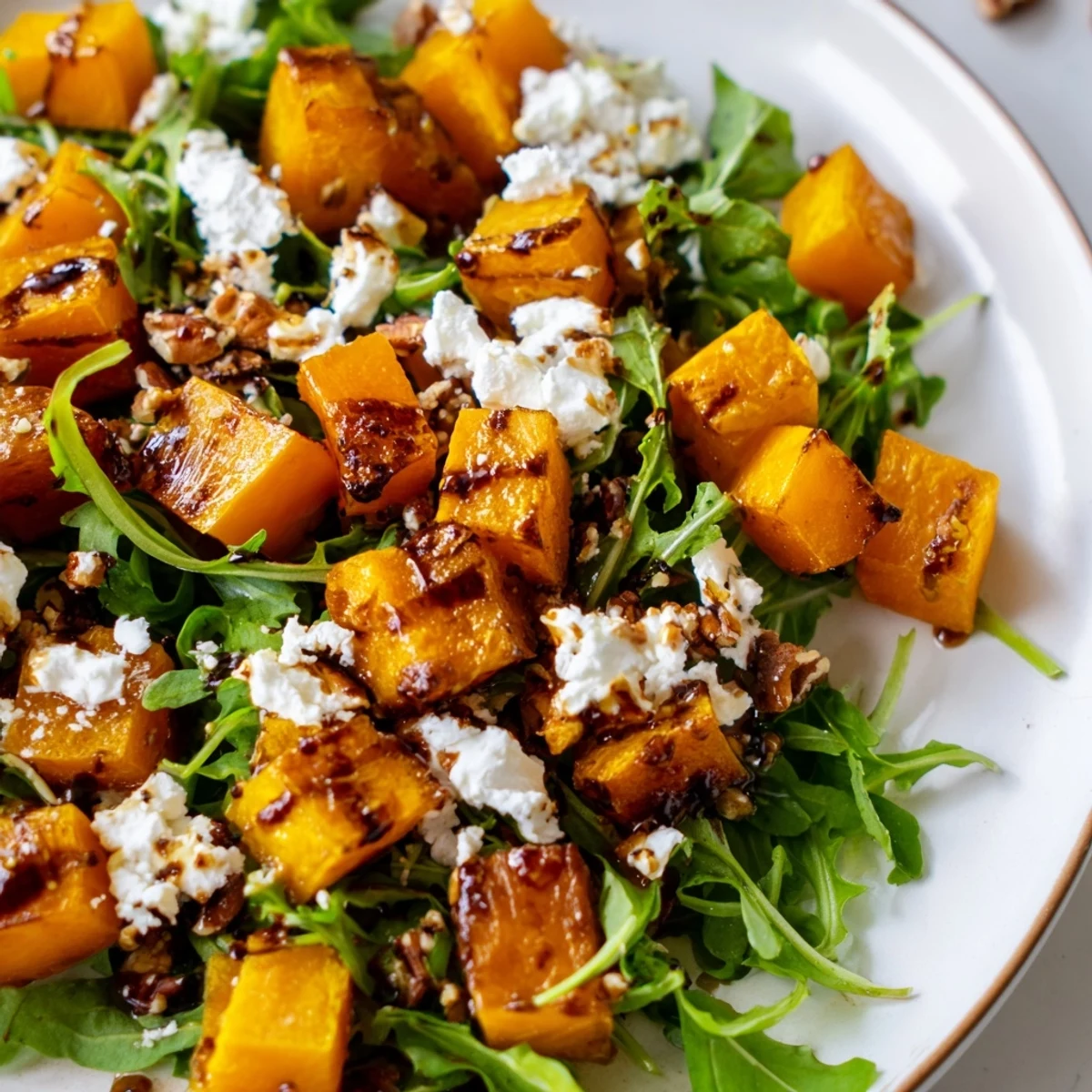
Save This autumn-inspired dish blends tender roasted butternut squash with fresh arugula and creamy goat cheese. Toasted pecans add crunch, while a honey-balsamic vinaigrette brings a perfect balance of sweet and tangy flavors. Quick to prepare and packed with vibrant textures, this salad offers a wholesome and satisfying experience ideal for light meals or side dishes.
The first time I made this salad, I was trying to use up a butternut squash that had been sitting on my counter for days, waiting for the right moment. I wasn't aiming for anything fancy—just something warm and substantial that could sit on greens without wilting them into submission. The moment the roasted squash hit the arugula and the goat cheese started to soften slightly from the heat, I realized I'd stumbled onto something genuinely special.
I made this for a friend who'd just moved into a new apartment, and she ate three helpings while unpacking boxes in her kitchen. She kept saying how the warm squash and cool peppery arugula made her feel like autumn was actually worth celebrating, and honestly, I've thought about that moment every time I've made it since.
Ingredients
- Butternut squash, 1 medium (about 2 lbs), peeled, seeded, and cubed: The star of the show—look for one that's heavy for its size and has a deep golden color, which means better flavor and less fibrous texture inside.
- Fresh arugula, 5 oz (140 g): Buy it a day or two before you need it and store it unwashed in the crisper; it tastes fresher and holds up better against the warm squash.
- Goat cheese, 3 oz (85 g), crumbled: Keep it slightly cold from the fridge and crumble it just before serving so you get those irregular, creamy pockets throughout the salad.
- Pecans, 1/2 cup (60 g), roughly chopped: Toast them yourself even if it takes an extra few minutes—the difference between raw and toasted pecans is honestly the difference between a decent salad and one worth remembering.
- Extra virgin olive oil, 3 tbsp: This goes in the dressing, so use something you actually enjoy tasting on its own; it should smell grassy and a little peppery.
- Balsamic vinegar, 1.5 tbsp: The darker and thicker it is, the less aggressively tangy it tastes, so older balsamic is actually your friend here.
- Honey, 1 tbsp: Drizzle it into the vinegar first before whisking so it dissolves evenly and doesn't clump up in the dressing.
- Dijon mustard, 1 tsp: This tiny amount acts as an emulsifier and adds a subtle background warmth that rounds out the flavor.
- Garlic clove, 1/2 small, finely minced: Use fresh garlic here—it's too small an amount for jarred to make sense, and the raw bite cuts through the richness beautifully.
- Olive oil for roasting, 1.5 tbsp: Regular olive oil is fine here since high heat breaks down the flavor of expensive extra virgin anyway.
- Ground cinnamon, 1/2 tsp: The spice brings out the natural sweetness of the squash and makes people ask what that warm, familiar note is.
- Smoked paprika, 1/2 tsp (optional): If you use it, it adds a subtle campfire quality that makes the salad feel less delicate and more grounded.
Instructions
- Prep and heat:
- Set your oven to 400°F and line a baking sheet with parchment paper so cleanup is effortless later. Getting your oven to temperature while you work through the squash prep means everything flows smoothly.
- Season the squash:
- Toss your cubed squash with olive oil, cinnamon, smoked paprika (if using), salt, and pepper in a big bowl until every piece is coated. Spread it out on the baking sheet in a single layer so the pieces can actually get golden instead of steaming in a crowded pan.
- Roast until caramelized:
- Roast for 25 to 30 minutes, flipping the pan or stirring halfway through so everything browns evenly. You'll know it's done when the edges are dark and caramelized and a fork slides through the flesh easily.
- Toast the pecans:
- While the squash is roasting, put your chopped pecans in a dry skillet over medium heat and listen for them to start smelling nutty and warm—this usually takes 2 to 3 minutes. Keep stirring so they toast evenly and don't burn, then pour them onto a plate to cool.
- Build the dressing:
- Whisk together the extra virgin olive oil, balsamic vinegar, honey, Dijon mustard, minced garlic, salt, and pepper in a small bowl. Taste it before you use it and adjust the balance—it should taste bright but not so sharp that it makes your face twist.
- Compose the salad:
- Put your arugula in a large serving bowl and add the cooled roasted squash, toasted pecans, and crumbled goat cheese. Drizzle the vinaigrette over everything just before serving and toss gently so the arugula wilts slightly but doesn't fall apart into a mess.
 Save
Save There's a moment when the warm butternut squash meets the cold goat cheese and peppery arugula that feels almost alchemical—like you've accidentally created something that tastes both comforting and elegant at the same time. That's when you know you've made something worth making again.
Why This Salad Works Year-Round
Most people think of this as an autumn dish, and sure, butternut squash is at its peak in fall. But I've made it in spring with the first tender arugula of the season and it felt just as right, and I've roasted squash in the dead of January when I needed something warm and grounding. The spices—cinnamon and smoked paprika—act like bridges between seasons, making it feel appropriate whenever you decide to make it.
Building Flavor Through Contrast
What makes this salad sing is that every element does something different. The squash is sweet and soft, the arugula is peppery and crisp, the goat cheese is tangy and creamy, the pecans are crunchy and buttery, and the vinaigrette ties it all together with brightness and a whisper of honey. None of these things are complicated on their own, but together they create something that feels bigger than the sum of its parts.
Variations That Feel Natural
Once you understand how this salad is built, you can play with it in ways that feel organic rather than forced. I've made it with crumbled feta when I wanted something more assertive, added thinly sliced apple for people who like salad to lean sweeter, and even stirred in some quinoa to make it substantial enough for lunch. The core idea—warm roasted squash, peppery greens, creamy cheese, crunchy nuts, bright dressing—is flexible enough to hold whatever you want to add.
- Try blue cheese if you want something more pungent and complex.
- Dried cranberries or fresh pomegranate seeds add tartness without softening the way fresh fruit can.
- A handful of toasted pumpkin seeds works beautifully as a substitute if you don't have pecans on hand.
 Save
Save This salad has become the thing I make when I want to feel like I've accomplished something in the kitchen without actually spending all day there. It's the kind of recipe that tastes like you know what you're doing, even on days when you're just making it up as you go.
Questions & Answers
- → How do I roast butternut squash evenly?
-
Cube the squash into uniform pieces and toss with oil and seasonings. Spread in a single layer on a baking sheet to ensure even cooking and caramelization.
- → Can I substitute the goat cheese?
-
Yes, feta or blue cheese can be used for a similarly tangy flavor. For a dairy-free option, try a plant-based cheese alternative.
- → What extras can enhance this salad’s flavor?
-
Sliced apples or dried cranberries add a sweet contrast to the savory ingredients, while grilled chicken or quinoa can make it more filling.
- → Is it possible to make the dressing less tangy?
-
Reduce balsamic vinegar slightly or add extra honey to balance the acidity according to your taste preferences.
- → How should I store leftovers?
-
Keep the salad and vinaigrette separate in airtight containers. Combine just before serving to maintain freshness and texture.