
 Save
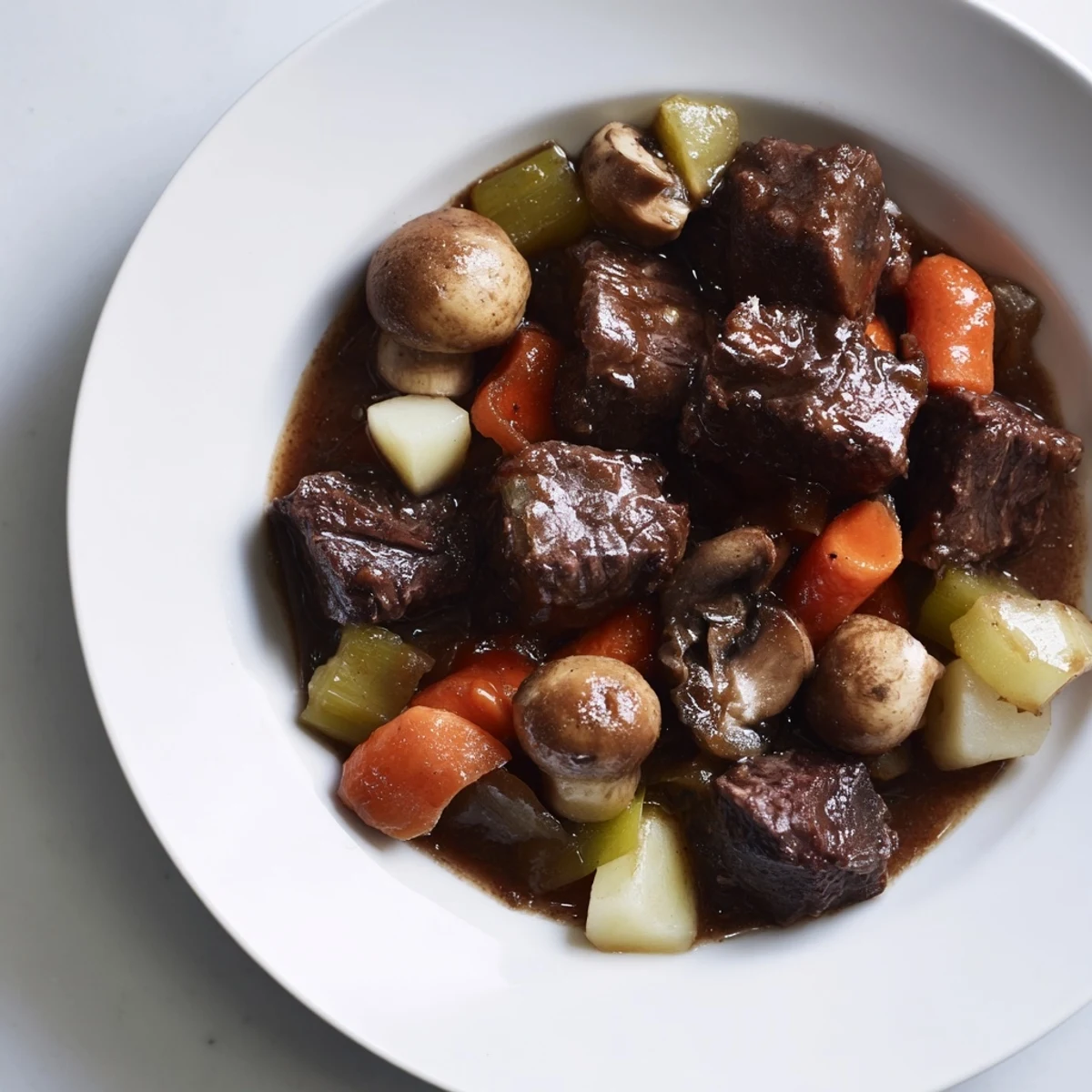
Save This dish features tender chunks of beef slowly cooked alongside carrots, potatoes, mushrooms, and aromatic herbs, resulting in a rich and hearty stew perfect for warming meals. The beef is seared for deep flavor, then gently braised in red wine and beef stock, soaking in the savory sauce. Root vegetables soften and thicken the sauce, creating layers of flavor and comfort. Ideal served warm, it pairs beautifully with crusty bread or robust wine.
I threw this together on a gray Sunday afternoon when the house felt too quiet and the kitchen too cold. The smell of browning beef brought my neighbor to the door an hour later, asking what I was making. By dinnertime, the pot was nearly empty and the windows were fogged with warmth.
I made this for a friend who had just moved into a new apartment with nothing but bare walls and boxes. We ate it straight from bowls on the floor, laughing about how something so simple could feel like such a celebration. She still texts me every winter asking for the recipe, even though I have sent it to her three times.
Ingredients
- Beef chuck: This cut has just enough marbling to stay juicy through the long braise, turning meltingly tender without drying out.
- Olive oil: Use a good pour to get a deep sear on the beef, which builds the flavor base for the whole stew.
- Onions: They sweeten as they cook down, adding a subtle richness that balances the savory stock.
- Carrots and celery: Classic aromatics that give the broth body and a gentle earthiness you can taste in every spoonful.
- Garlic: Minced fine so it melts into the sauce, adding warmth without overpowering the beef.
- Potatoes: They soak up the braising liquid and turn creamy on the edges, making the stew more filling.
- Button mushrooms: Halved so they hold their shape and add a meaty texture that complements the beef.
- Tomato paste: A spoonful deepens the color and adds a concentrated umami kick.
- Beef stock: The backbone of the sauce, choose a rich one or make your own if you have time.
- Dry red wine: It deglazes the pan and adds acidity that cuts through the richness beautifully.
- Worcestershire sauce: A few splashes bring a tangy, slightly sweet complexity that ties everything together.
- Bay leaves and thyme: They infuse the liquid with earthy, herbal notes that smell like comfort.
- Salt and black pepper: Season generously, tasting as you go to bring out the best in every ingredient.
- All-purpose flour: Stirred in early, it thickens the sauce just enough to coat the back of a spoon.
Instructions
- Preheat and Prep:
- Set your oven to 160°C (325°F) so it is ready when the stew goes in. Pat the beef cubes dry with paper towels and season them well with salt and pepper, this helps them brown instead of steam.
- Sear the Beef:
- Heat olive oil in a large Dutch oven over medium-high heat until it shimmers. Brown the beef in batches, turning each piece until all sides are golden and caramelized, then set aside.
- Cook the Aromatics:
- Add onions, carrots, and celery to the same pot, stirring occasionally for about 5 minutes until they soften and start to release their sweetness. Toss in the garlic and cook for 1 minute more, just until fragrant.
- Build the Base:
- Stir in tomato paste and flour, cooking for 2 minutes while stirring to coat the vegetables and toast the flour slightly. This step adds depth and helps thicken the sauce later.
- Deglaze with Wine:
- Pour in the red wine and scrape up all the browned bits stuck to the bottom of the pot. Let it simmer for 2 minutes to cook off the alcohol and concentrate the flavor.
- Combine and Braise:
- Return the beef to the pot along with beef stock, Worcestershire sauce, bay leaves, thyme, potatoes, and mushrooms, bringing everything to a gentle simmer. Cover tightly and slide it into the oven for 2 to 2.5 hours, stirring once or twice, until the beef is fork-tender and the sauce has thickened.
- Finish and Serve:
- Remove the bay leaves and thyme sprigs, taste the sauce, and adjust salt and pepper if needed. Ladle into bowls and serve hot, with crusty bread on the side if you like.
 Save
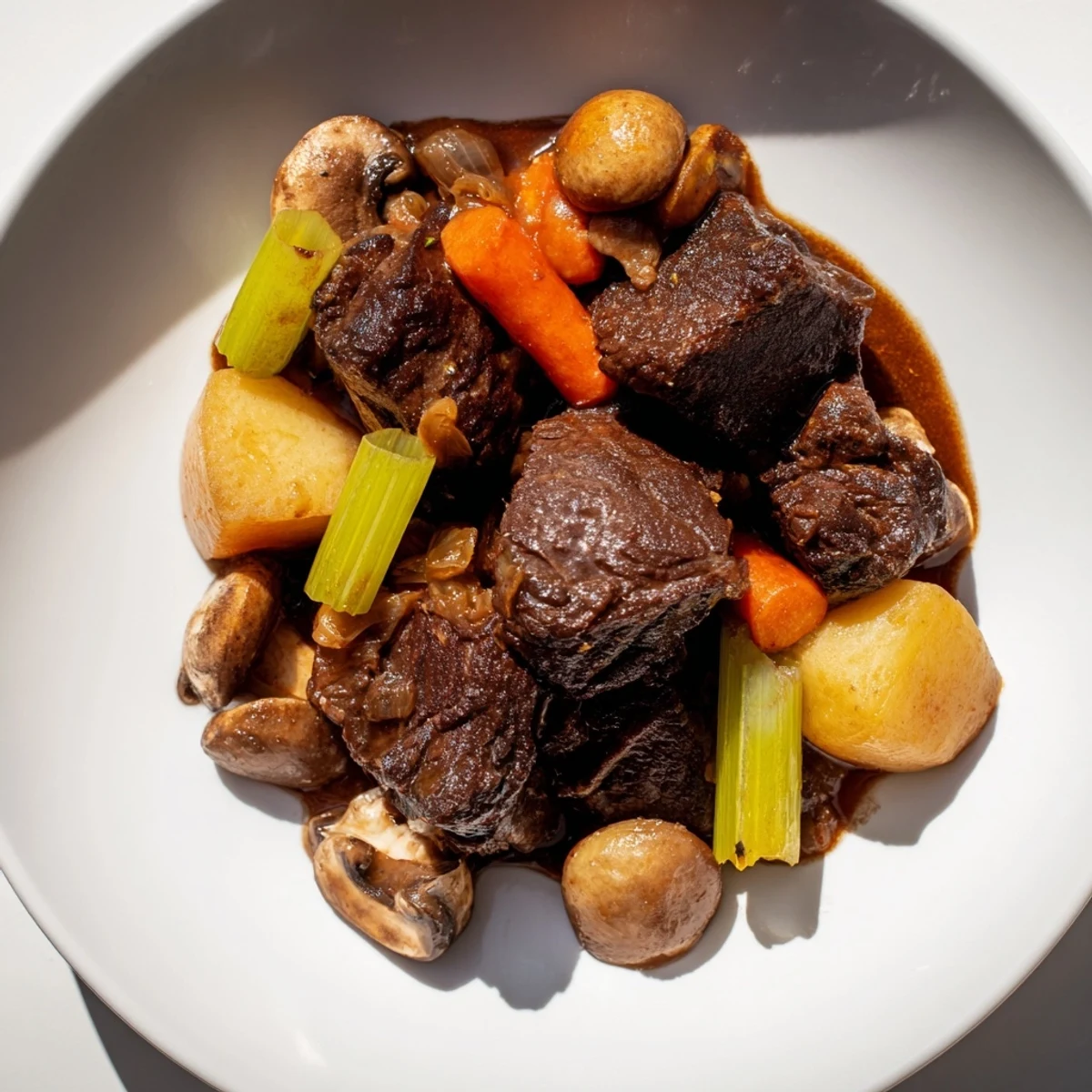
Save One winter evening, I reheated a bowl of this stew after a long day and realized it tasted even better than when I first made it. The flavors had melted together overnight, richer and more rounded, like they had been waiting to show me what they could really do. I ate it slowly, standing at the counter, feeling grateful for meals that improve with time.
Make It Your Own
Swap the potatoes for parsnips or sweet potatoes if you want a slightly sweeter, earthier base. I have also used turnips when I had them on hand, and they held up beautifully in the braise. Play with the vegetables based on what you have, this stew is forgiving and adaptable.
Storage and Reheating
This stew keeps in the fridge for up to four days and freezes well for up to three months in airtight containers. Reheat gently on the stovetop over low heat, adding a splash of stock or water if it has thickened too much. The flavors deepen every time you reheat it, making it perfect for meal prep or batch cooking.
What to Serve Alongside
I love serving this with a thick slice of crusty bread to soak up every drop of sauce, or spooned over creamy mashed potatoes for something even heartier. A simple green salad with a sharp vinaigrette cuts through the richness nicely, and a glass of the same red wine you used in the stew ties the whole meal together.
- Crusty sourdough or baguette, toasted and buttered.
- Mashed potatoes or buttery egg noodles for extra comfort.
- A crisp arugula salad with lemon and olive oil to balance the richness.
 Save
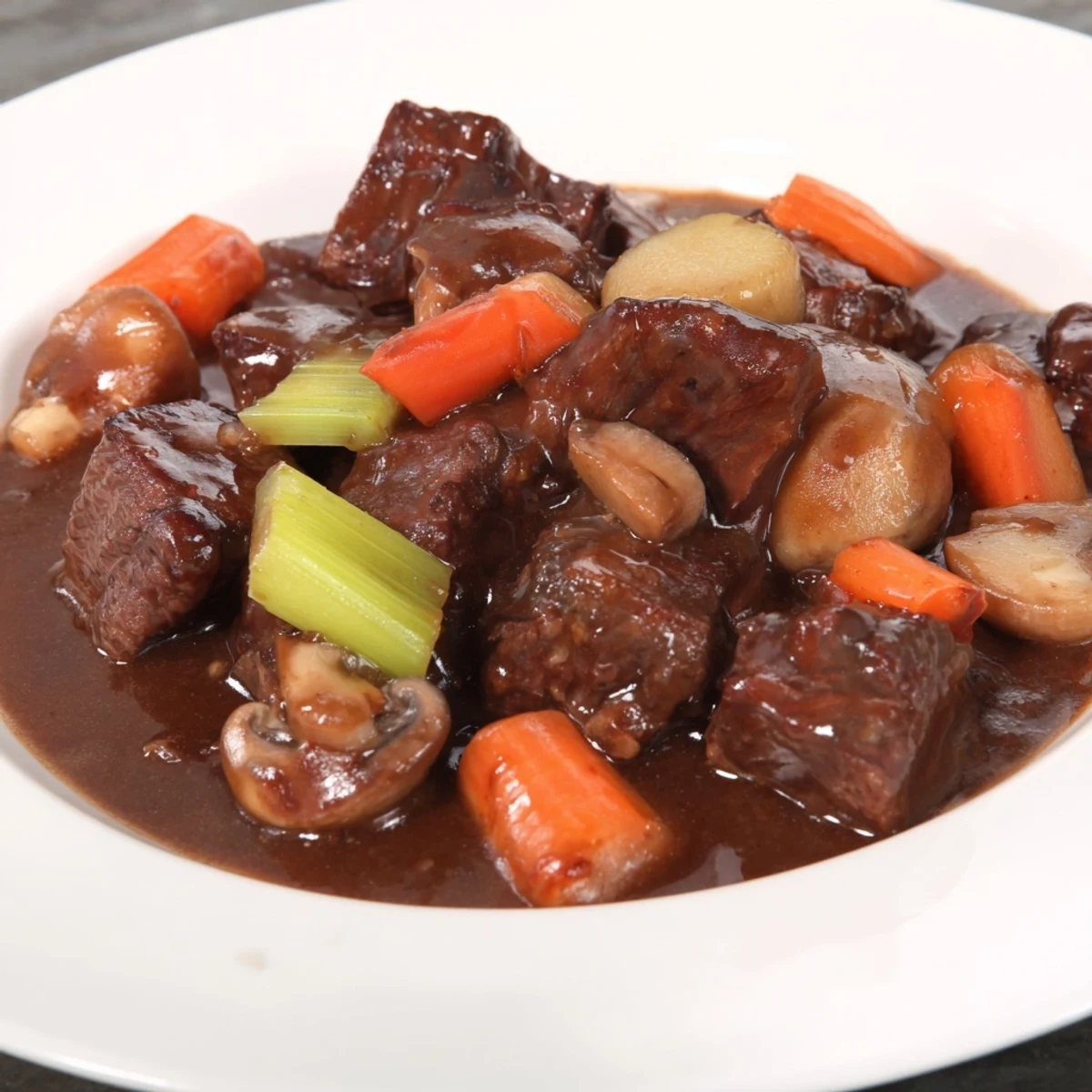
Save This stew has a way of making any evening feel slower and warmer, like you have all the time in the world. I hope it does the same for you.
Questions & Answers
- → How do you achieve tender beef chunks?
-
Searing the beef first seals in juices, then slow braising over low heat for 2-2.5 hours breaks down connective tissues, creating tender meat.
- → Can I substitute the vegetables used?
-
Yes, root vegetables like parsnips or sweet potatoes can replace potatoes to add different flavors and textures.
- → What thickening options are available?
-
Flour is traditional, but for gluten-free alternatives, cornstarch can be used to thicken the sauce effectively.
- → How does red wine affect the flavor?
-
Red wine adds depth and acidity, helping to balance the richness of the beef and enrich the sauce’s savoriness.
- → Is it better to cook this stew ahead of time?
-
Yes, flavors meld and intensify after resting, making it even more delicious when reheated the next day.