
 Save
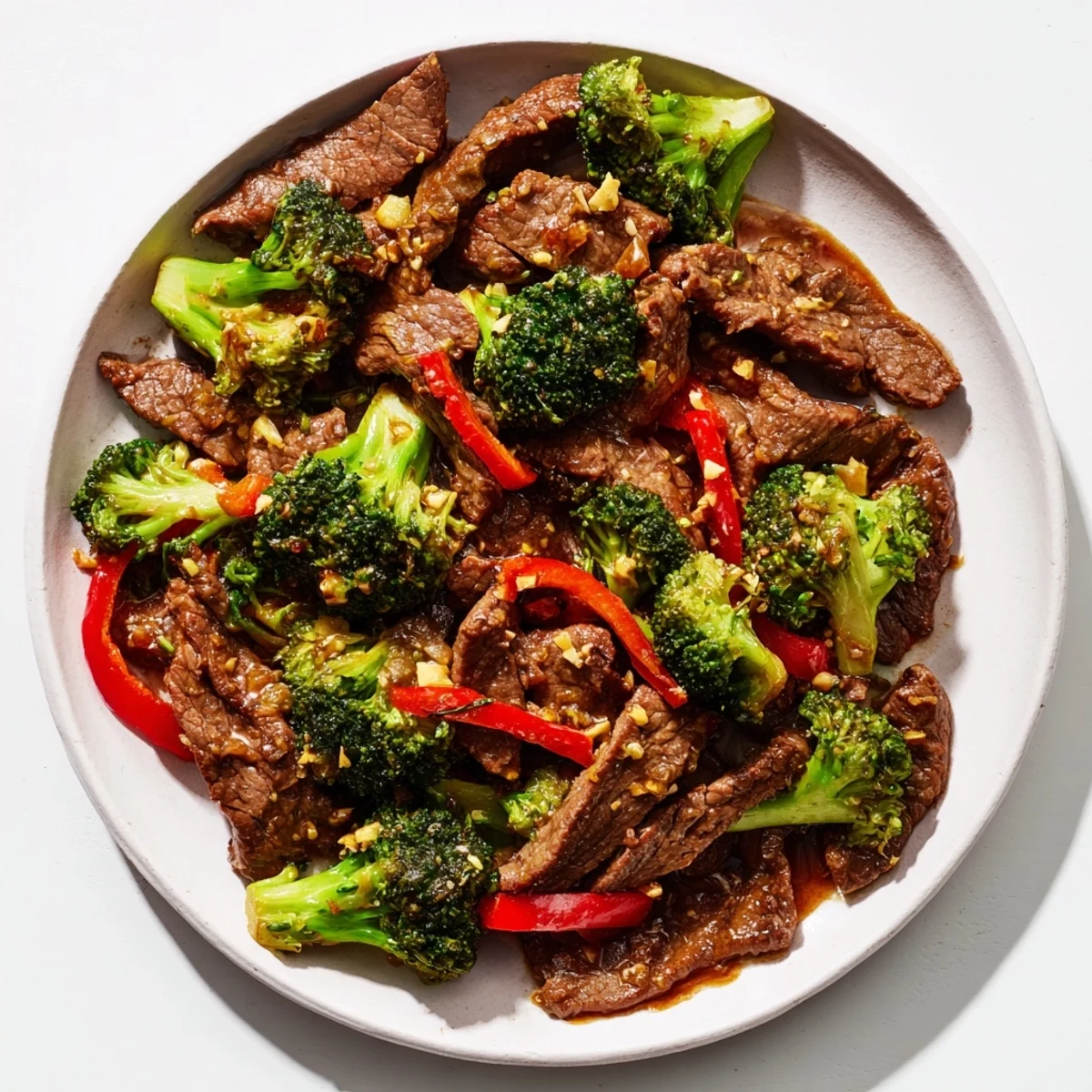
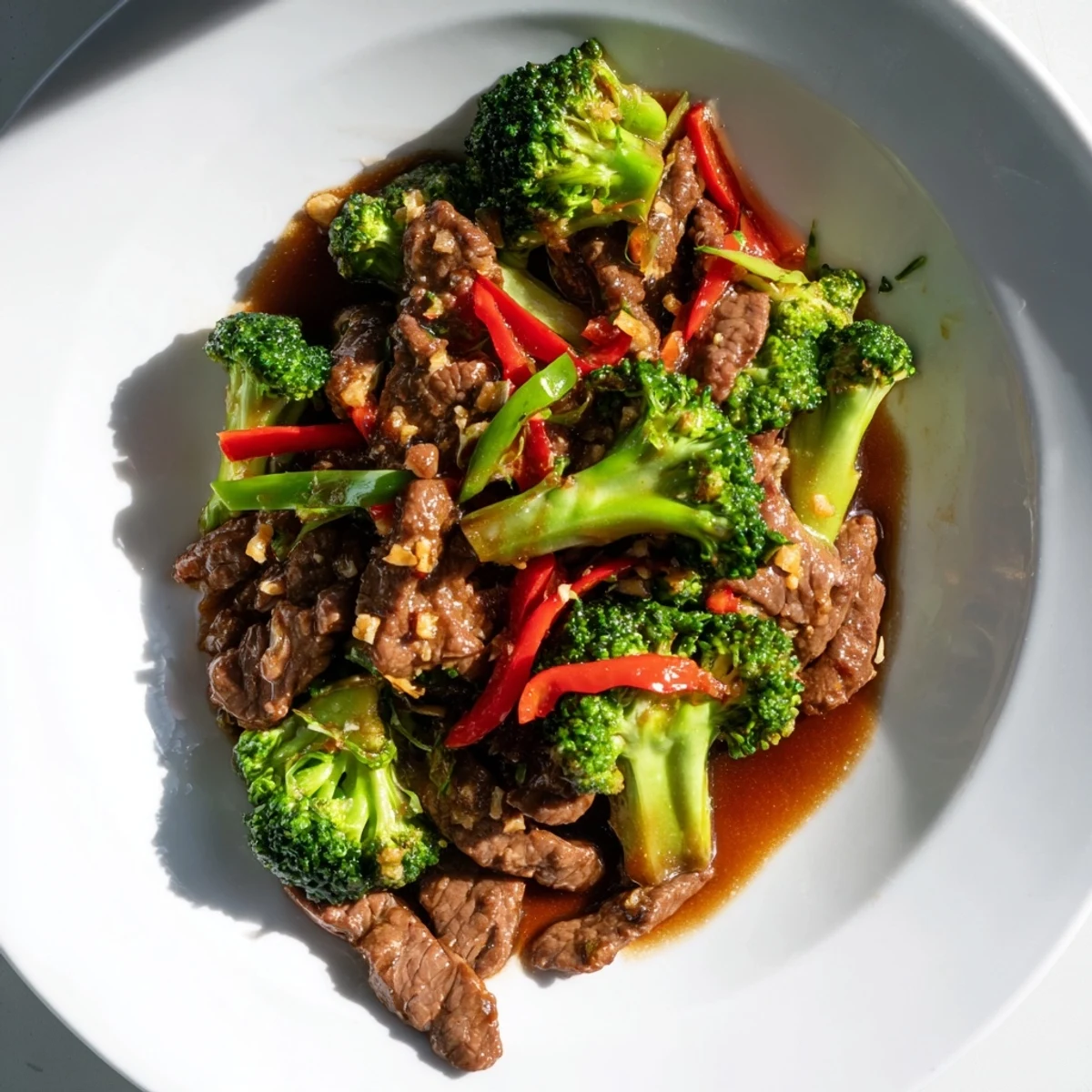
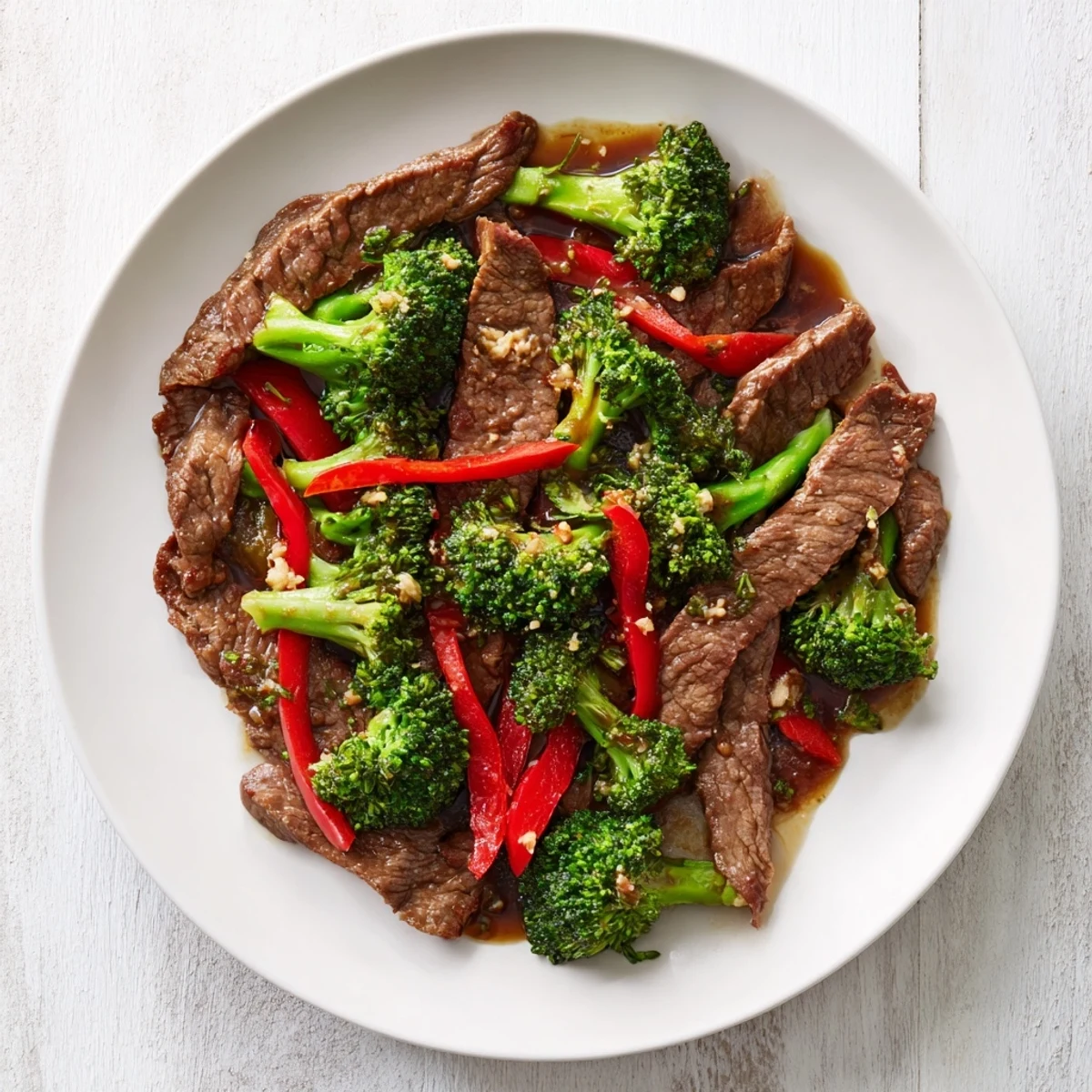
Save This dish highlights tender slices of beef paired with bright green broccoli florets, stir-fried with garlic, ginger, and a rich, savory sauce. The beef is marinated briefly to enhance flavor and cooked quickly to retain juiciness. Blanching the broccoli ensures a crisp texture, balanced by the sauce’s savory notes from soy, oyster, and hoisin sauces. Ideal for a busy night, this stir fry offers a harmonious blend of textures and Asian-inspired flavors served hot, perfect alongside steamed rice or noodles.
I still remember the first time I made beef stir fry at home, standing in my small kitchen with my wok perched precariously on the stove, watching the beef sear with that unmistakable sizzle. My neighbor had just returned from a trip to Bangkok and mentioned how much she missed the vibrant, quick meals she'd eaten there. That conversation sparked something, and I decided to recreate that magic—turns out, all you need is high heat, good timing, and a few honest ingredients to transport yourself to the streets of Southeast Asia.
I made this for my family one Thursday night after a long day at work, and my daughter asked for seconds before I'd even finished plating. That's when I knew it was a keeper—a recipe that transforms exhaustion into a moment of real connection around the dinner table, where everyone's too busy enjoying their meal to worry about the day.
Ingredients
- Flank steak or sirloin, thinly sliced against the grain (450 g / 1 lb): Slicing against the grain is the secret to tender beef in stir fry—it breaks the muscle fibers and makes every bite melt in your mouth. I learned this the hard way after serving chewy steak once.
- Soy sauce (2 tbsp for marinade, 3 tbsp for sauce): This is your savory backbone. Don't skip it, and if you're gluten-sensitive, tamari works beautifully.
- Oyster sauce (1 tbsp for marinade, 2 tbsp for sauce): This gives the dish its characteristic umami depth—it's worth hunting down in the Asian section of your grocery store.
- Cornstarch (1 tsp for marinade, 1 tbsp for sauce): Acts as a velveting agent for the beef and thickens the sauce. It's the unsung hero of great stir fry.
- Sesame oil (1 tsp): A little goes a long way—this fragrant oil adds a toasty finish that makes people wonder what your secret is.
- Broccoli florets (350 g / 12 oz): Blanching them first means they stay bright green and crisp, not rubbery. This step changed everything for me.
- Red bell pepper, sliced (1, optional): Adds color and sweetness, but truly optional if your market doesn't have good ones.
- Fresh garlic and ginger (2 cloves garlic, finely minced; 1-inch piece ginger, grated): These two aromatics are non-negotiable—they're what make your kitchen smell like a proper Asian restaurant.
- Hoisin sauce (1 tbsp): A touch of sweetness that balances the salty notes. Use a good quality brand if you can.
- Beef or chicken broth (120 ml / 1/2 cup): The liquid that becomes your silky sauce. I always use the good stuff, not the sodium bombs.
- Brown sugar (1 tsp) and black pepper (1/2 tsp): Simple seasoning that rounds out the flavor profile.
- Vegetable oil (2 tbsp, divided): High heat cooking demands an oil that won't smoke—peanut oil is my first choice, but vegetable works fine.
Instructions
- Marinate the beef with intention:
- Toss your beef slices with soy sauce, oyster sauce, cornstarch, and sesame oil in a bowl. Stir it together gently—you want every piece coated. Let it sit for 10 minutes while you prep everything else. This little pause is where the magic starts, tenderizing the meat and letting flavors begin their dance.
- Whisk your sauce into submission:
- In a separate bowl, combine soy sauce, oyster sauce, hoisin sauce, cornstarch, broth, brown sugar, and black pepper. Whisk until completely smooth—lumpy sauce is nobody's friend. This step takes 30 seconds but saves you from an awkward moment later when you realize there are cornstarch clumps in your finished dish.
- Blanch the broccoli for that perfect snap:
- Bring salted water to a boil and drop in the broccoli florets for 1–2 minutes. You're looking for that moment when they turn bright green and still have resistance when you bite them. Drain immediately and set on paper towels—this technique locks in color and texture.
- Sear the beef in high heat:
- Heat 1 tablespoon of oil in your wok or large skillet until it shimmers and almost smokes. Working in batches if needed, add the marinated beef and don't touch it for the first minute—let it develop a beautiful brown crust. Stir and cook for another 1–2 minutes until it's browned on the outside but still slightly pink inside (it will finish cooking later). Transfer to a plate.
- Build your flavor base:
- Add the remaining oil to the pan. Toss in your minced garlic, grated ginger, and sliced red pepper. Stir constantly for about 1 minute—you want the kitchen to smell absolutely incredible but nothing should brown. This is the moment when your house becomes a restaurant.
- Bring it all together with the sauce:
- Return the beef to the wok along with the blanched broccoli. Give your sauce a quick stir (the cornstarch settles), then pour it in. Cook, stirring constantly, for 2–3 minutes while everything mingles and the sauce thickens. You'll see it transform from liquid to glossy and coating—that's your signal you're almost done.
- Serve while everything is still hot:
- Transfer to a platter and eat immediately over steamed jasmine rice or noodles. The longer it sits, the less vibrant it becomes, so timing matters here.
 Save
Save Years later, I made this same stir fry for my daughter's partner on their first family dinner, and they came back to our kitchen asking for the recipe. Now they make it for their friends, and somehow that simple Thursday night dish became the thing that connects us across distance and time.
The Art of the Wok
A wok isn't just a pan—it's a tool that fundamentally changes how you cook. The curved shape concentrates heat at the bottom while the sloped sides let you keep food moving constantly. If you don't have a wok, a large skillet works, but once you experience the difference, you'll understand why so many home cooks become wok devotees. The high heat and continuous motion mean everything cooks quickly and evenly, preserving texture and color in a way that flat-bottomed pans struggle to achieve.
Variations That Work Just as Well
This recipe is forgiving and adaptable. Swap the beef for chicken breast cut into bite-sized pieces, or go vegetarian with extra vegetables and tofu. You can add snap peas, sliced carrots, or water chestnuts for different textures and flavors. Some nights I toss in cashews at the end for crunch, or swap the broccoli entirely for bok choy. The sauce is what makes it special, so once you nail that, the vegetables and protein become a canvas for your creativity.
Serving and Storage Secrets
This dish is best eaten immediately, while everything is still hot and the broccoli maintains its crispness. If you have leftovers, store them in an airtight container for up to three days, though I've found the texture isn't quite the same when reheated. That said, cold leftover stir fry makes an excellent lunch the next day, especially over rice or noodles with a splash of soy sauce.
- Serve over jasmine rice or with noodles to soak up every drop of that glossy sauce.
- If you're cooking for guests, have the rice ready and waiting—timing the stir fry to finish right when rice is done takes practice.
- Tamari makes this completely gluten-free when you use gluten-free soy sauce and oyster sauce, making it inclusive for friends with dietary restrictions.
 Save
Save Every time I make this, I'm reminded that the best meals aren't the ones that take hours—they're the ones made with presence and care, shared with people who matter. This stir fry does exactly that.
Questions & Answers
- → How do I keep the beef tender during cooking?
-
Slice the beef thinly against the grain and marinate it briefly with soy sauce, oyster sauce, and sesame oil. Cook quickly on high heat to avoid overcooking.
- → What’s the best way to keep broccoli crisp?
-
Blanch broccoli florets in boiling salted water for 1–2 minutes until bright green and slightly tender, then drain thoroughly before stir frying.
- → Can I substitute any ingredients for dietary needs?
-
Use tamari instead of soy sauce for a gluten-free option, and verify all sauces meet your dietary restrictions. Vegetables like snap peas can be added for extra crunch.
- → What tools are recommended for cooking this dish?
-
A large wok or skillet is ideal for quick, high-heat cooking along with mixing bowls, a whisk, and a cutting board for ingredient prep.
- → How do I achieve a thick, glossy sauce?
-
Combine cornstarch with the sauce mixture before adding to the stir fry, then cook for a few minutes while stirring to let the sauce thicken evenly.