
 Save
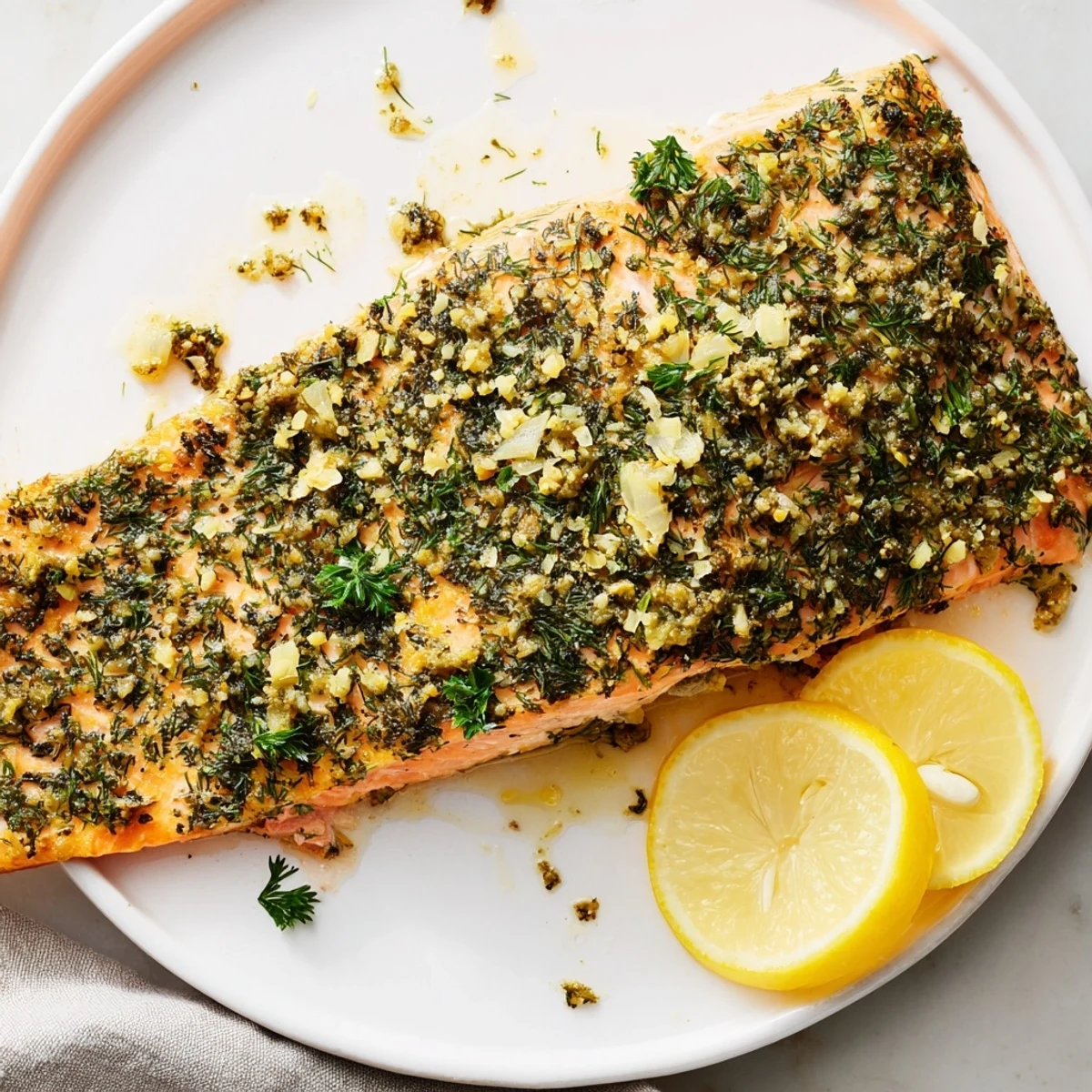
Save This dish features tender salmon fillets brushed with a vibrant blend of olive oil, lemon juice, zest, garlic, dill, and parsley. Baked at 200°C until flaky and moist, it delivers bright, fresh flavors balanced by aromatic herbs. Resting briefly after baking enhances juiciness. Ideal served with lemon wedges and optional extra herbs, it's a wholesome, gluten-free option suitable for pescatarian diets.
There's something about the smell of lemon and dill hitting hot salmon that just stops you mid-breath. I learned to make this dish on a random Tuesday when my neighbor knocked on the door with a bag of salmon from the farmers market, insisting I had to try his preferred way of cooking it. Twenty minutes later, we were splitting fillets at the kitchen counter, and I realized how foolish I'd been to overthink fish before—it's actually the most forgiving protein when you respect its simplicity.
I cooked this for my sister the first time she visited after moving away, and watching her close her eyes after that first bite told me everything. She asked for the recipe immediately, which felt like the highest compliment—better than any online rating could be.
Ingredients
- Salmon fillets: Four pieces about 6 ounces each, skin-on or off depending on your preference, though I've found skin-on holds together better during baking.
- Olive oil: Two tablespoons that will carry all those bright herb flavors into every flake of fish.
- Fresh lemon juice: Two tablespoons of brightness that cuts through the richness and keeps everything feeling light.
- Lemon zest: Two teaspoons that add punch without extra liquid, so your topping doesn't slide off.
- Garlic: Two minced cloves that won't overpower the delicate fish—this isn't a garlic showcase, just a whisper.
- Fresh dill: One tablespoon chopped, or one teaspoon dried if that's what you have on hand, and yes, there's a difference but both work.
- Fresh parsley: One tablespoon chopped to add color and a subtle green flavor that rounds everything out.
- Salt and black pepper: One teaspoon salt and half a teaspoon pepper—start here and taste as you go.
- Lemon wedges: For serving so each person can add extra brightness if they want it.
Instructions
- Get your oven ready:
- Preheat to 400°F and line a baking sheet with parchment paper or a light spray of oil. This step keeps the salmon from sticking and makes the whole cleanup disappear like magic.
- Prepare the salmon:
- Pat your fillets completely dry with paper towels and lay them skin-side down on the sheet. Moisture is the enemy of a good crust, so don't skip this small moment.
- Mix the herb topping:
- In a small bowl, whisk together the olive oil, lemon juice, lemon zest, garlic, dill, parsley, salt, and pepper until it looks like a loose paste. Taste it on your fingertip—you want the lemon to shine through without any single flavor shouting.
- Coat the salmon:
- Brush the mixture evenly over the top and sides of each fillet, making sure nothing gets missed. This is where the magic lives—an even coat means even cooking and flavor in every bite.
- Bake until perfect:
- Slide the pan into the oven for 15 to 18 minutes, checking around the 15-minute mark by pressing gently with a fork to see if it flakes easily. The center should look just opaque, not translucent, which means it's reached about 145°F inside.
- Rest and serve:
- Pull it out, let it sit for two minutes, then plate it alongside lemon wedges and maybe a sprinkle of extra herbs. Those two minutes let the proteins relax and the juices settle back in.
 Save
Save The first time someone told me I'd made their salmon better than the fancy restaurant version, I laughed out loud. The secret wasn't technique or expensive ingredients—it was just paying attention to the fish and trusting that good things don't need to be complicated.
Flavor Variations That Feel Natural
Dill and lemon are classic for a reason, but I've learned that swapping in tarragon brings a subtle anise note that works beautifully, or using basil and a touch more garlic if you're in a Mediterranean mood. The frame stays the same—acid, fat, herbs, salt—so you can play without fear of breaking anything.
Sides That Complete the Story
I usually roast vegetables in the same oven while the salmon cooks, maybe asparagus with a little olive oil and salt, or green beans if I'm feeling simpler. Sometimes I'll make a quick salad with whatever greens are in the fridge and a squeeze of lemon, and that becomes the whole meal—fresh, balanced, and done before you've finished pouring a drink.
Small Tricks That Make the Difference
There's something about laying thin lemon slices directly on the fillet before baking that keeps the top moist and adds one more layer of brightness. A pastry brush makes the topping distribution easier, but honestly, the back of a spoon works fine in a pinch.
- If you're cooking for someone watching their salt intake, reduce it to half a teaspoon and let the lemon juice do more of the seasoning work.
- Make the herb mixture a few minutes ahead so the flavors start melding together, but don't do it more than an hour ahead or the herbs will start to brown.
- Room temperature salmon cooks more evenly than cold salmon straight from the fridge, so take it out about five minutes before you brush it with herbs.
 Save
Save This dish taught me that the best meals are the ones that taste impressive but don't demand hours in the kitchen. Once you make it once, you'll find yourself reaching for it again and again.
Questions & Answers
- → How do you keep salmon moist when baking?
-
Brushing salmon with olive oil and adding lemon juice and herbs before baking helps retain moisture and infuses flavor.
- → What internal temperature is best for baked salmon?
-
Salmon is perfectly cooked when it reaches 63°C (145°F), ensuring it’s opaque and flakes easily.
- → Can skin-on salmon be baked directly?
-
Yes, baking skin-side down on a lined tray helps protect the flesh and adds flavor, plus makes peeling easier.
- → What herbs complement salmon well in this preparation?
-
Dill and parsley are traditional and fresh, but chives, tarragon, or basil can also enhance the flavor profile.
- → How long should salmon rest after baking?
-
Allow salmon to rest for about 2 minutes post-baking to let juices redistribute for better texture.