
 Save
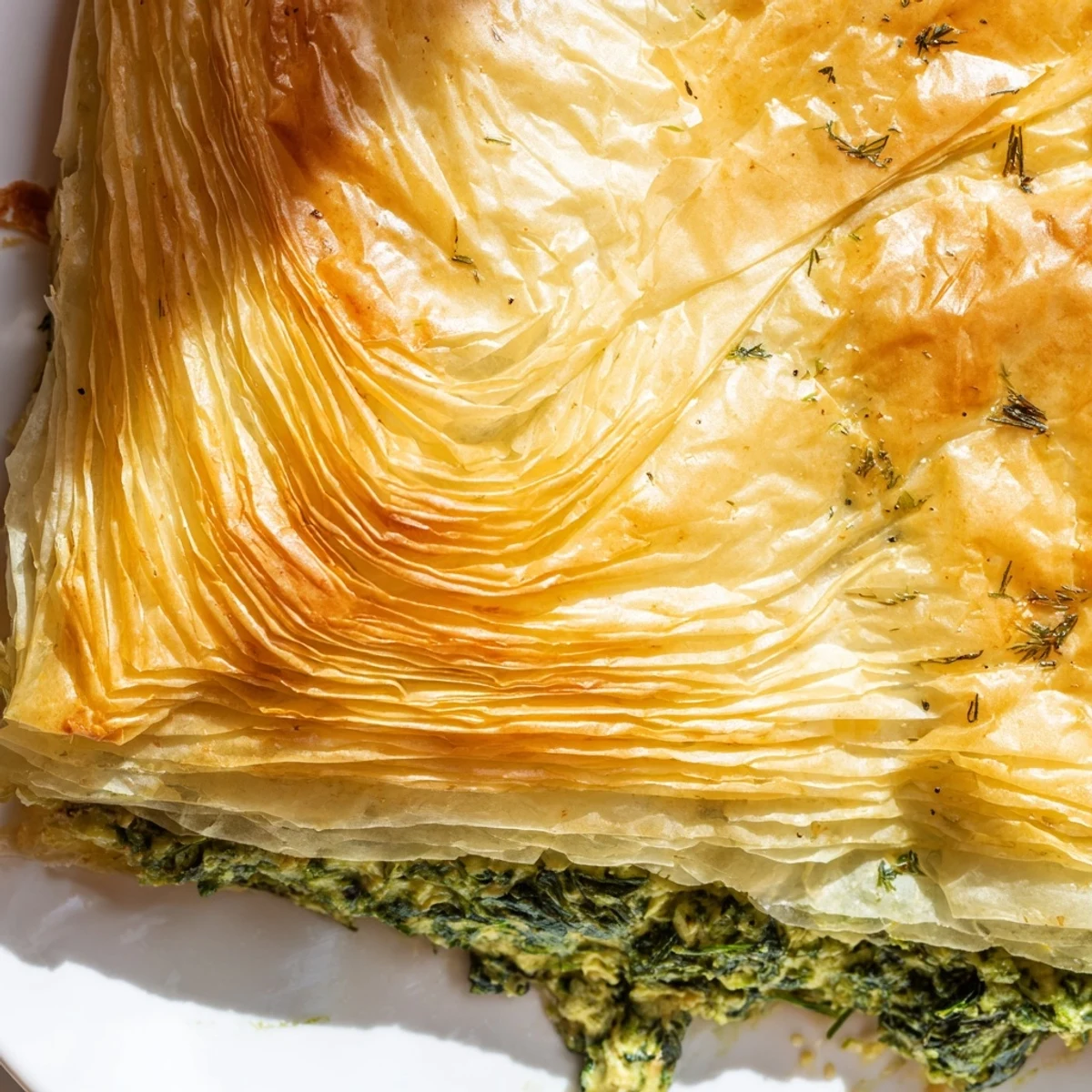
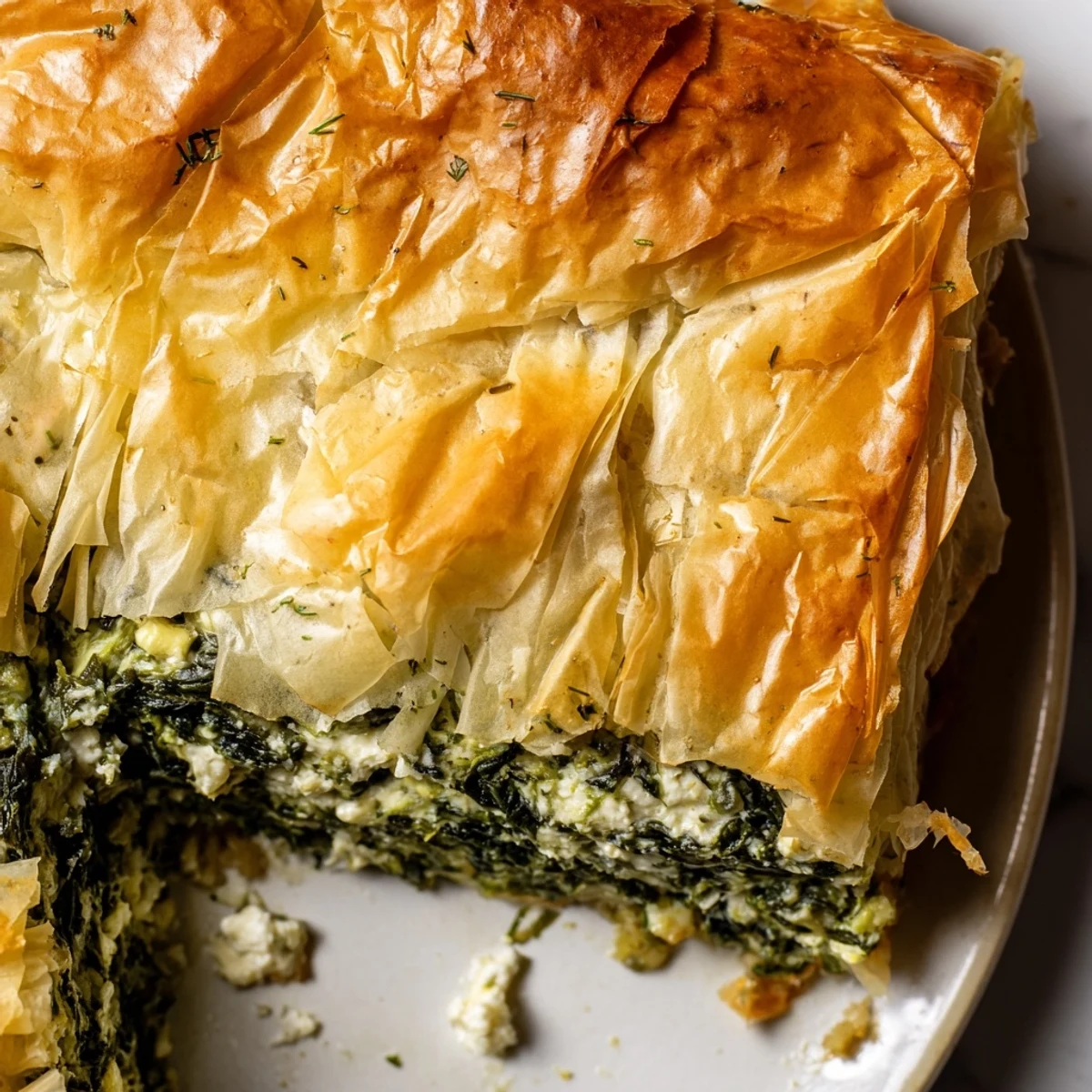
Save This traditional Greek savory pie combines delicate crispy phyllo pastry with a vibrant filling of fresh spinach, aromatic herbs, and tangy feta cheese. The layers are brushed with olive oil and butter, creating golden flaky textures that contrast beautifully with the creamy, seasoned interior. Perfect for gatherings, this versatile dish works wonderfully as an appetizer, side dish, or light vegetarian main course.
The sun was streaming through my kitchen window when I first attempted spanakopita, my grandmother's handwritten recipe card propped against the flour canister. I'd been craving that perfect combination of crisp, buttery phyllo and creamy, herb-flecked filling since my trip to Athens years before. My first attempt ended with shattering pastry and a filling that wouldn't hold together, but something about the process kept calling me back. Now, after countless Sunday mornings spent refining the technique, this version has become the one my family actually requests by name.
Last summer, I made this for my friend Maria's birthday, and her elderly aunt who'd grown up in Thessaloniki took one bite and immediately asked for the recipe. She said it reminded her of standing in her mother's kitchen, watching the phyllo sheets being brushed with olive oil while the filling cooled on the counter. There's something about the combination of dill and mint that transports people to a Greek island taverna, even if they've never been. Now it's the dish I bring to every potluck, and there's never a single slice left.
Ingredients
- Fresh spinach: I've learned the hard way that frozen spinach can work, but fresh gives you this delicate, almost sweet flavor that frozen just can't match
- Feta cheese: Don't skimp here—buy the good stuff packed in brine, not the crumbles in plastic tubs, and taste it first to adjust your salt accordingly
- Ricotta cheese: This little addition makes the filling impossibly creamy without overpowering the spinach, though anthotyro is traditional if you can find it
- Phyllo dough: Keep it covered with a damp towel while you work because dried-out phyllo will crack and drive you absolutely crazy
- Olive oil and butter: Using both gives you that perfect golden color and adds depth of flavor you just can't get from one alone
- Fresh herbs: The combination of dill, parsley, and mint is what makes this taste authentic, so please don't substitute dried herbs
Instructions
- Prep your canvas:
- Preheat your oven to 180°C (350°F) and lightly grease a rectangular baking dish—about 33x23 cm works perfectly
- Build the flavor base:
- Warm 2 tablespoons olive oil in a large skillet over medium heat and sauté your onions until soft and translucent, about 5 minutes
- Add the greens:
- Add the spring onions and cook for 2 more minutes, then toss in your spinach in batches if using fresh, cooking until wilted and all liquid has evaporated
- Infuse with herbs:
- Remove from heat and stir in the dill, parsley, and mint, letting everything cool slightly while you prep the filling
- Mix the creamy filling:
- In a large bowl, combine the feta, ricotta, beaten eggs, salt, pepper, and nutmeg, then add your cooled spinach mixture and mix everything until well incorporated
- Protect your phyllo:
- Cover your phyllo dough with a damp towel to prevent drying out—this step is crucial because dried phyllo becomes unworkable
- Layer the foundation:
- Place one sheet of phyllo in your baking dish, brush generously with olive oil and melted butter, and repeat with 6 to 8 more sheets, brushing each one
- Add the filling:
- Spread your spinach mixture evenly over the layered phyllo, taking care to distribute it right to the edges
- Top it off:
- Layer your remaining phyllo sheets on top, brushing each with oil and butter, then tuck in any overhanging edges and brush the top generously
- Score before baking:
- Use a sharp knife to score the top layers into squares or diamonds—this makes cutting later so much easier and gives you those beautiful defined pieces
- Bake to golden perfection:
- Bake for 45 to 50 minutes until deeply golden and crisp, then let it cool for 10 minutes before slicing—this waiting period is torture but essential for clean cuts
 Save
Save My youngest daughter, who swore she hated anything with 'leaves in it,' took one skeptical bite of this spanakopita and immediately asked for seconds. Now she requests it for her birthday dinner every year, and I've watched her gain confidence in the kitchen as she helps me layer the phyllo sheets, getting faster and more careful with each attempt. There's something deeply satisfying about mastering a recipe that seemed so intimidating at first.
Making It Your Own
I've experimented with adding a handful of chopped spinach or swapping some of the feta for a sharper cheese like kefalotyri when I want something more robust. The key is maintaining that balance between creamy and fresh, so any additions should complement rather than compete with the herbs.
Timing Is Everything
The difference between good spanakopita and great spanakopita often comes down to patience—letting the filling cool completely before assembling, waiting those ten minutes after baking before cutting, and not rushing the phyllo layering process. I've learned the hard way that cutting too soon results in filling oozing everywhere instead of staying neatly in each slice.
Serving Suggestions
This pairs beautifully with a crisp Greek salad and some tzatziki on the side, and I always serve it with a chilled white wine like Assyrtiko if I can find it. The spanakopita can be the star of a light lunch or work perfectly as part of a larger mezze spread.
- Warm it slightly before serving leftovers to restore that crisp texture
- Cut smaller pieces if serving as an appetizer versus larger squares for a main
- Consider making two smaller pies instead of one large one if you're feeding a crowd
 Save
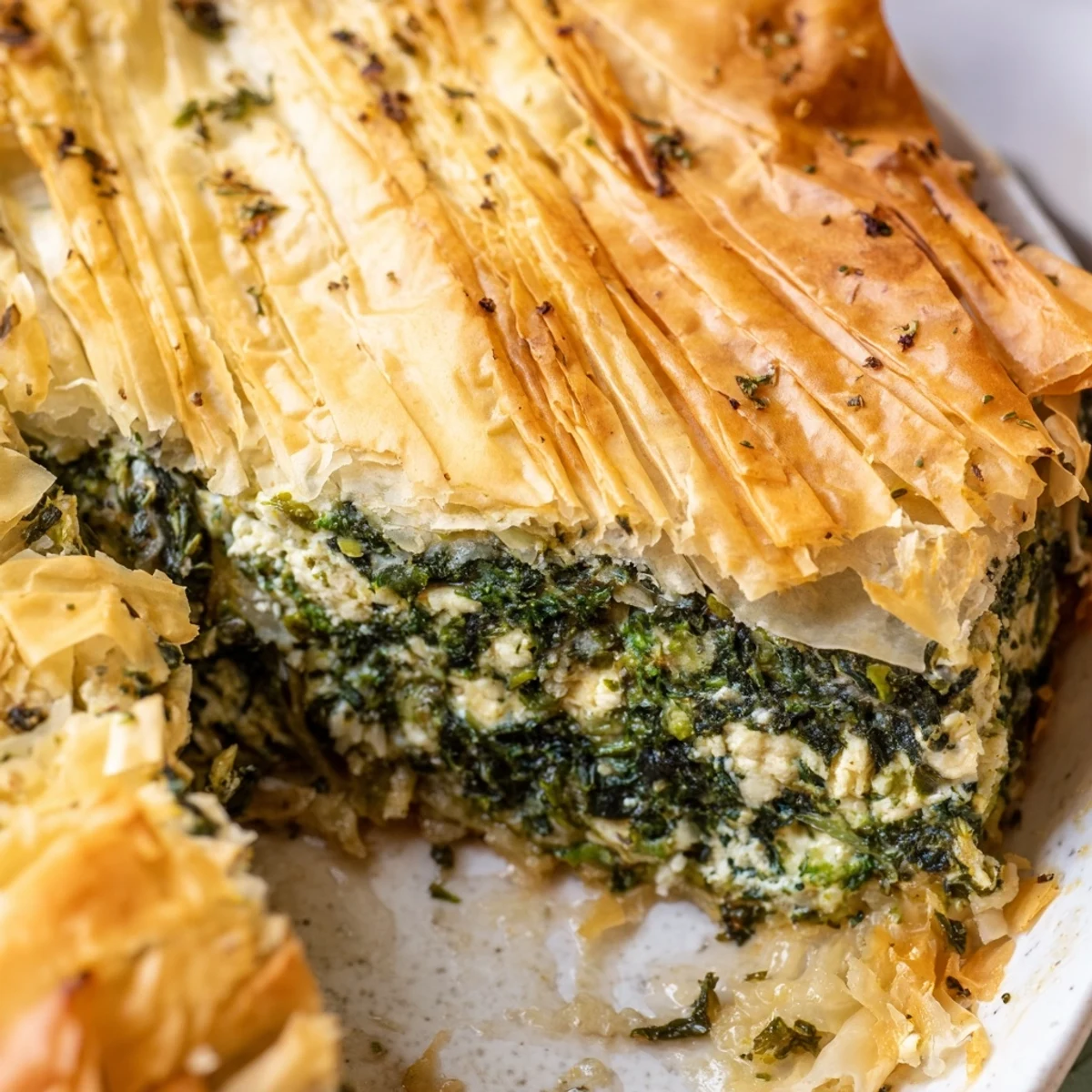
Save There's nothing quite like the sound of that first crisp bite breaking through golden phyllo, followed by the warm, herb-scented filling. This spanakopita has become my go-to for bringing people together around the table.
Questions & Answers
- → Can I make spanakopita ahead of time?
-
Yes, prepare the filling up to 24 hours in advance and refrigerate. You can also assemble the entire dish, cover tightly, and refrigerate for several hours before baking. For best results, bake fresh rather than freezing.
- → How do I prevent soggy phyllo?
-
Ensure your spinach is thoroughly cooked and all liquid has evaporated before mixing with cheeses. Keep unused phyllo covered with a damp towel while working. Brush each layer generously but not excessively with oil and butter mixture.
- → What can I substitute for ricotta?
-
Greek anthotyro is traditional, but you can use cottage cheese blended until smooth, cream cheese softened, or additional feta for a stronger flavor. For dairy-free options, try tofu blended with lemon juice and nutritional yeast.
- → Should I score before or after baking?
-
Score the top phyllo layers with a sharp knife before baking. This makes cutting easier after baking and helps portions hold their shape. Cut through the top layers only, not all the way through to the bottom.
- → How do I store leftovers?
-
Refrigerate in an airtight container for up to 3 days. To reheat, place in a 180°C (350°F) oven for 10-15 minutes until crisped and warmed through. Avoid microwaving as phyllo will become soggy.
- → Can I use frozen spinach instead of fresh?
-
Absolutely. Use 600 g frozen spinach, thaw completely, then squeeze out all excess moisture using your hands or a clean towel. This step is crucial—frozen spinach contains more water than fresh, and removing it prevents a soggy filling.